
Politics
Syria exports 1st crude oil shipment since 2011

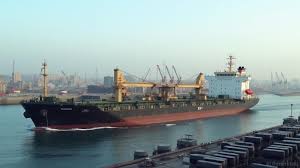
Syria has exported 600,000 barrels of oil from its Tartous port, local media reported, the first oil shipment to leave the war-torn country since 2011.
The Syrian Oil Transport Company said that the Greek-flagged Nissos Christiana tanker was loaded on Monday.
The company’s General Manager, Maan Basha, on Tuesday, said he hoped Syria would be able to resume exports without problems.
According to Basha, the main obstacle facing oil companies is the infrastructure left behind by the former regime.
Before the 2011 protests against the long-term rule of dictator Bashar al-Assad, Syria produced around 380,000 barrels of oil per day (bpd) and exported around 110,000 bpd.
Syria was not a major producer of oil but nearly all exports went to EU countries, but they were halted due to sanctions imposed in 2011 on the country.
The sanctions were in response to the brutal crackdown on the pro-democracy protests and the ensuing civil war.
Al-Assad was ousted by an Islamist-led rebel alliance in December and fled to Moscow.
Since then, Syria’s new administration, led by interim President Ahmed al-Sharaa, has sought to garner world recognition and economic support to rebuild the country devastated by more than a decade of civil war.
The European Union and the United States have since begun to lift economic sanctions to support Syria’s recovery. (dpa/NAN)


-
 Latest5 days ago
Israel marks 3 years since October 7 Hamas attack amid Gaza strikes, election debate
-

 Energy5 days ago
Fuel Battle: Dangote, marketers and government clash over petrol imports
-
 Energy6 days ago
Petrol, diesel prices rise 86% in 2026 as costs hit fresh highs
-
 Energy7 days ago
Has Iran lost control of the Strait of Hormuz? Oil flows rebound as war disruptions persist
-

 Football6 days ago
Nigeria’s World Cup exit under spotlight as FIFA’s DR Congo files emerge
-
 Latest6 days ago
US Court set to rule on release of FBI, DEA records on Tinubu
-
 Business6 days ago
Nigerian investors at a crossroads as fixed-income yields slide
-

 Business7 days ago
LoveWorld Trade and Investment Forum to Convene Business Leaders in Accra