
News
Trump pledges to lift SALT cap, boosting Tax Savings for New Yorkers
In a recent rally, Trump vowed to restore the state and local tax deduction, potentially saving homeowners in high-cost states thousands of dollars. This move targets voters feeling the pinch from the current $10,000 cap imposed in 2017, aiming to reshape the financial landscape ahead of the elections.

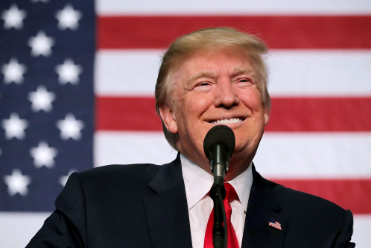
Donald Trump recently announced his intention to lift the cap on the state and local tax (SALT) deduction, a move that could have significant financial implications for homeowners in high-cost states such as New York, Pennsylvania, and New Jersey.
During a rally, he stated, “I will cut taxes for families, small businesses, and workers, including restoring the SALT deduction, saving thousands of dollars for residents of New York, Pennsylvania, New Jersey, and other high-cost states.”
The SALT deduction allows taxpayers to deduct state and local taxes from their federal taxable income, which can substantially lower their overall tax burden.
However, in 2017, the Tax Cuts and Jobs Act imposed a cap of $10,000 on this deduction.
This change disproportionately impacted residents of states with high property taxes and income taxes, particularly in urban areas where the cost of living is elevated.
For many New Yorkers and residents of similar states, the $10,000 cap has been a financial strain, effectively increasing their federal tax liability.
By pledging to restore the SALT deduction, Trump aims to alleviate this burden and appeal to voters who have felt the pinch of higher taxes due to the cap.
Trump highlighted that this change could lead to substantial savings, potentially amounting to thousands of dollars for many households.
High-tax states often lean Democratic, and by addressing a financial concern that resonates with many constituents.
ALSO READ : Donald Trump: A Controversial figure in American Valor
If implemented, restoring the SALT deduction could reshape the financial landscape for homeowners in these states, providing them with relief and potentially influencing their voting behavior in upcoming elections.
However, the feasibility of such a change remains certain, and it will depend on legislative support and the broader economic context.
Overall, Trump’s commitment to restoring the SALT deduction reflects a broader strategy to connect with voters on issues that directly impact their wallets, especially in regions where the cost of living remains a significant concern.













-
 Latest5 days ago
Israel marks 3 years since October 7 Hamas attack amid Gaza strikes, election debate
-

 Energy5 days ago
Fuel Battle: Dangote, marketers and government clash over petrol imports
-

 Energy6 days ago
Petrol, diesel prices rise 86% in 2026 as costs hit fresh highs
-

 Energy7 days ago
Has Iran lost control of the Strait of Hormuz? Oil flows rebound as war disruptions persist
-

 Football6 days ago
Nigeria’s World Cup exit under spotlight as FIFA’s DR Congo files emerge
-

 Latest6 days ago
US Court set to rule on release of FBI, DEA records on Tinubu
-

 Business6 days ago
Nigerian investors at a crossroads as fixed-income yields slide
-

 Business7 days ago
LoveWorld Trade and Investment Forum to Convene Business Leaders in Accra