
Entertainment
Tyla’s planned Nigeria concert sparks boycott campaign as xenophobia debate resurfaces

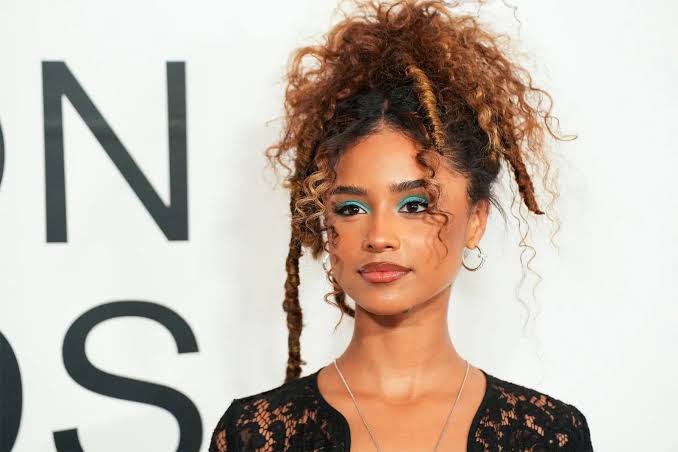
South African Grammy-winning singer Tyla is facing mounting controversy ahead of her scheduled performance in Nigeria after Nigerian writer and social commentator Solomon Buchi called for a boycott of the concert, accusing the singer of remaining silent during previous xenophobic attacks against Nigerians in South Africa.
The campaign has reignited a long-running debate over whether public figures have a responsibility to speak out during humanitarian and social crises, with opinions sharply divided among Nigerians, activists and entertainment followers.
While Buchi argues that Tyla’s silence amounts to a failure of solidarity, others, including activist Omoyele Sowore, contend that the artist should not be held responsible for the actions of her country’s government or citizens.
Boycott Call Revives Old Wounds
The renewed controversy comes against the backdrop of repeated xenophobic attacks in South Africa over the past decade, during which Nigerians and other African migrants were targeted in violent incidents that strained diplomatic relations between both countries.
Although many South African celebrities issued appeals for peace during previous outbreaks of violence, critics say several influential entertainers remained largely silent, a position that continues to attract scrutiny whenever they seek engagements in Nigeria.
Buchi argues that Tyla belongs to that category.
In a statement shared on social media, he called on Nigerians to reject her planned December concert, insisting that the issue extends beyond entertainment.
READ ALSO; FG demands Justice for Nigerians killed in South Africa, urges crackdown on xenophobic attacks
“Tyla is scheduled to perform in Nigeria this December, and that show must not take place. She didn’t say a word during the xenophobic attacks we witnessed in South Africa and how Nigerians were treated,” he wrote.
“A Matter of National Solidarity”
Buchi maintained that his position was not a personal attack on the singer but rather an appeal for collective action in defence of Nigerians who suffered during the attacks.
According to him, allowing the concert to proceed without addressing the issue would diminish the experiences of victims of xenophobic violence.
“It’s not about Tyla. I have no beef with her, but it’s about coming together as a people and saying, no, we have a voice and that voice matters,” he stated
He further urged Nigerians to support local musicians instead of attending the concert, suggesting that fans who wish to watch Tyla perform could do so in South Africa.
He also encouraged peaceful protests at the event should it eventually go ahead.
Divided Public Opinion
The boycott campaign has generated mixed reactions across social media, exposing deep divisions over the expectations placed on entertainers during politically sensitive moments.
Supporters of Buchi’s position argue that celebrities with global influence should publicly condemn violence and discrimination, especially when fellow Africans become victims.
Others, however, insist that musicians should not be compelled to comment on every political or social crisis, particularly when doing so could expose them to domestic political backlash.
Some commentators have also questioned whether silence alone should justify calls to cancel a performance, arguing that artists are primarily cultural figures rather than political representatives.
Activists Reject Collective Blame
Among those opposing the boycott is activist Omoyele Sowore, who has argued that Tyla should not be blamed for xenophobic attacks carried out by individuals in South Africa.
Supporters of that position contend that assigning collective responsibility to entertainers risks politicising cultural exchanges and undermining efforts to strengthen people-to-people relations between Nigeria and South Africa.
Analysts note that similar debates have surfaced in the past whenever South African artists sought to perform in Nigeria following periods of diplomatic tension.
The controversy has once again highlighted the enduring sensitivity surrounding xenophobic attacks against Nigerians in South Africa, an issue that continues to influence public sentiment years after the incidents.
Beyond the fate of Tyla’s concert, the debate raises broader questions about celebrity activism, public accountability and whether silence during moments of crisis should carry professional consequences.
With the concert still months away, attention is expected to focus on whether organisers, the singer or advocacy groups respond to the growing campaign, and whether the controversy will affect attendance or prompt further public engagement on the issue.


-
 Latest1 week ago
Global excitement builds as Healing Streams Live Services returns October 23
-
 Featured7 days ago
Inside INEC’s race to prepare for Nigeria’s 2027 elections
-
 Business1 week ago
President Tinubu and the Low Transport Fares Fiasco
-
 Featured7 days ago
2027: APC unveils nationwide campaign timetable, Tinubu to rally in 12 states
-
 Business4 days ago
Naira faces exchange rate gap as Dollar hits N1,380 on parallel market
-
 Business7 days ago
Court dismisses ₦170m Trade Fair contract claim, says Zenith Bank was not a party
-

 Latest7 days ago
Breaking: NNPCL raises petrol price to ₦1,405 per litre amid discount controversy
-

 Business1 week ago
Rite Foods targets beverage market growth with LIDA Malt