
Latest
U.N. to give $300 million cash handouts to families with children, aged in Afghanistan

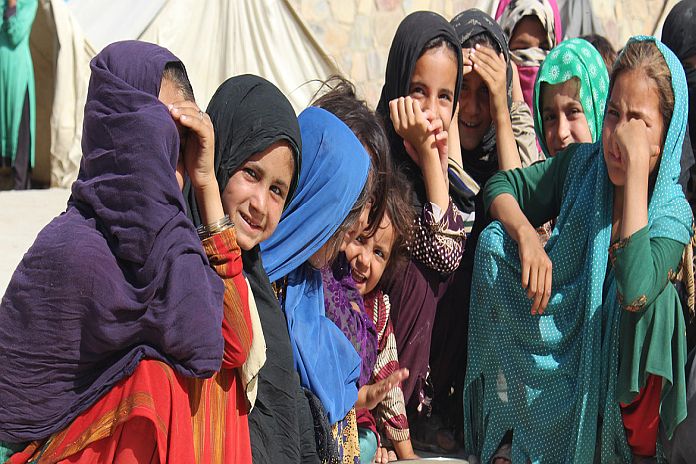
The United Nations has said it will implement a program to pay $300 million a year in cash to Afghan families with children, elderly or people with disabilities in Afghanistan, calling it the best way to target increasing poverty.
Speaking on Wednesday, December 1, the U.N. Development Programme (UNDP) Regional Director for Asia and the Pacific, Kanni Wignaraja described an “alarming” socio-economic outlook for Afghanistan for the next 13 months, saying the agency will also push for a $100 million “cash for work” project to boost employment and $90 million in small business payments.
“This will be probably the best shot at halting this massive collapse into near universal poverty,” UNDP’s Kanni Wignaraja, told Reuters.
U.N. to give $300 million a year cash handouts to families with children and aged to avert mass poverty in Afghanistan.
The U.N. World Food Programme has said 22.8 million people are facing acute food insecurity as Afghanistan struggles with a sharp drop in international development aid after the Taliban seized power in mid-August.
The economy and banking system in Afghanistan is on the brink of collapse, coupled with the COVID-19 pandemic and severe drought.
All this factors have made UNDP to project that poverty may affect more than 90 percent of the country’s 39 million people by mid 2022 .
UNDP set up a special trust fund in October, with a 50 million euros ($58 million) pledge from Germany, to provide urgently needed cash directly to Afghans. So far, the fund has received pledges for $170 million.
The UNDP report makes the case for boosting a cash payment program, known as ABADEI, which was launched in October. Since then UNDP said it has made $100,000 in “cash for work” payments, creating jobs for 2,300 people in Mazar, Kunduz and Herat, and is being expanded to other provinces.
The report also warned that Afghanistan’s economic growth will not turn positive in the near term unless restrictions on women working are lifted, $250 million a year in aid to combat COVID-19 continues and sanctions are eased to allow for humanitarian assistance.
It estimates that restricting female employment could cause an immediate economic loss of between $600 million and $1 billion – 3 to 5 percent of gross domestic product.











-

 Latest7 days ago
US Immigration fees rise from October 16 as USCIS announces new charges
-
 Latest2 days ago
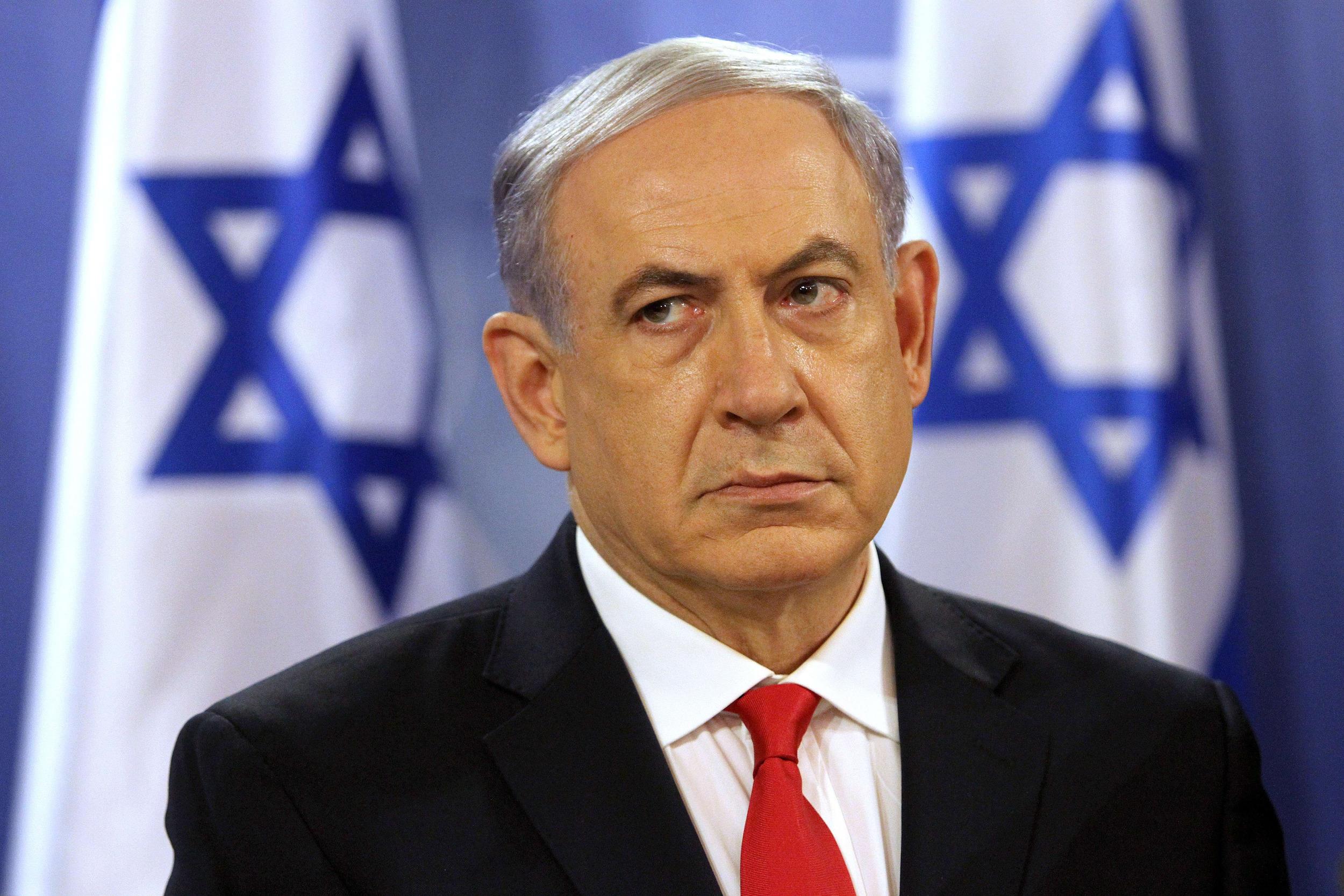
Israel marks 3 years since October 7 Hamas attack amid Gaza strikes, election debate
-

 Business6 days ago
Nigeria’s $55bn reserves raise fresh questions over naira value
-

 Health6 days ago
Florida sues Pfizer over deceptive COVID-19 vaccine marketing
-

 Business1 week ago
Tuoyo Erikowa wins digital marketing personality of the Year at 2026 EDGE awards
-

 Crime6 days ago
From camp to captivity: How kidnappers now target NYSC Corps members on highways
-

 Featured6 days ago
2027: Can Nigeria’s opposition still unite behind a single presidential candidate?
-

 Crime6 days ago
Fulani Militia leader linked to Christian killings arrested in Plateau