
Latest
UK nurse denied COVID-19 vaccine compensation over disability threshold

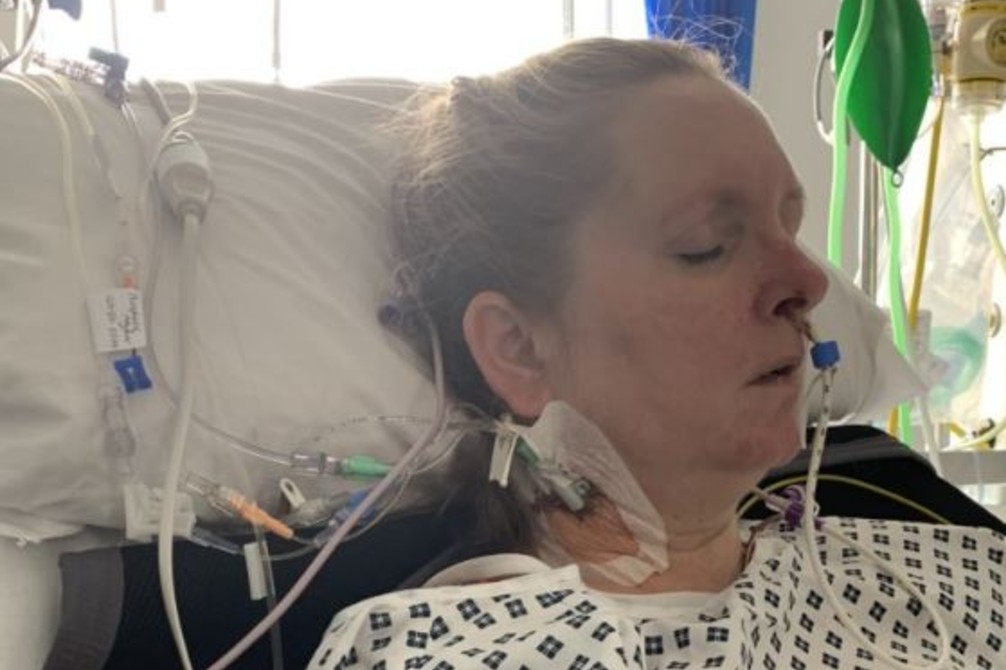
A British nurse who developed a permanent spinal cord condition after receiving the AstraZeneca COVID-19 vaccine has been denied compensation under the United Kingdom’s Vaccine Damage Payment Scheme (VDPS) because her current level of disability reportedly falls below the programme’s eligibility threshold.
Marie-Claire Hoyle, 44, a mother of three, developed transverse myelitis, a rare neurological condition involving inflammation of the spinal cord, after volunteering for AstraZeneca’s UK COVID-19 vaccine clinical trial in 2020.
According to The Telegraph, which first reported the case, Hoyle developed severe symptoms about two weeks after receiving her second dose, including intense pain, weakness and difficulty using her limbs.
Transverse myelitis can disrupt the transmission of nerve signals between the brain and the body, potentially resulting in lasting neurological complications.
Hoyle, who worked at the Royal Liverpool University Hospital at the time, said her symptoms began with pain in her neck and spine before spreading to her shoulders and hands.
“Exactly 14 days after my second dose, I remember being on shift and I felt a pain going into my neck [and] into my spine,” she told The Telegraph.
“It started spreading into my shoulders, and within an hour or so it was radiating down into my hands. I couldn’t use my fingers properly and I was just in extreme agony. I couldn’t hold a pen.”
An MRI scan conducted two days later confirmed the diagnosis, according to the report.
Hoyle said medical teams that independently reviewed her case concluded that the condition was caused by the vaccine and that there was no alternative explanation.
She subsequently applied for compensation under the VDPS, a government programme that provides a one-off payment of £120,000 to eligible individuals who can establish that vaccination caused their injury and that the resulting disability meets the scheme’s 60 per cent threshold.
READ ALSO; ‘Risks outweigh benefits’: Scientist renews attack on HPV vaccine
However, her application was rejected because her current condition reportedly no longer met the required disability threshold, despite the acknowledgement that the vaccine had caused her transverse myelitis.
Hoyle said a more recent MRI scan showed that the damage to her spinal cord would never fully heal. Although she has partially recovered and now works as a network manager for high-consequence infectious diseases at NHS England, she continues to experience nerve pain, weakness and sensory problems.
The nurse said she initially qualified for the disability threshold when her injuries were more severe but was subsequently denied payment as her condition improved.
The case has renewed calls for changes to the UK’s vaccine injury compensation system, with advocates arguing that the programme should take account of lasting health complications rather than rely on a rigid disability cut-off.
Caroline Pover, chair of trustees of UKCVFamily, a registered charity supporting people affected by COVID-19 vaccine injuries and bereavement, said the rejection reflected concerns she had repeatedly encountered among those seeking assistance.
Pover said the charity supports about 3,000 people who have been injured or bereaved following COVID-19 vaccination.
She also criticised the handling of vaccine trial participants’ injuries, arguing that once a vaccine-related injury had been confirmed, other participants worldwide should have been informed and assessed for similar symptoms before trials continued.
Hoyle’s injury reportedly prompted a temporary global pause in AstraZeneca’s clinical trials while the circumstances and severity of her symptoms were assessed. The trials subsequently resumed as she began recovering from the most severe effects of the condition.
The controversy has also drawn comparisons with the case of Brianne Dressen, a participant in AstraZeneca’s US clinical trial who developed post-vaccination neuropathy in 2021 and has been unable to work because of her injuries.
Dressen sued AstraZeneca, alleging breach of contract. The case remains pending, according to the report.
Pover, who wrote a book about Dressen’s experience, said AstraZeneca had attributed Dressen’s condition to unknown underlying health issues rather than a direct consequence of vaccination.
Meanwhile, Dr Clare Craig, a diagnostic pathologist and co-chair of the Health Advisory and Recovery Team, called for a fundamental overhaul of the VDPS.
Craig argued that the scheme, which was intended to provide financial assistance to people pursuing claims for fuller compensation, had become ineffective.
She said the contractor responsible for assessing claims had received approximately £48 million, while about 250 claimants had received payments totalling roughly £30 million.
Craig also criticised the length of time required to determine claims, noting that decisions often take several years, during which applicants may experience some recovery from their injuries.
The Telegraph reported that although Hoyle was denied compensation under the government scheme, she received a high five-figure sum in an out-of-court settlement from Oxford University, which co-developed the vaccine with AstraZeneca.
Pover described the settlement as unusual, claiming that the VDPS rejects 98 per cent of applicants and expressing hope that further details of the agreement would eventually become public.
Hoyle has since become an advocate for reform, calling for a system that considers the continuing effects of injuries and provides compensation on a sliding scale rather than imposing a rigid eligibility threshold.
“It should be more modern in terms of what’s justifiable to the person and what they have now. And it should be a scaleable payment, as opposed to a cut-off,” she said.
Calls for reform have also come from Heather Hallett, who led the UK COVID-19 Inquiry. She proposed reducing the scheme’s lump-sum payment while widening its eligibility criteria to allow more people affected by vaccine injuries to qualify.
Last week, the government accepted another of her proposals: linking hospital and general practitioner medical records to improve vaccine safety monitoring. No implementation timeline was announced.
The dispute over Hoyle’s claim has intensified debate over how governments should compensate people who experience serious adverse events following vaccination, while ensuring that eligibility decisions account for both the severity of initial injuries and their long-term consequences.


-
 Featured3 days ago
BREAKING NEWS: Shouts of joy rock the world as Pastor Chris opens final Healing Streams edition for 2026
-

 Football4 days ago
Man United shortlist Emery, Nagelsmann as potential replacements for Carrick
-

 Business4 days ago
Hoodlums raid JED Benue office, abduct 10 staff over power dispute
-

 Business7 days ago
Naira faces exchange rate gap as Dollar hits N1,380 on parallel market
-

 Football4 days ago
Aston Villa ready to freeze out Garnacho to avoid £43m Chelsea transfer
-

 Business4 days ago
EV adoption: Roxettes seeks cheaper financing, local manufacturing incentives
-

 Latest3 days ago
Akpabio tasks Tompolo-backed movement with spreading Tinubu’s renewed hope message
-

 Business3 days ago
How Ethiopian Airlines is challenging Africa’s aviation narrative through self-reliance