
Latest
‘Risks outweigh benefits’: Scientist renews attack on HPV vaccine

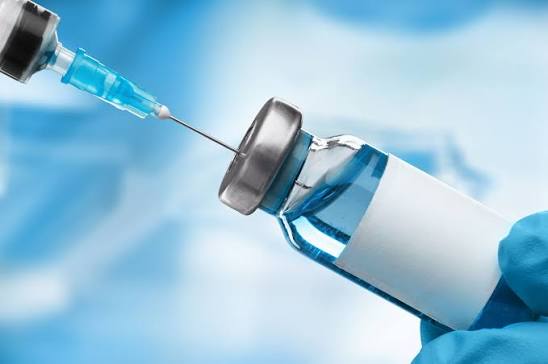
A fresh debate has emerged over the safety and effectiveness of Gardasil, a vaccine designed to protect against human papillomavirus (HPV), following renewed criticism from vaccine scientist Lucija Tomljenović.
Tomljenović questioned whether the vaccine offers sufficient benefits beyond routine cervical cancer screening and raised concerns about reported adverse events associated with its use.
She made the claims during an interview with Mary Holland, chief executive officer of Children’s Health Defense (CHD), on CHD.TV, arguing that screening programmes have played a significant role in reducing deaths from cervical cancer.
However, her assertions remain contested, as public health authorities continue to recommend HPV vaccination as an important tool for preventing HPV infections that can lead to cervical cancer and other diseases.
Tomljenović, who has served as an expert witness in litigation involving Gardasil, argued that the vaccine does not protect against every high-risk HPV type and cannot treat existing infections, precancerous lesions or established cancers.
She also questioned whether vaccination provides additional benefits for women who undergo regular cervical cancer screening.
Routine screening, including Pap tests and HPV testing, can identify cervical abnormalities and infections that may require monitoring or treatment before cancer develops.
However, screening and vaccination serve different purposes: screening detects existing disease or precancerous changes, while vaccination helps prevent infections from specific HPV types.
The scientist also raised concerns about reports linking Gardasil to conditions including postural orthostatic tachycardia syndrome (POTS), chronic fatigue syndrome, autoimmune disorders and menstrual abnormalities.
READ ALSO; Experts raise safety concerns over Moderna’s 410,000 elderly COVID-Flu vaccine trials
According to Tomljenović, her analysis of adverse-event reports during Gardasil litigation identified safety signals involving POTS and chronic fatigue syndrome, among other conditions.
She alleged that some data examined by pharmaceutical safety specialists indicated disproportionate reporting of certain medical conditions following vaccination.
Tomljenović further claimed that some of the findings had not received adequate public attention before litigation provided access to additional information.
Holland questioned whether vaccine manufacturers and public health agencies had sufficiently investigated such reports, drawing comparisons with broader debates about vaccine safety monitoring.
However, reports of adverse events following vaccination do not, by themselves, establish that a vaccine caused those conditions. Determining causation requires further investigation, including clinical assessments and comparisons of adverse-event rates among vaccinated and unvaccinated populations.
The interview also revisited legal claims involving Gardasil manufacturer Merck. The report said the company had agreed to pay $50 million to resolve more than 200 lawsuits alleging vaccine-related injuries.
Such settlements do not, on their own, establish that the allegations in the lawsuits are scientifically proven.
Despite the criticism, health authorities continue to support HPV vaccination because evidence shows that vaccines targeting cancer-causing HPV types can prevent persistent infections and precancerous cervical lesions. Population studies have also found reductions in cervical cancer among vaccinated groups, particularly those vaccinated at younger ages.
The World Health Organisation recommends HPV vaccination as part of comprehensive cervical cancer prevention strategies, alongside screening and treatment.
Gardasil does not protect against every cancer-causing HPV type, making appropriate screening important even for vaccinated women. Nevertheless, the vaccine and screening are generally regarded as complementary interventions rather than alternatives.
Tomljenović also criticised the United States government’s decision to retain HPV vaccination among its routine childhood and adolescent vaccine recommendations following a review of federal vaccination policy.
She argued that the potential risks deserved greater scrutiny and called for further examination of available safety data.
Meanwhile, Merck is developing an investigational HPV vaccine, identified in the report as V540B, intended to broaden protection against additional high-risk HPV types. The candidate remains subject to clinical development and regulatory review.
The debate highlights continuing disagreements over vaccine safety monitoring, the interpretation of adverse-event reports and the role of vaccination in cervical cancer prevention.
For public health experts, the central question remains how to maximise the benefits of HPV vaccination while maintaining transparent safety monitoring and ensuring that women have access to effective cervical cancer screening and follow-up care.


-

 Latest4 days ago
Full List: Meet the 2026 Nobel Prize winners across six categories
-
 Featured1 week ago
103 Million Voters: What does INEC’s new register say about Nigeria’s population?
-

 Football4 days ago
Premier League Matchweek 7: Five Fixtures That Could Shape the Weekend
-

 Latest3 days ago
Umahi defends Lagos-Calabar highway route changes amid public outcry
-

 Business3 days ago
Dangote Refinery IPO Extension: Was the 70% subscription report overhyped?
-
Business2 days ago
Dangote Refinery IPO: 70% Subscription claim meets fourfold demand assertion as investors seek clarity
-

 Featured3 days ago
El-Rufai, ADC governorship candidate’s court appearance puts Kaduna opposition politics in focus
-

 Latest4 days ago
Makinde’s Chief of Staff, Segun Ogunwuyi, resigns