
Energy
Uncertainties over Nigeria’s declining oil reserves

By Odunewu Segun
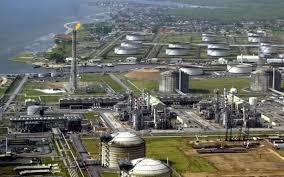
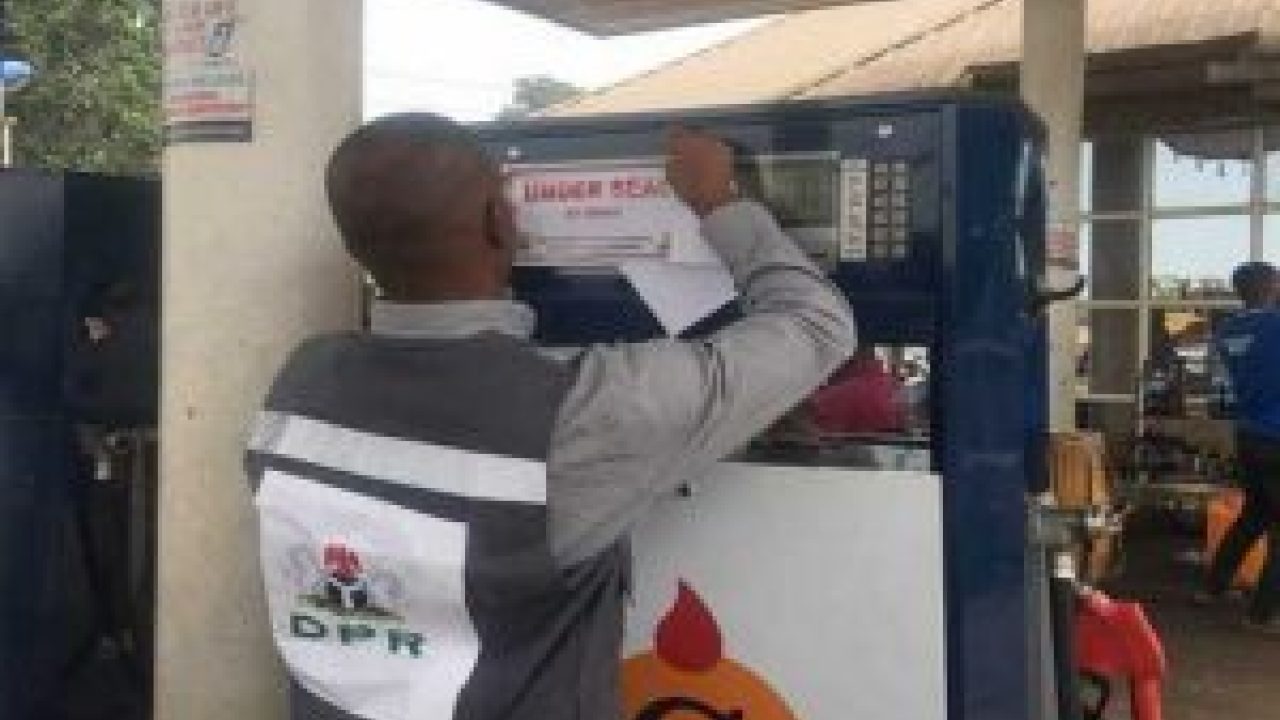
Nigeria oil reserves has been on steady decline since 2012, a record from Department of Petroleum Resources (DPR) has stated. According to the record, the reserves dropped by a whopping 961.47 million barrels between 2012 and 2016 alone.
The situation, which is already building anxiety among experts, has been blamed on uncertainties in the oil and gas sector associated with the delay in the passage of the Petroleum Industry Bill (PIB), rising security challenges, growing corruption rating as well as other global challenges confronting the industry.
According to the statistics, the reserve which stood at 37.200 billion in 2010, dropped to 36.247 billion in 2011. It was 37.139 billion in 2012 before it went down to 37.071 in 2013. In 2014, it stood at 37.448 billion, and later dropped to 37.062 in 2015 and remained at 37.453 billion in 2016.
In terms of production, the country’s average daily record in 2010 was 2,048 million, it dropped to 1.975 million in 2011. There was further reduction in 2012 to 1.954 million. In 2013, the figure went down to 1.754 million, in 2014 and 2015 it was 1,807 million and 1.748 million. In 2016, it reduced to 1.427, but in January this year, the Nigerian National Petroleum Corporation (NNPC) said the figure increased to 2.25 million.
Similarly, while the level of active rigs in the country as at 2010 stood at 35, it moved to 38, 44 and 59 in 2011, 2012 and 2013. The figure dropped to 46 in 2014, 29 in 2015 and eventually crashed to only nine in 2016.
The number of active rigs indicates the level of exploration, development and production activities occurring in a nation’s oil and gas sector.
The Nigeria Natural Resource Charter (NNRC) estimated over $235billion as loss to the non-passage of PIB alone, while the U.K-based research institute, Consultancy Wood Mackenzie (WoodMac) has found that international oil companies like ExxonMobil, Royal Dutch Shell and Total would cut spending on oil and gas exploration for a fifth year in a row in 2018 in countries like Nigeria.
The National President, Nigerian Association for Energy Economics (NAEE), Prof. Wumi Iledare, said the nation’s oil sector was witnessing investment drought because of unclear governance structure.
“We cannot meet the target because the governance structure is not clear, the price of oil has been dropping over the past five years and the fiscal system remains dormant, archaic. It has to be revamped,” he said.
According to him, there must be incentives if government will get people to explore and expand reserve base, but obviously Nigeria doesn’t have the money unless it woos international investors who will only come when the business environment is conducive.




-

 Latest5 days ago
Full List: Meet the 2026 Nobel Prize winners across six categories
-

 Football5 days ago
Premier League Matchweek 7: Five Fixtures That Could Shape the Weekend
-

 Latest4 days ago
Umahi defends Lagos-Calabar highway route changes amid public outcry
-
 Business3 days ago
Dangote Refinery IPO: 70% Subscription claim meets fourfold demand assertion as investors seek clarity
-
Business4 days ago
Dangote Refinery IPO Extension: Was the 70% subscription report overhyped?
-

 Latest2 days ago
UCTH faces morgue crisis as 50 unclaimed corpses await mass burial
-
 Featured4 days ago
El-Rufai, ADC governorship candidate’s court appearance puts Kaduna opposition politics in focus
-
 Business2 days ago
BREAKING: Nigeria’s Inflation Rate Drops to 14.63% in September