
Business
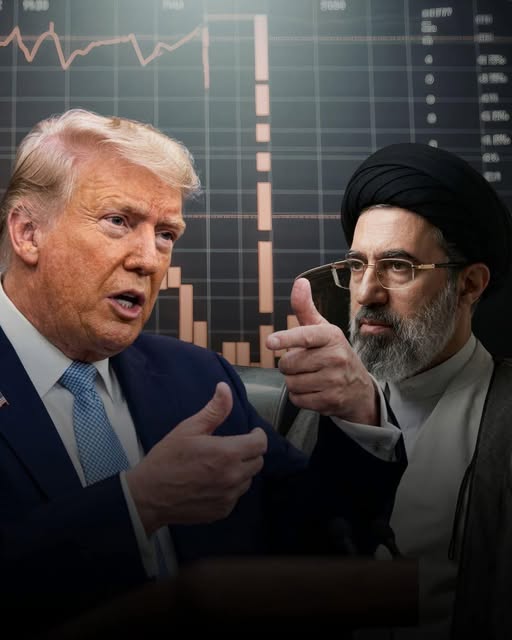
US-Iran confrontation deepens as Hormuz standoff rekindles global oil fears

By Arthur Eriye
Recent tensions between the United States and Iran have brought the Strait of Hormuz back into focus, rekindling concerns over potential disruptions to global energy supplies and causing oil markets to experience further uncertainty.
The most recent flashpoint arose after Iran dismissed proposals for a collaborative regional framework to manage the vital waterway, asserting that control over the Strait is a matter of national sovereignty. This situation has exacerbated an already delicate diplomatic rift between Tehran and Washington, which continues to advocate for unimpeded navigation through one of the busiest maritime routes in the world.
The Strait of Hormuz, a narrow channel connecting the Persian Gulf to the Gulf of Oman, is responsible for transporting approximately one-fifth of the world’s oil exports and a considerable portion of global liquefied natural gas (LNG) shipments. Any threats to shipping in this corridor are closely monitored by energy traders, governments, and central banks due to their potential effects on inflation and economic growth.
Oil prices have risen slightly as investors evaluate the consequences of the renewed standoff. Traders are concerned that extended geopolitical tensions or any interruptions to commercial shipping could constrict global crude supplies, elevate freight and insurance costs, and drive up fuel prices in importing countries.
READ ALSO;Global oil prices fall to multi-week lows as U.S.-Iran pause eases supply concerns
The ongoing dispute has revealed a more profound disagreement regarding the future security framework of the Gulf. Washington contends that international shipping routes must remain accessible in accordance with international maritime law and has reiterated its dedication to safeguarding commercial vessels operating in the area. Conversely, Iran asserts that the Strait is part of its strategic domain and has dismissed any proposals it perceives as threats to its sovereignty.
In addition to the military and diplomatic discourse, the economic ramifications are significant. Increased shipping insurance rates, extended voyage durations, and the rerouting of vessels around perceived risk areas have already led to heightened transportation expenses for energy and other goods. Analysts caution that if the stalemate continues, the repercussions could extend beyond oil to include petrochemicals, fertilizers, and wider global supply chains.
For Nigeria, the renewed uncertainty presents a complex scenario. Rising crude oil prices could enhance government revenues, boost foreign exchange inflows, and fortify external reserves. However, escalating shipping expenses and heightened global inflation may increase the costs of imported machinery, industrial inputs, and refined petroleum products, potentially negating some of the benefits.
Energy market analysts indicate that the immediate concern is less about a total closure of the Strait—which remains improbable due to the significant economic repercussions for all involved—and more about recurring tensions that keep oil markets unstable. Even in the absence of a full-scale disruption, ongoing geopolitical uncertainty can maintain a risk premium on crude prices and complicate planning for businesses and policymakers.
With diplomatic efforts showing few signs of progress, the Strait of Hormuz is once again becoming one of the most significant geopolitical flashpoints globally. For international markets, the implication is unmistakable: every escalation in the Gulf now has the potential to impact energy prices, shipping expenses, and the broader global economy.


-

 Latest6 days ago
US Immigration fees rise from October 16 as USCIS announces new charges
-
 Latest15 hours ago
Israel marks 3 years since October 7 Hamas attack amid Gaza strikes, election debate
-

 Business5 days ago
Nigeria’s $55bn reserves raise fresh questions over naira value
-

 Health5 days ago
Florida sues Pfizer over deceptive COVID-19 vaccine marketing
-

 Business7 days ago
Tuoyo Erikowa wins digital marketing personality of the Year at 2026 EDGE awards
-

 Crime5 days ago
From camp to captivity: How kidnappers now target NYSC Corps members on highways
-

 Featured5 days ago
2027: Can Nigeria’s opposition still unite behind a single presidential candidate?
-

 Crime5 days ago
Fulani Militia leader linked to Christian killings arrested in Plateau