Connect with us

Energy

Global oil prices fall to multi-week lows as U.S.-Iran pause eases supply concerns

Published

on

Global oil prices fall to multi-week lows as U.S.-Iran pause eases supply concerns
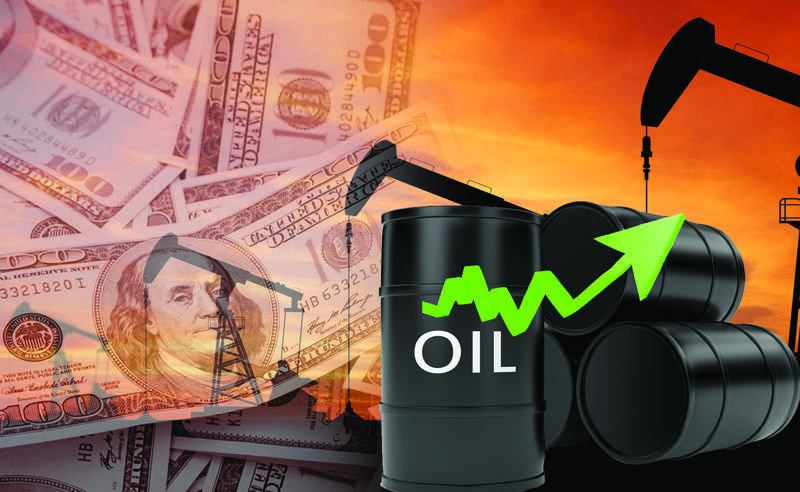
Global oil prices fell to their lowest levels in more than a week on Tuesday after a temporary pause in hostilities between the United States and Iran eased concerns over potential disruptions to crude supplies from the Middle East.

Brent crude futures dropped $2.53, or 2.9 per cent, to $85.83 per barrel by 09:34 GMT, while U.S. West Texas Intermediate (WTI) crude fell $1.98, or 2.4 per cent, to $80.63 per barrel. The decline follows last week’s sharp rally, when oil prices briefly climbed above $95 per barrel amid renewed military strikes and fears that tensions in the Persian Gulf could disrupt global energy supplies.

Market analysts attributed the latest price drop to signs of diplomatic progress after the United States and Iran paused direct military exchanges over the weekend. Indirect talks, reportedly facilitated by Oman and other regional mediators, have raised hopes of reducing tensions and ensuring the continued flow of oil through the Strait of Hormuz.

The strategic waterway carries around one-fifth of the world’s oil supply, making any threat to shipping through the strait a major concern for global energy markets.

U.S. President Donald Trump said Washington was engaged in “good talks” with Iranian representatives, fuelling optimism that both sides could reach an understanding to safeguard commercial navigation in the region.

Warren Patterson, Head of Commodities Strategy at ING, said the temporary halt in military action had removed much of the geopolitical risk premium that had been built into short-term oil contracts.

“The temporary pause in physical strikes has immediately taken the geopolitical risk premium out of short-term futures contracts,” Patterson said. “Markets are reacting to the increased probability that commercial tanker traffic through Hormuz will remain unhindered in the coming weeks.”

Despite the decline in prices, analysts cautioned that the situation remains fragile. S&P Global Market Intelligence said the easing of tensions had reduced immediate panic buying but noted that Brent crude is still expected to average about $87 per barrel for the year due to lingering geopolitical risks and ongoing infrastructure challenges.

The International Energy Agency (IEA) also warned that while current global oil inventories provide a buffer against short-term supply shocks, any renewed escalation in the Middle East or disruption to Gulf oil infrastructure could quickly push crude prices back towards $100 per barrel.

Investors are expected to closely monitor developments in the U.S.-Iran talks and the security situation around the Strait of Hormuz, with further progress likely to influence oil prices in the coming weeks.

Continue Reading
Advertisement
Click to comment

Leave a Reply

Your email address will not be published.

Trending