
Business
Naira remains stable against Pound at N1,841 amid CBN FX reforms

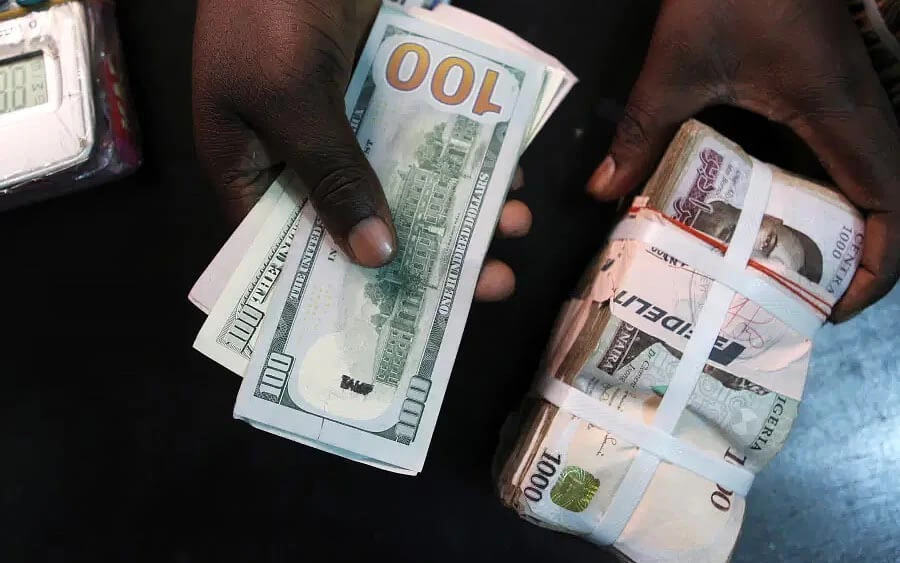
The Nigerian naira maintained its recent stability against the British Pound at the official foreign exchange market on Wednesday, with the exchange rate opening at ₦1,841/£, reflecting continued confidence in the Central Bank of Nigeria’s (CBN) foreign exchange reforms and tight monetary policy stance.
The latest official rate represents a marked improvement from the levels of nearly ₦1,950 per Pound recorded earlier this year, highlighting the gradual recovery of the naira amid increased liquidity in the foreign exchange market and sustained policy interventions by the apex bank.
Financial analysts attribute the improved exchange rate to the CBN’s efforts to clear outstanding foreign exchange obligations, enhance market transparency and improve liquidity across the official FX window.
These measures have significantly narrowed the gap between the official and parallel market exchange rates, reducing speculative trading and arbitrage opportunities.
The stability also follows the conclusion of the Monetary Policy Committee (MPC) meeting, where the CBN retained the Monetary Policy Rate (MPR) at 26.5 per cent, signalling its commitment to maintaining a restrictive monetary policy to consolidate gains against inflation.
Although Nigeria’s inflation rate has eased to about 15.9 per cent, down sharply from levels above 30 per cent recorded in previous cycles, the apex bank noted that persistent increases in energy prices, transportation costs and other structural challenges continue to pose inflationary risks.
Economists believe the decision to keep interest rates elevated is intended to preserve positive real returns on naira-denominated assets, attract foreign portfolio investment into Nigeria’s debt market and support the country’s external reserves, thereby strengthening the local currency.
READ ALSO; Naira falls to N1,373/$, hits weakest level in four weeks
The CBN also cited heightened geopolitical uncertainties and volatility in international oil markets as reasons for maintaining a cautious, wait-and-see approach to monetary policy.
In global currency markets, the British Pound strengthened slightly against the US Dollar, trading around $1.338 during Wednesday’s London session.
Market analysts said Sterling has broken above a recent downward trend but remains below the key 200-day simple moving average of approximately $1.34, which continues to act as a major resistance level.
Investors are closely watching the release of the United Kingdom’s latest Consumer Price Index (CPI) report, which is expected to influence expectations for the Bank of England’s next monetary policy decision.
Higher-than-expected inflation could reinforce expectations of another interest rate increase by the Bank of England, while weaker data may reduce pressure for further monetary tightening.
The US Dollar, meanwhile, paused after four consecutive days of gains as investors reassessed global risk sentiment.
Analysts said reports suggesting possible diplomatic efforts between the United States and Iran have eased concerns over escalating geopolitical tensions and potential disruptions to global energy supplies, reducing demand for the dollar as a safe-haven currency.
The softer dollar has provided additional support for the GBP/USD exchange rate, although traders continue to factor in the possibility of at least one further interest rate hike by the US Federal Reserve as elevated energy prices continue to influence inflation expectations.
Global financial markets remain sensitive to developments in the Middle East, particularly following renewed tensions involving Yemen’s Iran-backed Houthi movement, which announced a naval blockade targeting Saudi Arabia amid the ongoing regional conflict linked to the Strait of Hormuz.
The uncertainty has contributed to volatility in international crude oil prices, with investors closely monitoring any developments that could disrupt global energy supplies and affect inflation trends worldwide.
Beyond monetary policy, investors are also awaiting further details of British Prime Minister Andy Burnham’s long-term fiscal agenda.
Economists also note that the United Kingdom’s relatively low household savings rate and persistent current account deficit leave its financial markets particularly sensitive to concerns about fiscal sustainability.


-

 Business7 days ago
Dangote Refinery IPO: 70% Subscription claim meets fourfold demand assertion as investors seek clarity
-

 Latest1 week ago
Umahi defends Lagos-Calabar highway route changes amid public outcry
-
Business1 week ago
Dangote Refinery IPO Extension: Was the 70% subscription report overhyped?
-

 Featured3 days ago
Inside INEC’s race to prepare for Nigeria’s 2027 elections
-

 Latest6 days ago
UCTH faces morgue crisis as 50 unclaimed corpses await mass burial
-

 Featured3 days ago
2027: APC unveils nationwide campaign timetable, Tinubu to rally in 12 states
-

 Business5 days ago
BREAKING: Nigeria’s Inflation Rate Drops to 14.63% in September
-

 Featured1 week ago
El-Rufai, ADC governorship candidate’s court appearance puts Kaduna opposition politics in focus