
Featured
World Bank, IMF data on Nigeria not reliable – Buhari

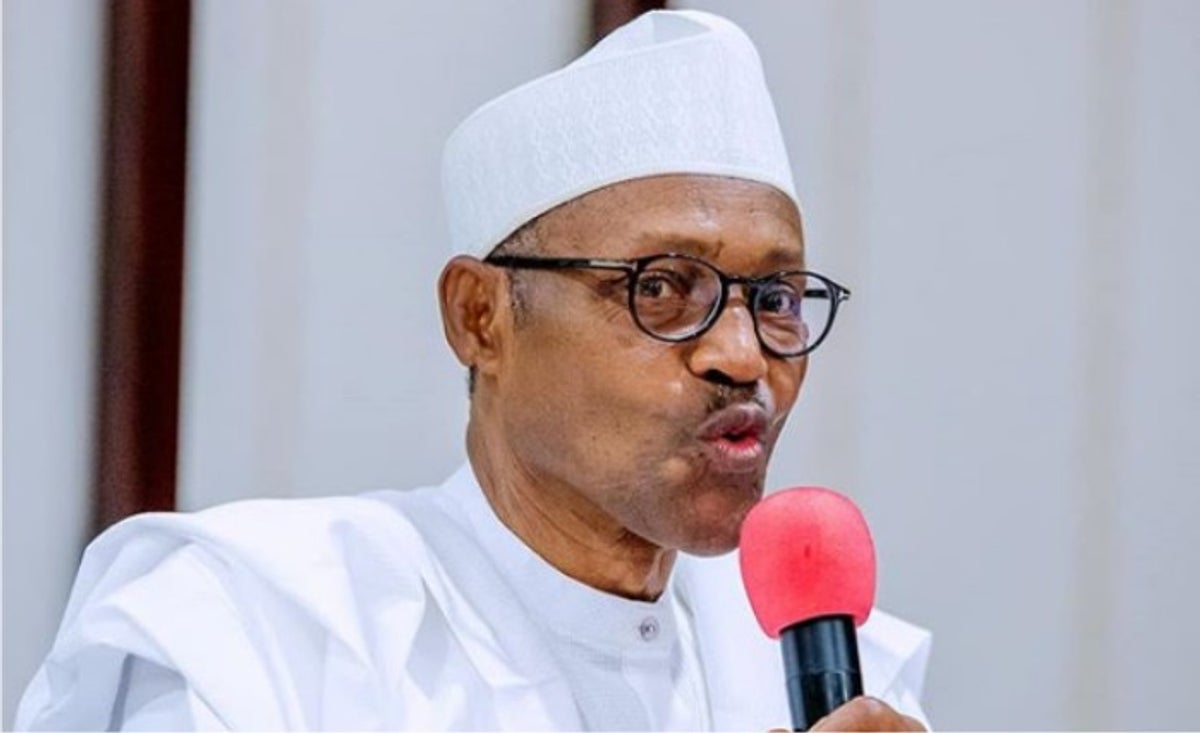
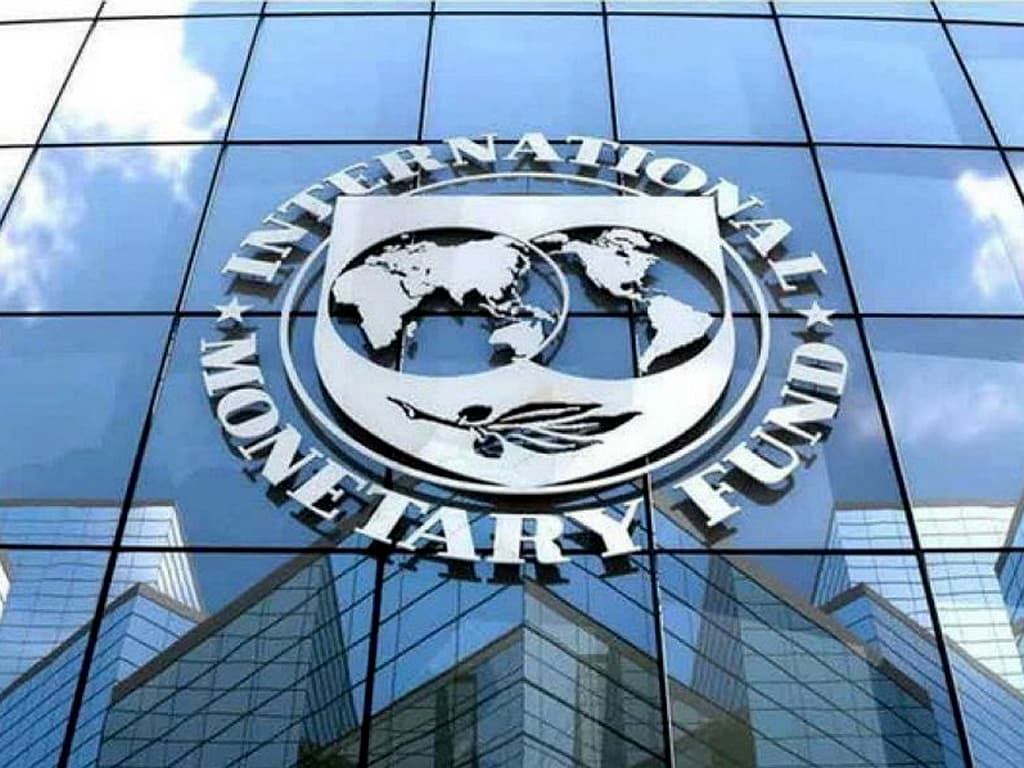
President Muhammadu Buhari has described that the data on Nigeria’s economy presented by the World Bank and the International Monetary Fund as ludicrous which do not reflect the reality in Nigeria.
He made this comment on his official Twitter account “@MBuhari” while addressing the role of data in policymaking, stating that the data collated abroad are wild estimates that bear little relation to the facts on ground.
According to him, for policies to be tailored in line with the reality of Nigeria, the country needs data that reflects true events within the country.
President Buhari tweeted that his administration could only plan realistically with reliable data. The lack of data has prompted him to direct the Presidential Economic Advisory Council to prioritize the collection of primary data.
“We must domesticate our policies to reflect our local realities. While we very much welcome the cooperation and support we are getting from our friends abroad, it is important to make it clear that Nigeria can only truly move forward with homegrown solutions.
“This must extend to data collection as well. Today, most of the statistics quoted about Nigeria are developed abroad by the World Bank, IMF and other foreign bodies. Some of these statistics are wild estimates that bear little relation to the facts on the ground.
“We can only plan realistically when we have reliable data. As a government, we are taking very serious steps to improve the quality of data available for policymaking, and today I charged the Presidential Economic Advisory Council to prioritize the collection of Primary data,” President Buhari tweeted.
The statement that foreign agencies like World Bank, International Monetary fund and other international agencies develop their data abroad is not true. These agencies have collaboration with countries through their representatives of which Nigeria is among some.
Sometimes, they seek data from government agencies or institutions depending on the professional standards in the collection and compilation. World Bank itself stated on its website that, “Much of the data comes from the statistical systems of member countries, and the quality of global data depends on how well these national systems perform.”
Some foreign agencies fund research by local sources in countries they are gathering data on. World Bank’s Data Group according to its website post works with other organizations on new statistical methods, data collection activities and statistical capacity-building programs.
Most times, countries reject data that doesn’t put them in good light but these international data agencies are not working as a mouthpiece for these governments. They only provide data that helps governments while formulating policies and guild citizens as well as investors.








-
 Featured5 days ago
Nigeria’s youth unemployment paradox: Graduates struggle as millions survive in informal jobs
-

 Business6 days ago
Nigerian Banks earn N521.8bn from E-banking, card fees in nine months
-

 Latest6 days ago
Dalung claims ‘message from Buhari’s grave’ urges Nigerians to vote Atiku in 2027
-

 Energy5 days ago
Nigeria’s power crisis deepens as ₦639bn unpaid gas debt threatens electricity supply
-
 Latest1 week ago
2027 elections: Former INEC commissioner warns against ‘Rig and Die’ slogan, says violence undemocratic
-
 Featured4 days ago
Tinubu’s Renewed Hope: Reforms, hardship and the unanswered question of a second term
-

 Business1 week ago
GTCO fashion weekend: As fashion evolves, Nigerian men are rewriting the rules of style
-

 Featured4 days ago
The cost of Renewed Hope: How Nigeria’s economic reforms are reshaping everyday family life