
Latest
Your inconsistent policies killing businesses, Obi tells Tinubu

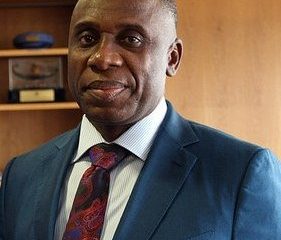
Peter Obi, presidential candidate of the Labour Party (LP) in the 2023 elections, has asked the federal government to end the inconsistency in customs duty charges, saying it is affecting businesses in the country.
Since the year began, the Nigerian Customs Service (NCS) has been upwardly adjusting its foreign exchange (FX) rate for duties.
In February alone, the agency has increased the rate six times, reflecting the volatility in the broader FX market.
Obi, in a statement posted X on Wednesday, asked the government to stop the arbitrary and ever-increasing customs duties.
The politician said the situation is now negatively impacting businesses and the cost of items, warning that it “portends a huge danger to the economy”.
He said such arbitrary charges would lead to further closure of businesses and attendant job losses.
Obi said if the situation is not corrected, importers may resort to using ports of nearby countries — “a situation that will leave our ports under-productive, and further deepen our economy into a worse situation as a result of loss of revenue”.
READ ALSO: More substantial reductions in governance costs needed to impact economy—Peter Obi
“A situation where at the point of initiating importation, Form M and other documents related to importation are based on a particular rate of exchange, for example, N1000 to $1, being the prevailing exchange rate at the time which the importer of goods was used to calculate the entire process, from the import initiation to receipt of goods in his warehouse,” he said.
“Then suddenly when the goods arrive in Nigeria, and duties are calculated at different rates, say N1400 to $1, it becomes a serious business challenge that results in business losses. Worse still, it directly fuels the inflationary spike which is the basis of increasing cost of goods and living.”
Obi called on the government to show consistency in its policies, stating that it would help with economic forecasting and business planning.
“Businesses are dying and manufacturers are shutting down because of the poor and inconsistent economic policies of the government, he said.
“We cannot afford to target high customs revenues at the expense of the survival of local businesses, employment and reasonable cost of living.”
Obi advised the government to support businesses, especially those in the manufacturing sector, to keep them afloat and sustain economic growth, stressing that the “small business sector remains the most critical engine of economic growth”.
On February 16, 2024, BUA Foods, Nigeria’s giant consumer goods producer, said the incessant adjustments in the import duty FX rate are affecting its operations, particularly in the importation of raw materials.










-
 Featured1 week ago
Inside INEC’s race to prepare for Nigeria’s 2027 elections
-
 Featured1 week ago
2027: APC unveils nationwide campaign timetable, Tinubu to rally in 12 states
-
 Business5 days ago
Naira faces exchange rate gap as Dollar hits N1,380 on parallel market
-
 Business1 week ago
Court dismisses ₦170m Trade Fair contract claim, says Zenith Bank was not a party
-

 Latest1 week ago
Breaking: NNPCL raises petrol price to ₦1,405 per litre amid discount controversy
-

 Football2 days ago
Man United shortlist Emery, Nagelsmann as potential replacements for Carrick
-

 Featured1 day ago
BREAKING NEWS: Shouts of joy rock the world as Pastor Chris opens final Healing Streams edition for 2026
-

 Business2 days ago
Hoodlums raid JED Benue office, abduct 10 staff over power dispute