
Business
14 years after, coal-powered plant fully online in South Africa

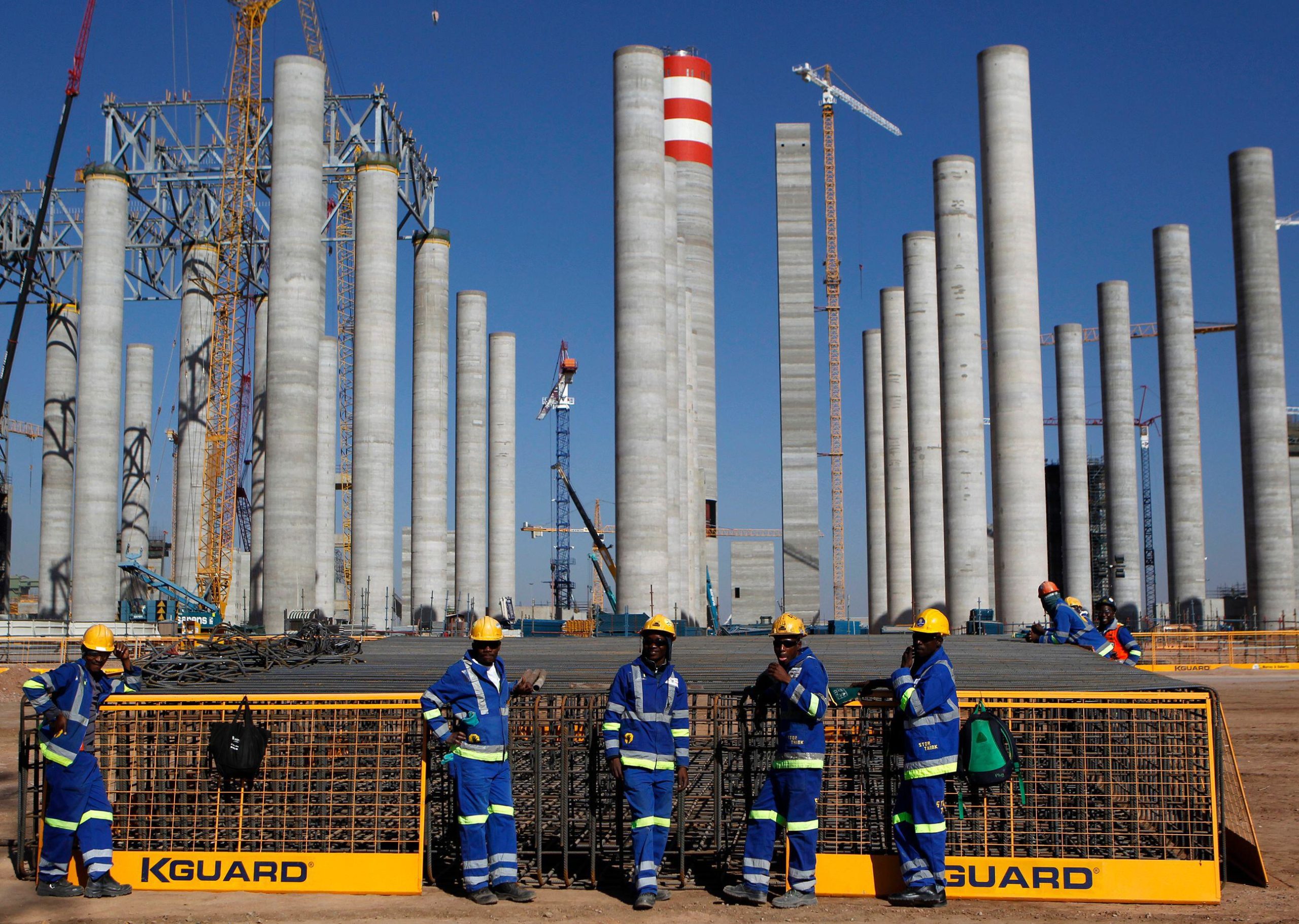
South Africa’s main energy provider has announced the opening of one of the world’s largest coal-fueled power plants on Monday.
14 years after the ground was broken and after multiple delays and amid concerns about a coal-based project’s effect on the climate.
The 4,764-megawatt Medupi Power Station went online on Saturday, according to power company Eskom.
But it added that repairs and compliance work would be necessary during the next two years.
“Once these repairs are completed during the next 24 months, Medupi will reliably deliver power to the national grid at full capacity, helping increase energy security for the country,’’ said Bheki Nxumalo, group executive of Eskom’s group capital division.
It is the fourth-largest power plant of its kind and cost 122 billion rand (8.5 billion dollars). It is expected to operate for the next 50 years, which will mean power relief for a country regularly hit by outages that hurt the economy and made investors nervous about building there.
Eskom routinely has to take parts of the country off the power grid to prevent stress on the system.
But the new project’s reliance on coal worries some, especially given global efforts to reduce carbon dioxide output.
Coal is already used for 75 per cent of South Africa’s power.
Continue Reading


-
 Latest1 week ago
Israel marks 3 years since October 7 Hamas attack amid Gaza strikes, election debate
-

 Energy1 week ago
Fuel Battle: Dangote, marketers and government clash over petrol imports
-

 Latest2 days ago
Full List: Meet the 2026 Nobel Prize winners across six categories
-

 Football1 week ago
Nigeria’s World Cup exit under spotlight as FIFA’s DR Congo files emerge
-

 Latest1 week ago
US Court set to rule on release of FBI, DEA records on Tinubu
-
 Featured6 days ago
103 Million Voters: What does INEC’s new register say about Nigeria’s population?
-

 Business1 week ago
Nigerian investors at a crossroads as fixed-income yields slide
-

 Latest1 week ago
Oyo APC crisis deepens as Oluyole reconciliation meeting ends in brawl