
Business
Experts allay fears over possible conversion of Dollars in domiciliary accounts

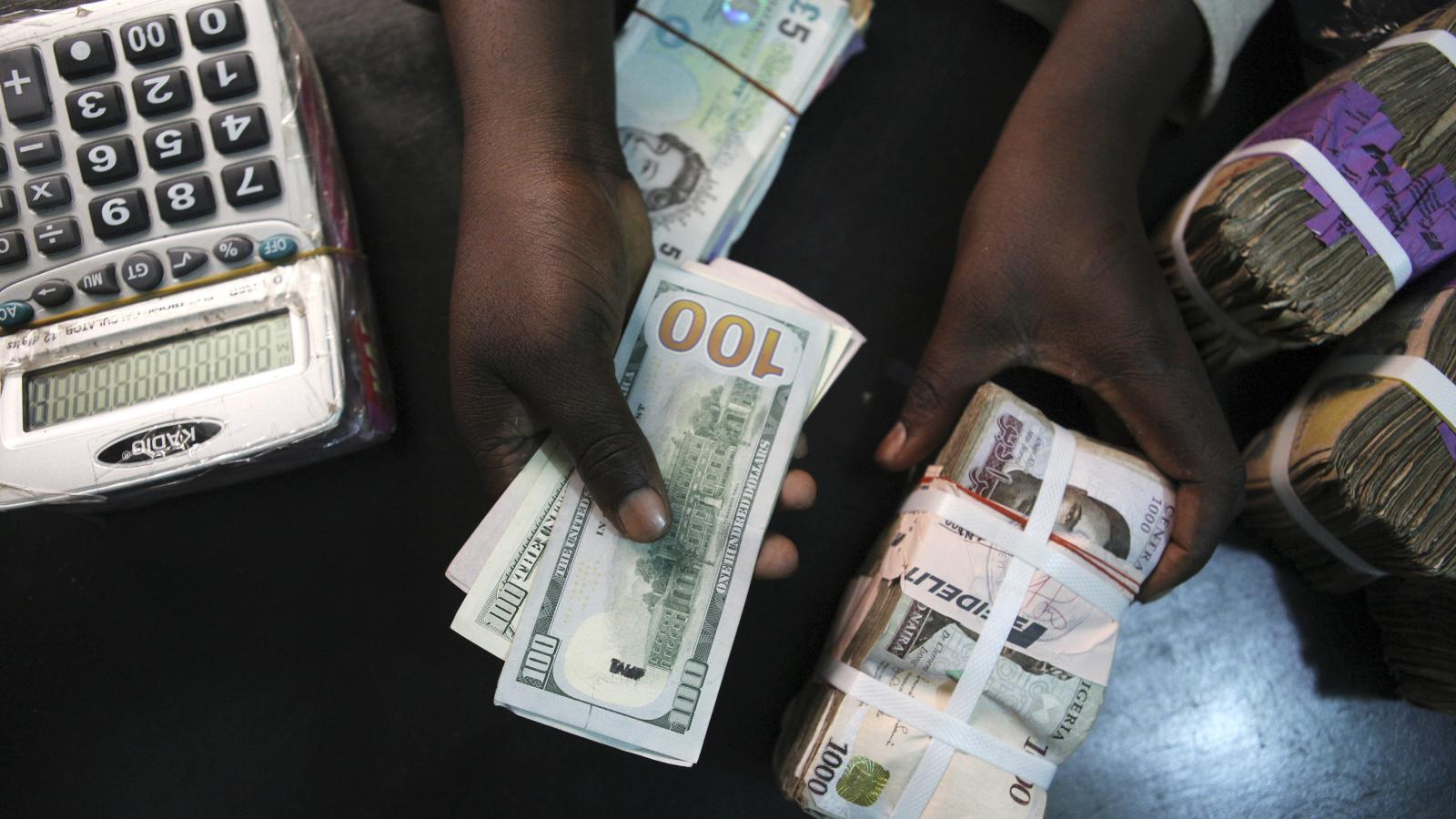
Financial experts in the country have allayed the fears that the Central Bank of Nigeria could consider converting dollars in domiciliary accounts of banks held on behalf of depositors into naira following the recent ban on the sale of forex to the BDCs by the apex bank over accusations of fraud and arbitrage.
The fear, it was gathered, is based on concerns that the CBN might in an act of desperation choose to convert some of the balances to address Nigeria’s foreign currency supply shortages.
According to Wale Okunrinboye, Head of Research at Sigma Pensions, the last country that did this was Argentina and it resulted in a catastrophic deterioration in its currency crisis. He maintained that the CBN was not that desperate to carry out such an action.
Another analyst who was on the show, Dele Akintola, opined this was not in any way under consideration and that the laws and regulations that guides ownership of domiciliary accounts cannot be changed easily by the Central Bank.
READ ALSO: Abuja banks comply with CBN forex directive, sell dollar at N412
Currently, operations of domiciliary accounts are enshrined in the Central Bank’s Foreign Exchange Manual which was last updated on July 26th, 2018.
Under Memorandum 25 of the manual titled Foreign Currency Domiciliary Accounts, the CBN sets out policies for operating a domiciliary account, section 1 (ii) Eligibility, the manual states that “Foreign currency domiciliary accounts may be opened by Citizens of Nigeria, Foreign nationals and Foreign/indigenous companies.”
Nowhere in the manual does it state that the CBN has power to convert it into naira or suggest it may consider doing so. In fact, according to the manual, the CBN is not interested in even knowing who operates these accounts, even though they can, should they want to.
READ ALSO: CBN moves to enhance forex sales, directs banks to set up teller points
“For the avoidance of doubt, the monetary authorities are only interested in aggregate movements in foreign currency domiciliary accounts. Consequently, monitoring of transactions will be in aggregate and impersonal terms. Authorized Dealers are, therefore, requested to ensure that names of individual account holders are not stated in the returns.”
It is also important to state that on two occasions last year, the CBN has had to make clarifications under the operations of domiciliary accounts, citing this manual. On February 24, 2020, it reminded Nigerians that domiciliary account holders cannot transfer more than $10,000 electronically if the inflow was a cash deposit.
On November 30th 2020, it again explained that anyone with a domiciliary account funded from electronic/wire transfer “will be allowed unfettered and unrestricted use” of the funds for “eligible transactions” while cash lodgments will continue to be limited to $10,000. This means, if you received a wired transfer inflow of $100k into your domiciliary accounts then you can transfer $100k without restrictions.


-
 Latest7 days ago
Israel marks 3 years since October 7 Hamas attack amid Gaza strikes, election debate
-

 Energy7 days ago
Fuel Battle: Dangote, marketers and government clash over petrol imports
-

 Energy1 week ago
Petrol, diesel prices rise 86% in 2026 as costs hit fresh highs
-

 Latest2 days ago
Full List: Meet the 2026 Nobel Prize winners across six categories
-

 Football1 week ago
Nigeria’s World Cup exit under spotlight as FIFA’s DR Congo files emerge
-

 Latest1 week ago
US Court set to rule on release of FBI, DEA records on Tinubu
-

 Business1 week ago
Nigerian investors at a crossroads as fixed-income yields slide
-

 Latest1 week ago
Oyo APC crisis deepens as Oluyole reconciliation meeting ends in brawl