
Business
Adeosun: Nigeria’s economic challenges are surmountable

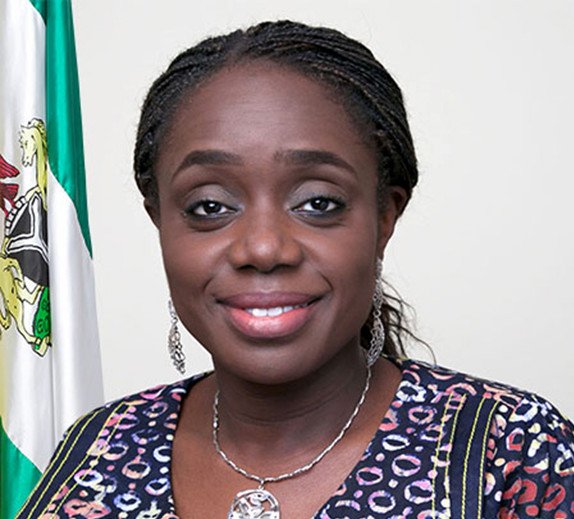
• Resists calls for IMF solution
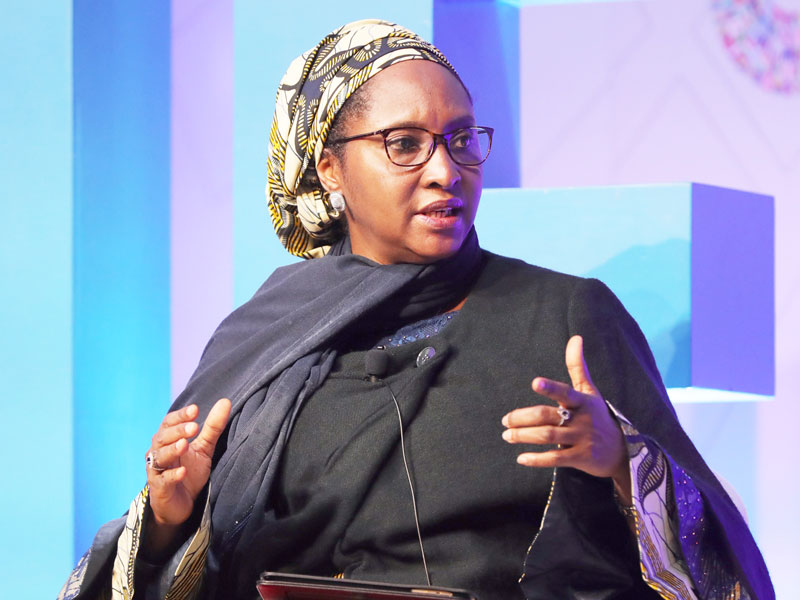
NIGERIA’S Finance Minister, Kemi Adeosun, at the ongoing Spring Meetings of the IMF/World Bank on Friday, explained why the Federal Government is not excited about calls to apply for loan facility from the International Monetary Fund (IMF) to tackle some of the current economic challenges that Nigeria is facing due to the slump in global oil prices
Other speakers at the event included, IMF Deputy Managing Director Mitsuhiro Furusawa and Rwanda Finance Minister Claver Gatete.
The Minister, who was a speaker at a panel discussion on Africa titled: “Sub-Saharan Africa: Just a Rough Patch,” said Nigeria is adapting to its new realities and it is implementing fiscal policies to steer the country back on track for stable growth with a diversified economy. These policies and investment should enable Nigeria to show positive growth in 2017.
Adeosun emphasised that what the country is passing through is surmountable, adding that government is already applying a cocktail of measures to address the problem.
“Nigeria is not sick and even if we are, we have our own local remedy,” the Minister said, in an apparent response to a question on why the government has refused to apply for IMF loans.
ALSO SEE: Padded Budget: Buhari angry with Fashola, Amaechi, Adeosun
Noting that the real vulnerability in the Nigerian economy is over-dependence on a single source of revenue, oil, the Minister said, “We have resolved to build resilience into the country’s economy to hedge against future oil shocks. This is because dependence on oil brings about vulnerability and laziness. So we are doing a combination of things to diversify our economy, with revenue mobilisation to enable sufficient investment in developing the non-oil sectors.”
We have great opportunities to reset the Nigerian economy and ensure that as we go forward, growth will be in a sustainable manner so that we won’t be vulnerable to oil price fluctuations, and with a truly diversified economy we would have enabled opportunities for wealth creation that would have trickles down to every Nigerian.
The compelling business case in Nigeria is that the fundamentals remain very strong, a teaming, young growing population, rich in resources and with a government determined to finally get it right. The great thing is that long term investors recognize this and understand the difference between short term and long term issues and the case for Nigeria persuades one to plan for the longer term opportunities.






-
 Latest5 days ago
Pastor Chris Oyakhilome announces mother’s passing at 88 [VIDEO]
-

 Latest6 days ago
Arsenal eye €70-80m move for Real Madrid star
-

 Football3 days ago
How David Beckham made $51.1m from 2026 World Cup, surpassing winners’ prize
-

 Crime6 days ago
Police arrest suspect, launch manhunt for 2 others over Delta Education Director’s death
-

 Latest5 days ago
How adulterated palm oil, coloured pepper are putting consumers at risk
-

 Crime5 days ago
Deaths in NSCDC Custody: Can Nigeria guarantee the safety of detainees?
-
 Latest6 days ago
Obi left $155m in Anambra, Otti insists amid debt controversy
-

 Crime6 days ago
184.5kg Cocaine Bust: NDLEA docks KC Luxury, two accomplices, remands them in custody