
Energy
Fuel importation to stop by 2019 — FG

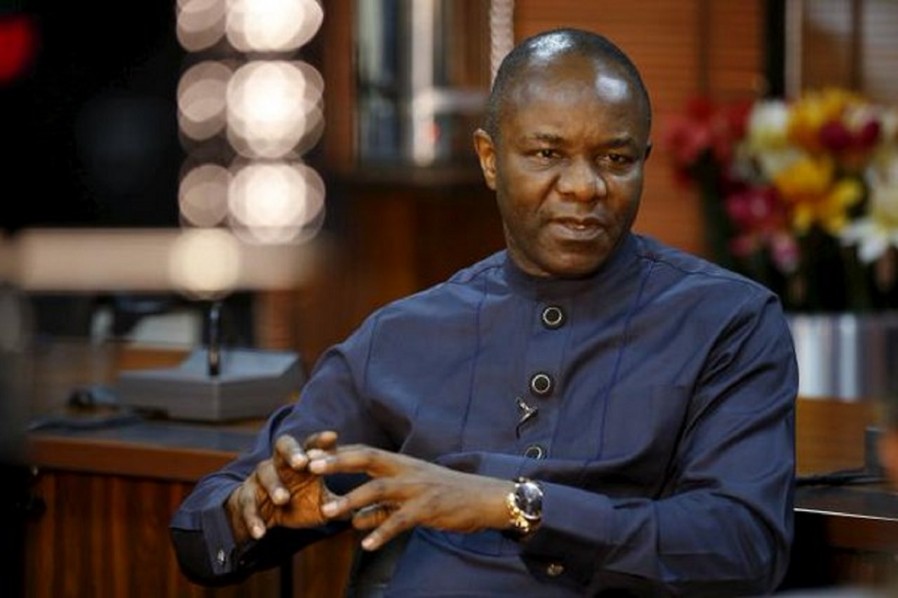
NIGERIA expects to become a net exporter of refined products and ends fuel importation by 2019, Minister of State for Petroleum Resources, Dr. Ibe Kachikwu has said.
Kachukwu, who was a guest speaker at the 10th Annual Business Law Conference of the Nigerian Bar Association Section on Business Law (NBA-SBL) in Abuja, added that the country requires about $50billion to fill the infrastructural gap in the industry and get it functioning optimally.
He said that the reforms in the petroleum industry required “bold thinking to challenge the status quo.”According to him, it required balancing interests of several groups with conflicting demands, some of which he said appeared valid.
He noted that, “The deregulation was a very bold thinking. Removal of subsidy was a bold thinking. Restructuring (the NNPC) was a bold thinking. We are working on a fairly fast-paced track where every month has a major new issue that we have to deal with.
“We’re looking at a template of two years in which to do so much in terms of changing this industry and recreating the opportunities that are inherent in the system.”
ALSO SEE: NNPC records N19.43 billion loss in April as oil production drops
“Timing of reforms is key and should have been yesterday. In most of the areas we are far behind time and our competitors and that is basically why we’re in a virtual race position today. We need to do all this to be able to get to where we should be.”
Speaking on the sub-theme: Future prospects for the oil and gas industry, the minister said the refineries are currently working at about 40-50 per cent capacity.
He said the aim is to get them working at 90 per cent capacity or more and build the needed infrastructure as investors come in.
On why refineries are working at low capacity, he said: “How does a refineries work if the pipelines supplying them are out most of the year and so they can’t supply crude? You can’t refine an empty space.
“How does it work when you don’t do your turnaround maintenance or if when monies are budgeted for them they are diverted? How does it work if your contracting process is so long that you never meet the turnaround days you’re supposed to? How does it work when you send the wrong set of people with the wrong set of skills to what should have been very important portfolios in the establishment?” he queried.









-
 Latest6 days ago
Israel marks 3 years since October 7 Hamas attack amid Gaza strikes, election debate
-
 Energy5 days ago
Fuel Battle: Dangote, marketers and government clash over petrol imports
-
 Energy7 days ago
Petrol, diesel prices rise 86% in 2026 as costs hit fresh highs
-
 Energy1 week ago
Has Iran lost control of the Strait of Hormuz? Oil flows rebound as war disruptions persist
-

 Football6 days ago
Nigeria’s World Cup exit under spotlight as FIFA’s DR Congo files emerge
-

 Latest6 days ago
US Court set to rule on release of FBI, DEA records on Tinubu
-

 Business6 days ago
Nigerian investors at a crossroads as fixed-income yields slide
-

 Business7 days ago
LoveWorld Trade and Investment Forum to Convene Business Leaders in Accra