
Business
AfDB using loans to burden Nigeria, others, World Bank alleges

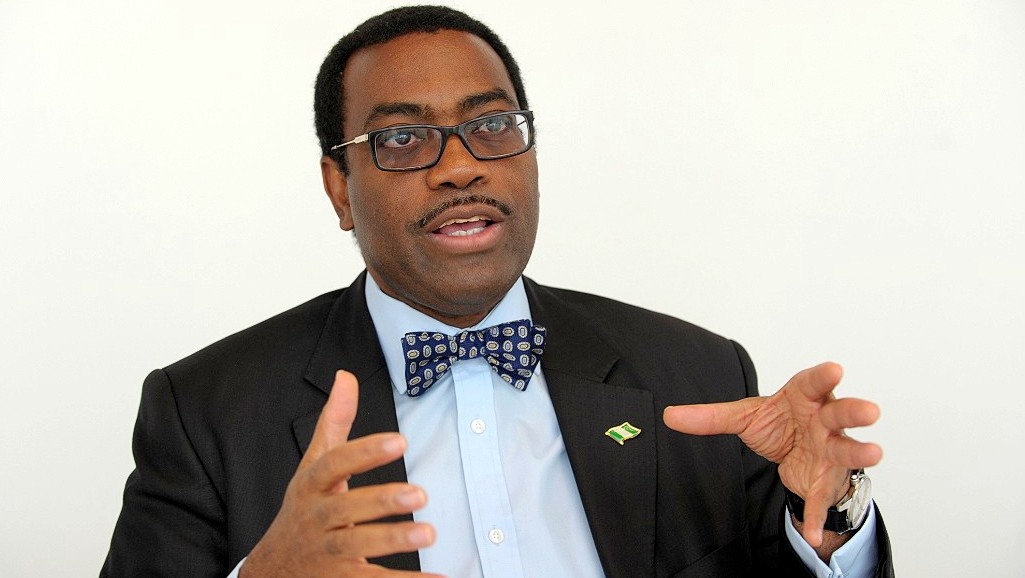
The World Bank has alleged that African Development Bank (AfDB), Asian Development Bank, and the European Bank for Reconstruction and Development have contributed in no small measures to the debt problems of Nigeria and other poor nations.
President of World Bank, David Malpass, who disclosed this at a forum in Washington DC, USA, explained that the international financial institutions were lending too fast, ignoring lending standards and transparency.
According to the World Bank chief, these international financial institutions hide terms of debt from citizens of these countries through non-disclosure of agreement.
He said, “We have a situation where other international financial institutions and to some extent development finance institutions as a whole, certainly the official export credit agencies, have a tendency to lend too quickly and to add to the debt problem of the countries.”
He said one of the instances was the approval of $1.3 billion, in December, by Asian Development Bank for Pakistan, which included $1 billion for budget support. The bank also approved $300 million for Pakistan to reform its energy sector.
He added that, “And so we have a very real problem of the IFIs themselves adding to the debt burden and, and there’s pressure then I think on the IMF to sort through it and look at the best interest for the country.
ALSO READ: Unwilling slaves of China: A legacy of squander
Malpass was worried about the non-disclosure of agreement that often accompanies these loans from international financial institutions. He said there’s need for transparency in order for citizens of each country to see the terms of the debt their government agreed to.
He added that in the lending contract, international financial institutions need to improve transparency, eliminate non-disclosure clauses that have hidden liens and contingent liabilities that could hamper economic growth.
Recall that the World Bank had intends to introduce new lending rules by July 1, 2020 as it plans to make about $85 billion in loans and grants available.
The new set of rules will ensure new standards for transparency and require coordination with other multilateral lenders working with the same country.
Meanwhile, the National Bureau of Statistics (NBS) reported that the nation’s total debt rose from N25.70 trillion in March 2019 to N26.14 trillion by the end of September 2019. Quarter on quarter, Nigeria’s total debt stock rose by 1.71 per cent or N440 billion.
Despite the rise, the Finance Minister, Zainab Ahmed has continued to state that the debt increase isn’t the problem. This has led to the Nigerian government initiating a tax reform, increasing VAT from 5 per cent to 7.5 per cent, in order to mobilise revenue.



-
 Latest6 days ago
Israel marks 3 years since October 7 Hamas attack amid Gaza strikes, election debate
-

 Energy6 days ago
Fuel Battle: Dangote, marketers and government clash over petrol imports
-

 Energy7 days ago
Petrol, diesel prices rise 86% in 2026 as costs hit fresh highs
-
 Energy1 week ago
Has Iran lost control of the Strait of Hormuz? Oil flows rebound as war disruptions persist
-

 Football6 days ago
Nigeria’s World Cup exit under spotlight as FIFA’s DR Congo files emerge
-

 Latest6 days ago
US Court set to rule on release of FBI, DEA records on Tinubu
-

 Business6 days ago
Nigerian investors at a crossroads as fixed-income yields slide
-

 Business1 week ago
LoveWorld Trade and Investment Forum to Convene Business Leaders in Accra