
Energy
Nigeria’s oil faces bleak future, says expert

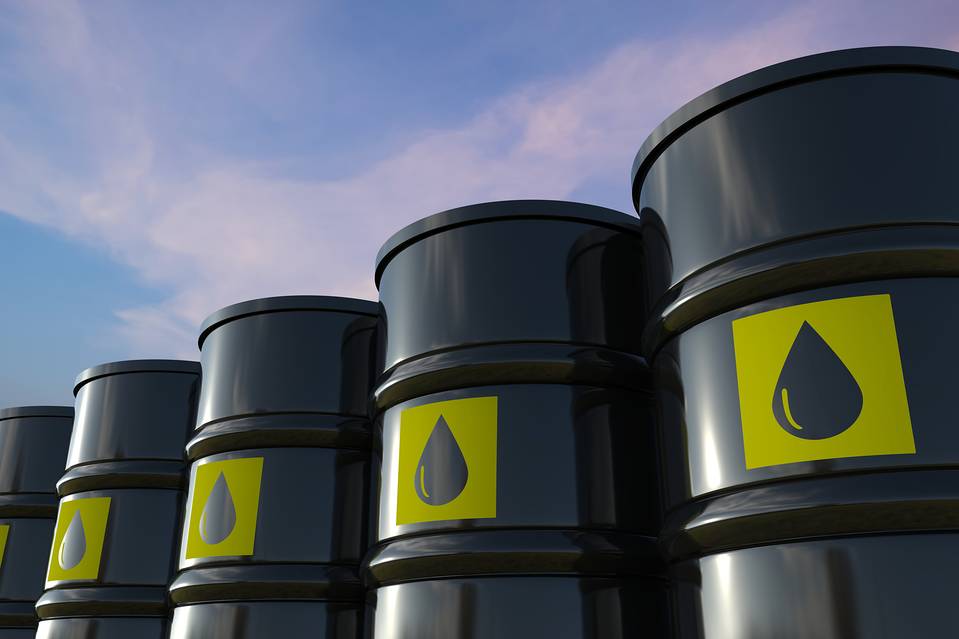
Analysts at the Wood Mackenzie, a global energy consultancy firm has predicted a 35% decline in Nigeria’s oil output in the next ten years owing to cost increases and volatility in the energy industry even as corporate investors hesitate to commit funds to major oilfield.
In its latest report, the Edinburgh-based firm revealed that three deep offshore fields, with the potential of producing over $2 billion (N727 billion) annually for the Nigerian Government at peak production, might be delayed given that companies are eyeing regions offering more favourable and clearer terms.
Lennert Koch, principal analyst of sub-Saharan Africa upstream with Wood Mackenzie, remarked as follows: “Nigeria is going to enter quite a steep decline in production. In order to keep its revenue up…it needs to develop additional fields.”
Koch said Nigeria would face the grim repercussion of 35% plunge in oil production within a decade if the three oilfields were lost.
As fields naturally decline, Nigeria, Africa’s largest oil producer, requires steady investment to sustain output. About 90% of Nigeria’s foreign currency earnings come from oil.
In the light of the current development, Wood Mackenzie deferred its projected startups for the deepwater projects Bonga Southwest Aparo (operated by Shell) and Preowei (operated by Total) by two years to 2027 and 2025 respectively. It however extended ExxonMobil’s Owowo by four years to 2029.
According to Total, Preowei is currently under consideration with 2020 or a year after timed for a final investment decision.
ALSO READ: Fire engulfs Obasanjo’s residence
Shell’s Nigerian operation said it is in talks with government and venture partners regarding “options to ensure the attractiveness of Nigerian deep offshore investments.”
As a whole, the three deepwater fields hold approximately 1.5 billion barrels of crude and are capable of adding 300,000 bpd of oil.
Wood Mackenzie identified royalty laws, changes to tax and unpredictability of oil reform as the grounds for delays. Yet it said the three projects are “not economically viable” under current conditions and with oil below $60 per barrel.
Koch further stated that companies are mindful of the possibility that the terms of development will shift considering that government has given the assurance it will pass the Petroleum Industry Bill (PIB) this year.
“These are still world-class resources,” Koch said. “What makes some of the other regions more attractive is just higher returns (from) lower costs and less regulatory uncertainty,” Koch added.


-
 Latest6 days ago
Israel marks 3 years since October 7 Hamas attack amid Gaza strikes, election debate
-

 Energy6 days ago
Fuel Battle: Dangote, marketers and government clash over petrol imports
-

 Energy1 week ago
Petrol, diesel prices rise 86% in 2026 as costs hit fresh highs
-

 Football7 days ago
Nigeria’s World Cup exit under spotlight as FIFA’s DR Congo files emerge
-
 Energy1 week ago
Has Iran lost control of the Strait of Hormuz? Oil flows rebound as war disruptions persist
-

 Latest7 days ago
US Court set to rule on release of FBI, DEA records on Tinubu
-

 Latest17 hours ago
Full List: Meet the 2026 Nobel Prize winners across six categories
-

 Business7 days ago
Nigerian investors at a crossroads as fixed-income yields slide