
Business
Ghana inflation hits 19.4%, highest in 10 years

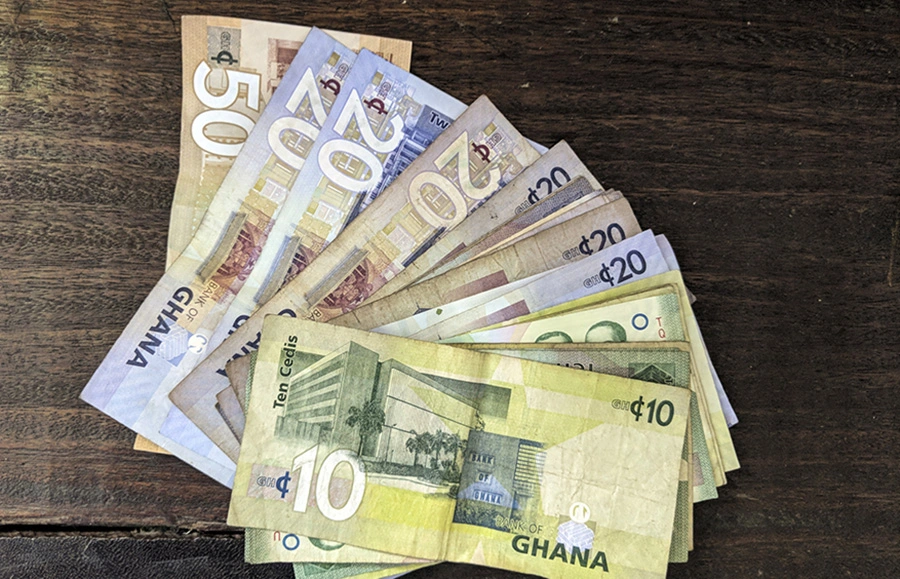
March figures show that Ghana’s inflation rate hit its highest level in more than a decade. This is coming after the country’s central bank raised the interest rate in anticipation of inflation.
Annual inflation surged to 19.4% in March, up from 15.7% in February, Government Statistician Samuel Kobina Annim told Bloomberg.
According to information gathered from the Ghana Central Bank website, the central bank’s inflation target was 8%, but current data shows that the target has been exceeded by 11.4%.
Food-price growth surged to 22.4% year-on-year from 17.4% in February, while non-food inflation accelerated to 17% in March from 14.5% in the previous month.
READ ALSO: Ghana applauds Nigeria’s success story in biotechnology
The faster-than-expected rise comes after the monetary policy committee raised its key rate by 250 basis points last month to combat inflation, and the government implemented spending cuts and enacted a tax on electronic payments to reduce the country’s budget deficit and assuage investor concerns about the country’s fiscal targets’ credibility.
Because real interest rates are currently negative, after turning positive last month when the MPC raised rates, sustained increases in inflation are likely to put pressure on the central bank to raise borrowing costs in May. To encourage investment, Ghana seeks a large difference between its benchmark interest rate and inflation.
The yield on Ghana’s 2026 Eurobond rose marginally to 14.6% by 10:50 a.m. in Accra. The cedi gained 0.1% to 7.5589 per dollar.
The Nigerian currency increased against the Ghanaian Cedi in the first quarter of 2022, despite Ghana’s central bank hiking interest rates to counter shortages created by global tensions in Europe.
The Ghanaian Cedi/Nigerian Naira (GHSNGN) was trading at a 5-year low of 56.895 last week. The Naira has gained roughly 26.69 percent in the last five years, with the most recent decrease occurring this year.
Ghana’s major imports from Ukraine are iron ore and steel, which account for more than 60% of total iron ore and steel imports. As a result, supply disruptions and higher steel and iron ore import prices are almost certain to hit the building industry.


-

 Football4 days ago
Banda, Chawinga make 2026 Women’s Ballon d’Or top 30 shortlist
-

 Latest1 week ago
Cole-Alegbe unveils memoir, urges leaders to harness technology for lasting impact
-

 Featured4 days ago
Peter Obi, Makinde and the 2027 elections: Can unity really challenge APC?
-
 Business5 days ago
Nigeria records N12.59trn trade surplus in Q2 2026 — NBS
-

 Business6 days ago
Nigerian Breweries’ H1 profitability strengthens as revenue hits N804bn
-

 Business1 week ago
Jetour G700 PHEV Storms Abuja as Jetour Nigeria Takes Luxury Mobility Showcase to FCT
-

 Latest6 days ago
Tinubu’s US legal battle: Group questions silence of elder statesmen
-

 Energy3 days ago
Brent crude tops $100: What higher oil prices mean for Nigeria