
Crime
Scammers now using QR codes for fraud, NITDA warns Nigerians

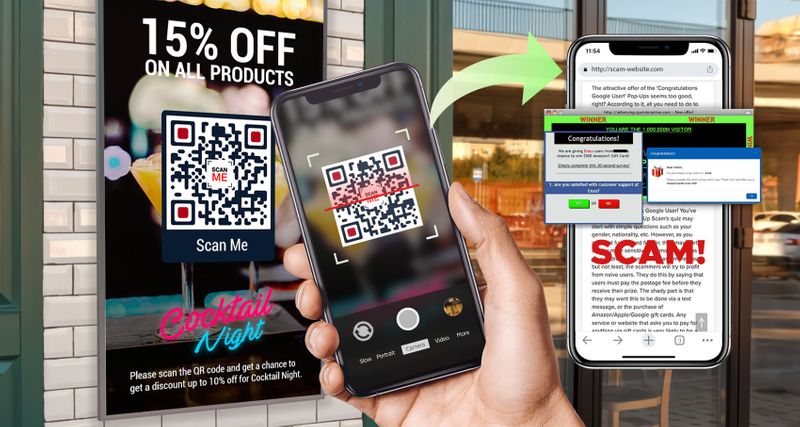
The National Information Technology Development Agency (NITDA) has warned Nigerians to be wary of scanning QR codes as scammers are now using them to defraud users.
The Agency in its latest advisory issued on Saturday said bad actors are now using QR codes for phishing scams, payment fraud, as well as data theft. NITDA said the QR codes are also being used for identity thefts.
A QR code is a machine-readable code consisting of an array of black and white squares, typically used for storing URLs or other information for reading by the camera on a smartphone.
While advising Nigerians to scan QR codes with caution, the Technology Development Agency said:
“QR codes, while fast and convenient for quick access to information and actions, have unfortunately become a tool exploited by scammers for fraudulent activities. These activities take various forms and are designed to lure unsuspecting users into scanning them.
READ ALSO: US Election: Scanners jammed during voting
“The implications of these codes on users vary depending on the approach taken by the Scammer Impact QR codes can be exploited by malicious actors to deceive unsuspecting users and perpetrate fraudulent activities.”
According to NITDA, scammers utilize QR codes in various ways to achieve their nefarious goals. It highlighted the various ways by saying:
“Phishing scammers can generate QR codes that point to malicious applications or phishing websites. Users scan these codes thinking they are genuine and end up having their information stolen.
Scammers can create QR codes that start illicit transactions or reroute payments to their accounts rather than to the intended recipients.
“Threat actors may embed malicious payloads like malware or data-stealing scripts within QR codes. By exploiting security vulnerabilities in users’ devices, they can steal private documents, financial information, and passwords among other sensitive data.
“Users’ personal information, including names, addresses, and contact details can be collected using QR codes inserted in fake advertisements or online surveys. This information can then be exploited for identity theft or other targeted frauds.”
To guard against falling victim to scammers, NITDA advised users of QR codes to be wary of scanning codes from unfamiliar sources or unsolicited messages. It also urged users to verify the legitimacy of QR codes and associated links before scanning them.
According to NITDA, using reputable QR code scanning apps with built-in security features and updating devices with the latest antivirus software and security patches could also help in safeguarding QR code users.


-
 Latest1 week ago
Israel marks 3 years since October 7 Hamas attack amid Gaza strikes, election debate
-

 Energy7 days ago
Fuel Battle: Dangote, marketers and government clash over petrol imports
-

 Latest2 days ago
Full List: Meet the 2026 Nobel Prize winners across six categories
-

 Football1 week ago
Nigeria’s World Cup exit under spotlight as FIFA’s DR Congo files emerge
-

 Latest1 week ago
US Court set to rule on release of FBI, DEA records on Tinubu
-

 Business1 week ago
Nigerian investors at a crossroads as fixed-income yields slide
-

 Latest1 week ago
Oyo APC crisis deepens as Oluyole reconciliation meeting ends in brawl
-
 Featured6 days ago
103 Million Voters: What does INEC’s new register say about Nigeria’s population?