
Business
Naira crosses N2,000 threshold against British Pound

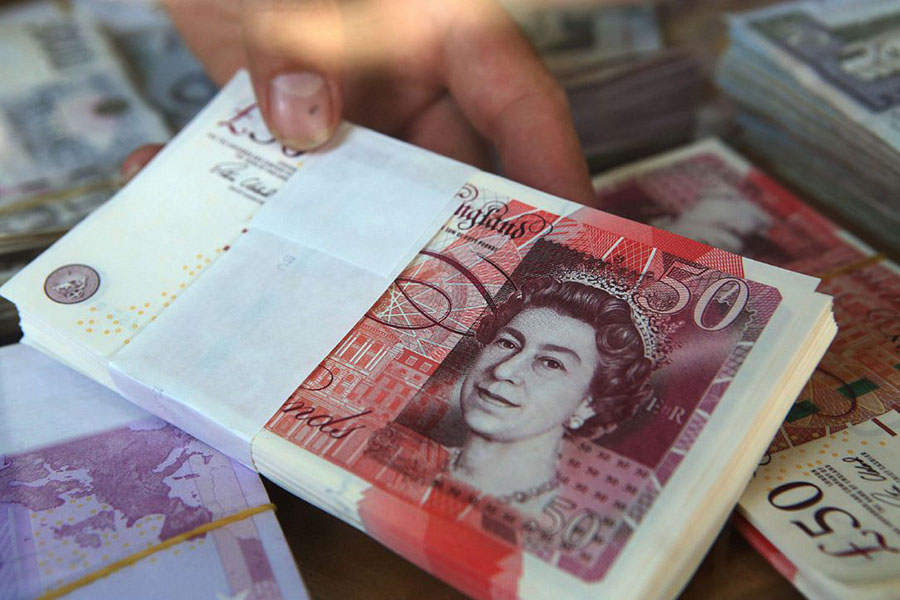
In a concerning development for Nigeria’s currency markets, the Nigerian Naira has surpassed the N2,000 mark against the British Pound, reflecting deepening economic challenges and volatility.
The exchange rate shock came as the Naira plummeted to an all-time low, reaching N2,020 against the Pound Sterling in trading on Thursday morning at major foreign exchange markets in Lagos and Abuja.
The pullback in the naira comes at a time when Nigeria’s reserves reached $35.05 billion as of July 8, 2024, the highest under Tinubu’s presidency.
The depreciation of the naira in NAFEM coincided with a recent increase in price volatility, with the widening exchange rate disparity once again.
The Nigerian currency depreciated by N29 to trade at N1,561/$1 late Wednesday, down from N1,532/$1 on Tuesday, according to data from the Nigerian Autonomous Foreign Exchange Market (NAFEM).
Economists attribute the steep depreciation to a confluence of factors, including persistently high inflation rates, dwindling foreign exchange reserves, and uncertainties surrounding global oil prices—Nigeria’s main export commodity.
“The weakening of the Naira against the Pound is symptomatic of broader economic vulnerabilities exacerbated by external shocks and internal macroeconomic imbalances,” commented Dr. Akin Olakunle, a financial analyst with Lagos Economic Consultancy.
READ ALSO: Naira slumps to N1,523/$1 at official window
The depreciation against the Pound underscores ongoing concerns among investors and stakeholders about the stability of Nigeria’s currency amidst persistent macroeconomic challenges.
Central Bank officials have yet to comment on the latest exchange rate movements, but market analysts anticipate heightened scrutiny over monetary policy interventions in the coming days.
The Naira’s performance against other major currencies has also been under pressure, with the exchange rate against the US Dollar hovering around N550 at parallel markets.
As businesses and consumers grapple with the implications of the Naira’s depreciation, there are calls for proactive measures to stabilize the currency and bolster investor confidence.
Market participants are keenly watching developments, particularly as Nigeria navigates economic reforms aimed at mitigating inflationary pressures and bolstering foreign exchange liquidity.
The Nigerian government continues to emphasize its commitment to economic stability and sustainable growth amidst challenging global economic conditions.
For now, the fluctuating exchange rates serve as a stark reminder of the volatility facing Nigeria’s financial markets and the broader implications for economic policy and stability.


-

 Education5 days ago
University of Ibadan releases 2026/2027 post-UTME screening results
-

 Football5 days ago
Unpaid £185m Club World Cup fund sparks fresh FIFA controversy
-

 Business6 days ago
Information Minister, VON DG to lead ARCON’s 2026 Advertising Industry Colloquium
-

 Aviation6 days ago
Canada issues 10 key tips to help immigration applicants avoid processing delays
-

 Business1 week ago
Cooking gas dealers slash prices amid intensifying market competition
-

 Business4 days ago
Breaking: NNPCL reduces pump price of petrol as competition intensifies
-

 Politics1 week ago
Kenneth Okonkwo questions INEC’s credibility, calls for reforms ahead of 2027 polls
-

 Latest6 days ago
Fubara’s early push for political structure triggered rift – Wike