
Energy
Nigeria faces $11 billion annual power investment gap

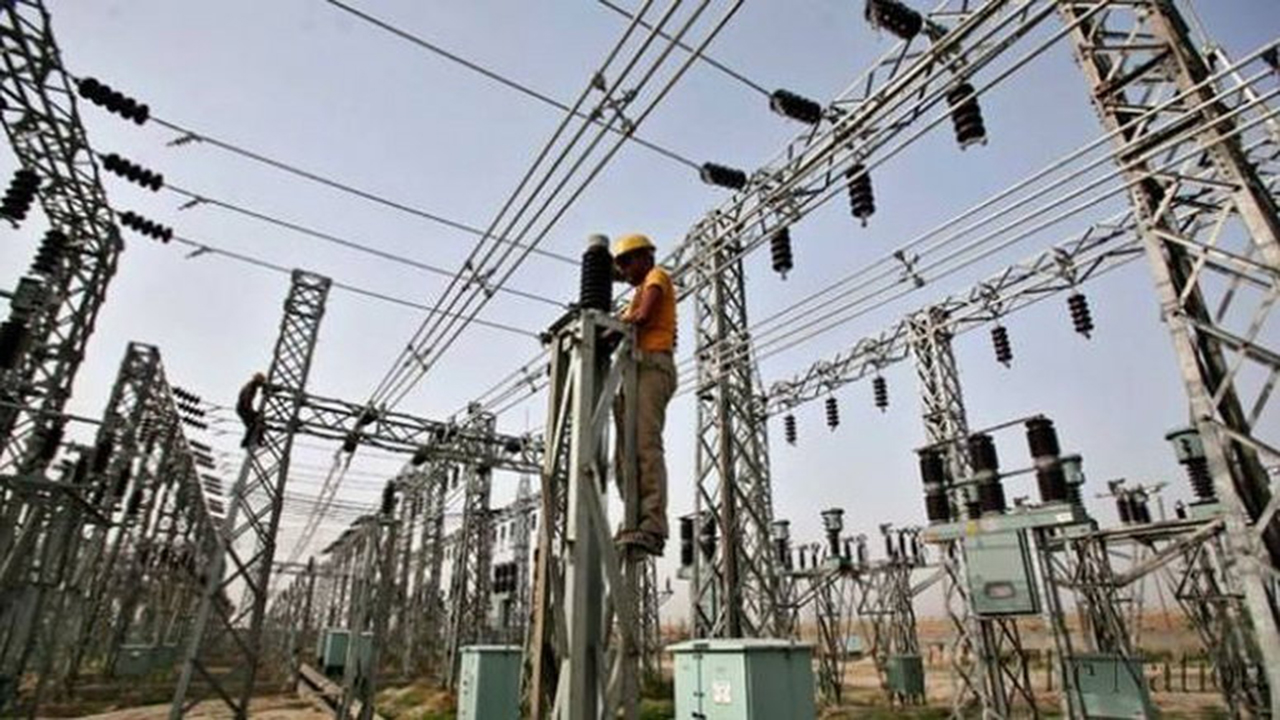
Nigeria requires between $10 billion and $12 billion in annual investment to transform its electricity sector but currently attracts only about $1 billion each year, leaving the country with an estimated $11 billion funding gap, according to the Presidency.
The disclosure was made by the Special Adviser to the President on Power Infrastructure, Sadiq Wanka, during an energy infrastructure forum in Lagos, where he said inadequate investment continues to undermine efforts to achieve reliable electricity supply and support economic growth.
According to Wanka, the country’s persistent electricity challenges stem largely from years of underinvestment across power generation, transmission and distribution infrastructure.
The funding shortfall has contributed to the fragile state of the national grid, which has suffered more than 100 collapses over the past decade. In January alone, the grid reportedly collapsed several times, causing electricity generation to plunge from more than 3,800 megawatts to just 39 megawatts within minutes.
The Nigerian Independent System Operator (NISO) has attributed the recurring grid failures to a combination of ageing transmission infrastructure, inadequate reserve capacity and gas supply constraints affecting power generation companies.
To address the challenges, the Federal Government has introduced a number of reforms under the Electricity Act 2023 aimed at improving the financial sustainability of the power sector and attracting private investment.
As part of the reforms, the government launched Project HOOVER, under which a Series II bond worth about ₦729 billion was issued to settle verified legacy debts owed to electricity generation companies.
The administration has also continued the implementation of cost-reflective electricity tariffs, following the earlier adjustment for Band A customers. Officials say the policy will gradually be extended to other consumer categories while measures are being developed to cushion the impact on low-income households.
In addition, state governments now have greater authority to regulate electricity markets within their jurisdictions, while new regulations permit commercial solar users to supply excess electricity back into the grid through net billing arrangements.
Speaking on the importance of the reforms, Minister of Power Joseph Tegbe said sustainable economic growth depends on a financially viable electricity market capable of attracting long-term investment.
Despite the reforms, unreliable electricity supply continues to place enormous pressure on businesses and households nationwide.
Many manufacturers and small businesses remain heavily dependent on diesel-powered generators, increasing production costs and reducing competitiveness. Households have also turned to petrol generators, battery storage systems and rooftop solar installations to cope with frequent power outages.
In rural communities with limited access to the national grid, off-grid solar projects and mini-grid systems have become increasingly important sources of electricity.
Recent industry reports indicate that Nigeria has become one of Sub-Saharan Africa’s fastest-growing markets for rooftop solar installations. However, energy experts caution that off-grid solutions alone cannot replace the need for a stable national grid capable of supporting industrialisation and large-scale economic development.
Analysts say bridging the annual $11 billion investment gap, improving domestic gas supply, reducing transmission losses and resolving longstanding financial challenges within the electricity value chain will be critical if Nigeria is to achieve stable and reliable power supply.
Until those structural issues are addressed, experts warn that businesses and households will continue to bear the economic burden of unreliable electricity and rising energy costs.


-

 Football1 week ago
Premier League Matchweek 7: Five Fixtures That Could Shape the Weekend
-
 Business7 days ago
Dangote Refinery IPO: 70% Subscription claim meets fourfold demand assertion as investors seek clarity
-

 Latest1 week ago
Umahi defends Lagos-Calabar highway route changes amid public outcry
-
Business1 week ago
Dangote Refinery IPO Extension: Was the 70% subscription report overhyped?
-
 Featured3 days ago
Inside INEC’s race to prepare for Nigeria’s 2027 elections
-

 Latest5 days ago
UCTH faces morgue crisis as 50 unclaimed corpses await mass burial
-

 Business5 days ago
BREAKING: Nigeria’s Inflation Rate Drops to 14.63% in September
-
 Featured1 week ago
El-Rufai, ADC governorship candidate’s court appearance puts Kaduna opposition politics in focus