
Health
Former plant biologist raises concerns over GMO crops risks, regulation

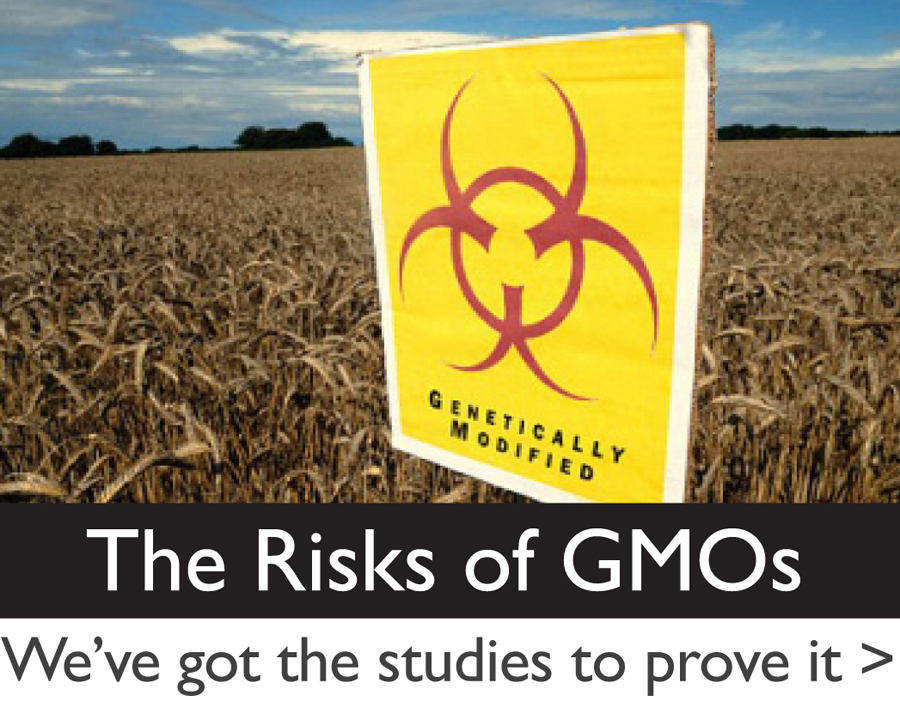
A former plant biologist who was involved in creating genetically modified organisms (GMOs) has voiced concerns about the safety and regulation of GMO crops.
Initially focused solely on scientific research, the biologist observed a shift in the 1990s as commercial interests began to prioritize profit over thorough risk assessment.
Over two decades later, GMO crops like soybeans, corn, and cotton are widely grown, yet concerns persist regarding their potential health and environmental impacts.
The biologist, now more experienced, argues that the complexity of biological organisms is not fully understood, and the current scientific methods may not be sufficient to assess the risks of GMOs accurately.
They criticize the GMO risk assessment process as flawed, citing poorly executed experiments and regulatory bodies overly reliant on the claims of GMO developers.
READ ALSO: Group urges FG to ban GMO seeds amid allegations of foreign conspiracy
Specific concerns include the insecticide-producing Bt plants and herbicide-resistant crops, both of which may pose risks that are not fully understood or communicated.
Moreover, the biologist highlights the presence of viral sequences in most GMOs that were previously thought to be harmless but may in fact produce proteins with unknown effects.
They argue that GMOs have been driven by commercial interests rather than a genuine effort to improve agriculture, resulting in increased seed costs and limited choices for farmers.
“My concerns extend to specific traits in GMOs, such as those engineered to produce their own insecticides or resist herbicides. Bt crops, which contain insecticidal proteins from Bacillus thuringiensis, and herbicide-resistant plants, like those tolerant to glyphosate or glufosinate, pose risks that are not fully understood.
“These chemicals and proteins may have harmful effects on human health and the environment, yet their safety assessments are often lacking.
READ ALSO: Documentary – The GMO Attack on Health
Additionally, many GMOs contain viral sequences like the cauliflower mosaic virus (CaMV) promoter, which were wrongly assumed to be harmless for nearly 20 years. This oversight raises serious concerns about the untested viral proteins potentially being consumed.
The true purpose of GMOs, driven by intellectual property rights and agribusiness interests, is not to feed the world but to control seeds and farming practices. This has led to increased costs and fewer choices for farmers, while also raising broader concerns for consumers and the environment.
“I left scientific research partly because it was difficult to reconcile public skepticism with the need for transparency in science.
“The lack of rigorous scientific scrutiny has allowed GMOs to advance without adequate understanding of their risks, leading to growing public concern. Until the scientific community restores a critical approach to GMO research, skepticism about their safety is justified.


-
 Latest6 days ago
Israel marks 3 years since October 7 Hamas attack amid Gaza strikes, election debate
-

 Energy6 days ago
Fuel Battle: Dangote, marketers and government clash over petrol imports
-

 Energy1 week ago
Petrol, diesel prices rise 86% in 2026 as costs hit fresh highs
-

 Football7 days ago
Nigeria’s World Cup exit under spotlight as FIFA’s DR Congo files emerge
-

 Energy1 week ago
Has Iran lost control of the Strait of Hormuz? Oil flows rebound as war disruptions persist
-

 Latest7 days ago
US Court set to rule on release of FBI, DEA records on Tinubu
-

 Latest17 hours ago
Full List: Meet the 2026 Nobel Prize winners across six categories
-

 Business7 days ago
Nigerian investors at a crossroads as fixed-income yields slide