
Business
Nigerian Banks navigate new policy hurdles with strong financial backbone

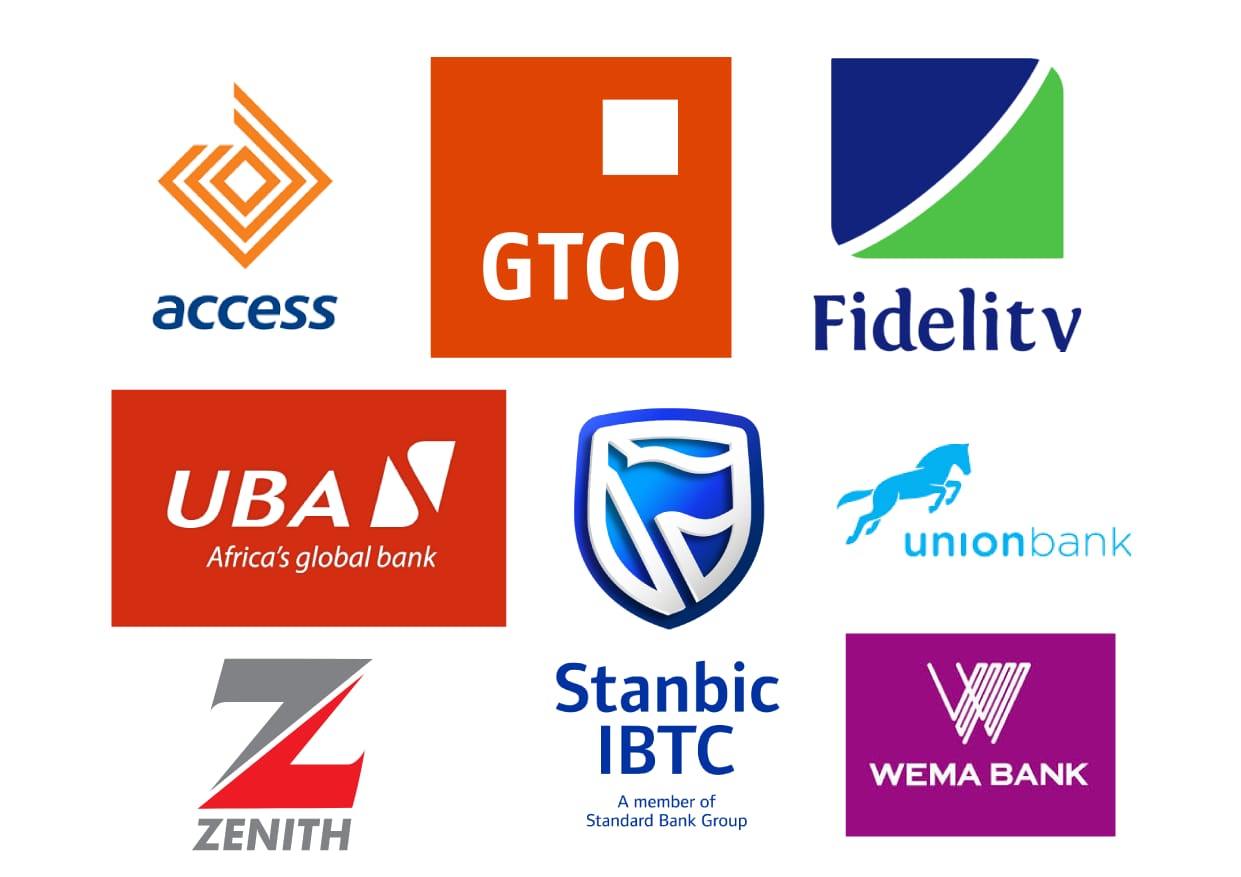
Recent policy changes in Nigeria’s banking sector, including revised capital requirements by the Central Bank of Nigeria (CBN) and a proposed windfall tax, have raised concerns among investors about the sector’s stability.
However, data suggests that Nigerian banks are well-positioned to navigate these challenges due to their strong financial performance and growth prospects.
In March 2024, the CBN increased the minimum capital requirements for commercial, merchant, and non-interest banks.
Following this, on July 17, 2024, the Federal Government introduced an executive bill proposing a 70% windfall tax on profits from foreign exchange (FX) transactions for the 2023 financial year.
This tax hike has sparked debate about its potential impact on banks’ efforts to raise over N4 trillion to meet the new capital requirements.
Some analysts, like those from KPMG, have expressed concerns about the possibility of double taxation, as banks have already paid a 30% income tax on these profits.
READ ALSO: CBN approves Unity, Providus Banks merger
They emphasized the need for clarity to avoid taxing the same income twice. The US-based Emerging & Frontier Capital also warned that the windfall tax could negatively affect the banking sector by conflicting with the CBN’s capital-raising mandate.
Despite these challenges, key figures in the banking sector, including FBN Holdings Chairman Femi Otedola and United Bank for Africa Chairman Tony Elumelu, have voiced support for the tax, seeing it as a necessary step for national development.
A review of the financial statements of ten major Nigerian banks—including Access Bank, FBN Holdings, and GTCO—reveals a strong financial performance. In 2023, these banks achieved a 101% year-on-year growth in gross earnings, reaching N11.603 trillion.
Interest income, which constitutes 59% of total gross earnings, saw an 84% increase, reflecting the robust growth of their lending operations.
Foreign exchange gains, amounting to N2.831 trillion in 2023, represent 24.40% of total gross earnings. While the windfall tax on these gains would impact profitability, the banks’ solid income from traditional banking activities provides a buffer.
Overall, the diversified income streams and strategic capital deployment suggest that Nigerian banks can manage the additional tax liabilities while maintaining financial stability.
The ongoing efforts to raise capital are expected to further bolster interest income and fee-based revenue, ensuring that the sector remains resilient in the face of these new challenges.


-
 Latest6 days ago
Israel marks 3 years since October 7 Hamas attack amid Gaza strikes, election debate
-

 Energy6 days ago
Fuel Battle: Dangote, marketers and government clash over petrol imports
-

 Energy1 week ago
Petrol, diesel prices rise 86% in 2026 as costs hit fresh highs
-

 Football7 days ago
Nigeria’s World Cup exit under spotlight as FIFA’s DR Congo files emerge
-

 Energy1 week ago
Has Iran lost control of the Strait of Hormuz? Oil flows rebound as war disruptions persist
-

 Latest7 days ago
US Court set to rule on release of FBI, DEA records on Tinubu
-

 Latest19 hours ago
Full List: Meet the 2026 Nobel Prize winners across six categories
-

 Business7 days ago
Nigerian investors at a crossroads as fixed-income yields slide