
Health
Concerns grow over GMO crops in Africa amidst health, environmental, economic risks

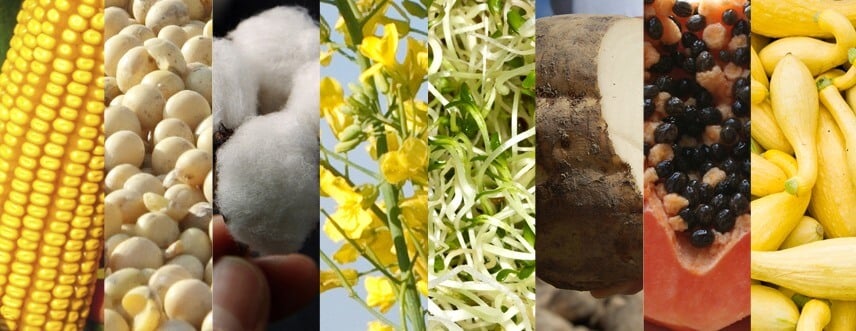
The use of Genetically Modified Organisms (GMOs) in agriculture has ignited widespread debate, with particular concern over their impact on Africa’s farming practices.
While advocates claim GMOs can boost food security by increasing crop yields and pest resistance, there are significant reasons why African nations should be wary of adopting these genetically engineered crops.
Health Concerns:
One of the major worries about GMOs is their potential impact on human health. Although research on the long-term effects of consuming GMO foods is still inconclusive, some studies have raised concerns about possible risks, including allergies, antibiotic resistance, and other unforeseen health issues.
In many African countries, where regulatory oversight might not be as stringent, these health risks could go unchecked.
Environmental Impact:
GMOs are designed to resist pests and diseases, which may seem beneficial at first. However, this resistance can lead to the development of “super pests” and “super weeds” that are difficult to manage, requiring the use of stronger, potentially harmful chemicals.
READ ALSO: Former plant biologist raises concerns over GMO crops risks, regulation
Additionally, the adoption of GMO crops often results in reduced biodiversity, as traditional and local crop varieties are replaced by genetically modified alternatives. This loss of biodiversity can threaten food security, particularly in regions where diverse crop varieties are essential for adapting to climate change.
Economic Dependence:
The economic implications for African farmers are another concern. GMO seeds are often patented and sold by multinational corporations, forcing farmers to purchase new seeds each planting season instead of saving seeds from previous harvests.
This practice can drive up costs and create economic dependence on these corporations. For many smallholder farmers in Africa, who operate with limited resources, this dependency could worsen poverty and inequality.
Cultural and Ethical Issues:
Agriculture in Africa is not just an economic activity but is deeply connected to cultural practices and traditional knowledge passed down through generations. The introduction of GMOs could disrupt these traditions and lead to the erosion of indigenous farming knowledge.
READ ALSO: Group urges FG to ban GMO seeds amid allegations of foreign conspiracy
Ethical concerns also arise regarding the manipulation of natural organisms and the potential for unintended consequences that could impact future generations.
Sovereignty and Food Security:
There is also concern that embracing GMOs could jeopardize national sovereignty and food security. Relying on seeds controlled by a few global corporations could leave African nations vulnerable to external forces for their food supply.
This dependency could undermine efforts to achieve food sovereignty, where countries have control over their own food systems, including the protection of local seeds and traditional farming practices.
Alternative Solutions:
Rather than turning to GMO crops, Africa could benefit from improving traditional farming methods, investing in agroecology, and promoting the use of indigenous seeds that are naturally suited to local conditions. Sustainable farming practices, such as crop rotation, organic farming, and integrated pest management, offer the potential to increase productivity without the risks associated with GMOs.
In summary, while GMOs might provide short-term benefits, the potential health, environmental, economic, and cultural risks suggest that African nations should approach their adoption with caution.
Emphasizing sustainable, locally-driven agricultural practices may offer a more reliable path to achieving long-term food security and preserving the continent’s agricultural heritage.


-
 Featured6 days ago
Nigeria’s youth unemployment paradox: Graduates struggle as millions survive in informal jobs
-

 Business6 days ago
Nigerian Banks earn N521.8bn from E-banking, card fees in nine months
-

 Energy6 days ago
Nigeria’s power crisis deepens as ₦639bn unpaid gas debt threatens electricity supply
-

 Latest6 days ago
Dalung claims ‘message from Buhari’s grave’ urges Nigerians to vote Atiku in 2027
-
 Featured5 days ago
Tinubu’s Renewed Hope: Reforms, hardship and the unanswered question of a second term
-

 Business1 week ago
GTCO fashion weekend: As fashion evolves, Nigerian men are rewriting the rules of style
-

 Featured4 days ago
The cost of Renewed Hope: How Nigeria’s economic reforms are reshaping everyday family life
-
 Latest6 days ago
Ondo shuts ponmo processing centre after discovery of human waste