
Business
CBN yields to pressure, lifts currency ban for small imports

By Odunewu Segun
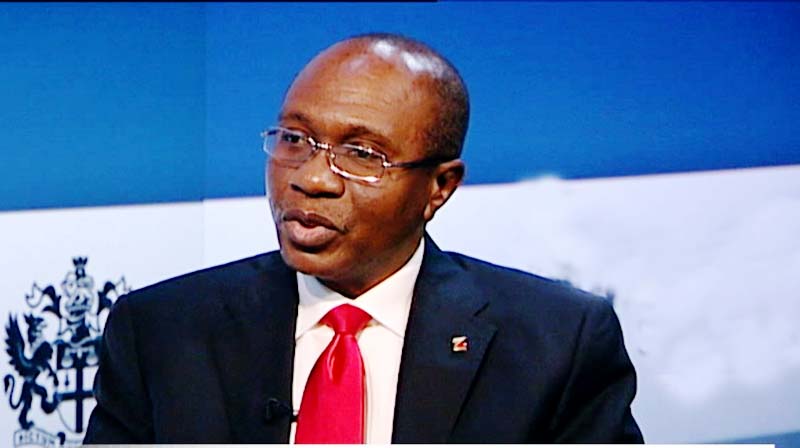
The Central Bank of Nigeria (CBN), has finally lifted the ban on currency allocation for importers bringing in goods worth up to $20,000 per quarter, National Daily has gathered.
In a circular released by the apex bank on Thursday, importers of items classified as not valid for forex with transactions value of $20,000 and below per quarter shall now qualify for allocation of foreign exchange.
The bank in 2015 placed a restriction on 41 items for which importers could no longer get dollars, including rice, toothpicks, cement, private jets, steel products, plastics and rubber, soap, cosmetics, furniture, Indian incense and foreign bonds.
Aimed at conserving its foreign reserves, the move curbed access to dollars for importers bringing in a wide range of goods, helped fuel the currency black market and worsened investor perceptions about policy in Africa’s biggest economy.
Last month the bank cut the amount of paperwork needed for small firms to buy dollars, to ease doing business and help narrow the gap between official and black market exchange rates. It said it will offer them up to $20,000 per quarter.
ALSO SEE: Banks face cash crunch as loans from CBN dwindle
Nigeria introduced capital controls in 2015 after a sharp fall in oil prices caused chronic dollar shortages, weakened its currency and slashed government revenues, tipping the economy into its first recession in a quarter of a century last year.
It subsequently introduced and then abandoned a currency peg and now uses a system of multiple exchange rates which the bank says help it manage “frivolous” dollar demand.
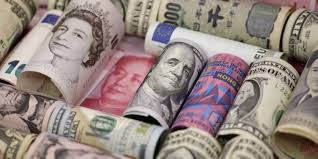
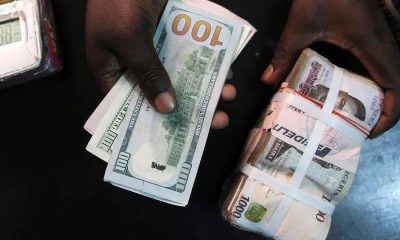
The naira was quoted weaker on Thursday at an investor trading window, at 382.14 per dollar, data from market regulator FMDQ OTC Securities Exchange showed. The official market rate was 305.20 and the black market rate 391.
Vice President Yemi Osinbajo had said on Tuesday that Nigeria aimed to replace the list of 41 import items with more trade policy-driven restrictions taking into account items that are required and locally unavailable raw materials.
The apex bank has pledged to sustain its currency intervention to help narrow the spread between the official and black market rates, its spokesman Isaac Okorafor said.












-
 Latest5 days ago
Israel marks 3 years since October 7 Hamas attack amid Gaza strikes, election debate
-

 Energy5 days ago
Fuel Battle: Dangote, marketers and government clash over petrol imports
-

 Energy6 days ago
Petrol, diesel prices rise 86% in 2026 as costs hit fresh highs
-

 Energy7 days ago
Has Iran lost control of the Strait of Hormuz? Oil flows rebound as war disruptions persist
-

 Football6 days ago
Nigeria’s World Cup exit under spotlight as FIFA’s DR Congo files emerge
-

 Latest6 days ago
US Court set to rule on release of FBI, DEA records on Tinubu
-
 Business6 days ago
Nigerian investors at a crossroads as fixed-income yields slide
-

 Business7 days ago
LoveWorld Trade and Investment Forum to Convene Business Leaders in Accra