
Business
Lagos clarifies ban on single-use plastics, PET bottles, sachet water exempted

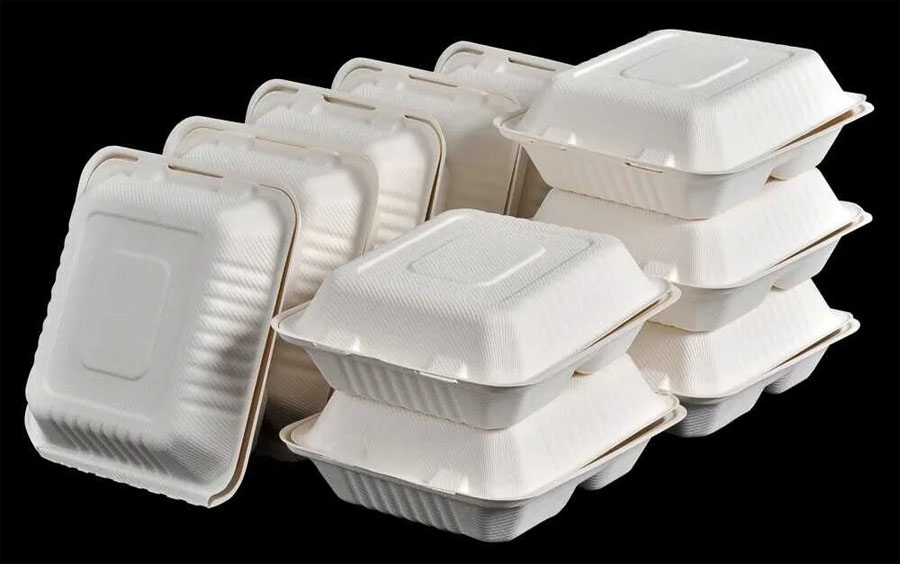
The Lagos State Government has clarified its upcoming ban on single-use plastics and Styrofoam, confirming that PET bottles and sachet water are not included in the restrictions.
Mr. Bankole Michael Omoniyi, Director of Climate Change and Environmental Planning at the Lagos State Ministry of Environment, provided insights during a podcast titled “Understanding the Ban on Single-Use Plastics and Styrofoam (Government Perspective).”
The initiative aims to reduce the environmental impact of plastic waste, particularly in Lagos’s waterways and sensitive ecological areas. “At no point did we say that PET bottles or sachet water were banned,” Omoniyi stated, addressing recent media reports that misrepresented the policy.
Omoniyi explained that extensive research and stakeholder consultations guided the formulation of the ban. Despite climate change challenges, he assured that Lagos is prepared to tackle environmental threats, including the risk of rising sea levels affecting the city by 2050.
The clarification comes amid concerns about improper waste disposal and plastic pollution in Lagos’s water bodies, making it essential to specify which products are subject to the new regulations.
Omoniyi noted the urgent need for improved waste management practices, citing a previous incident in Surulere where plastic waste clogged streets during heavy rain.
READ ALSO: Lagos clarifies Federal High Court judgment on VIO operations
The ban on single-use plastics is part of a broader effort to address the alarming issue of microplastics, which have been found in human blood and fetuses. With Lagos’s reliance on aquatic resources and seafood, the government is prioritizing the risks associated with microplastic ingestion, with Omoniyi warning, “We are not only eating fish, but we are eating microplastics.”
The plastic management policy was developed after extensive consultations with stakeholders in the plastic value chain. Although a bill supporting the ban was presented at the National Council on Environment, a national implementation date was not established, prompting Lagos to proceed independently.
Omoniyi emphasized that the ban has been structured to avoid unnecessary job losses or adverse effects on local businesses. The scope of the banned items has been clearly defined to ensure public understanding.
In conjunction with the ban, the Lagos State Government has introduced an extended producer responsibility (EPR) initiative to promote responsible plastic waste management.
Omoniyi stressed that all stakeholders in the plastic value chain must participate in EPR, which includes either establishing collection centers for recycling or creating a plastic waste management fund.
“This approach empowers stakeholders to manage waste from production without relying solely on government efforts,” Omoniyi explained.


-
 Latest7 days ago
Israel marks 3 years since October 7 Hamas attack amid Gaza strikes, election debate
-

 Energy6 days ago
Fuel Battle: Dangote, marketers and government clash over petrol imports
-
 Energy1 week ago
Petrol, diesel prices rise 86% in 2026 as costs hit fresh highs
-

 Latest1 day ago
Full List: Meet the 2026 Nobel Prize winners across six categories
-

 Football1 week ago
Nigeria’s World Cup exit under spotlight as FIFA’s DR Congo files emerge
-

 Latest1 week ago
US Court set to rule on release of FBI, DEA records on Tinubu
-
 Business1 week ago
Nigerian investors at a crossroads as fixed-income yields slide
-

 Latest1 week ago
Oyo APC crisis deepens as Oluyole reconciliation meeting ends in brawl