
Business
Naira slips further amid Dollar demand, oil export disruptions

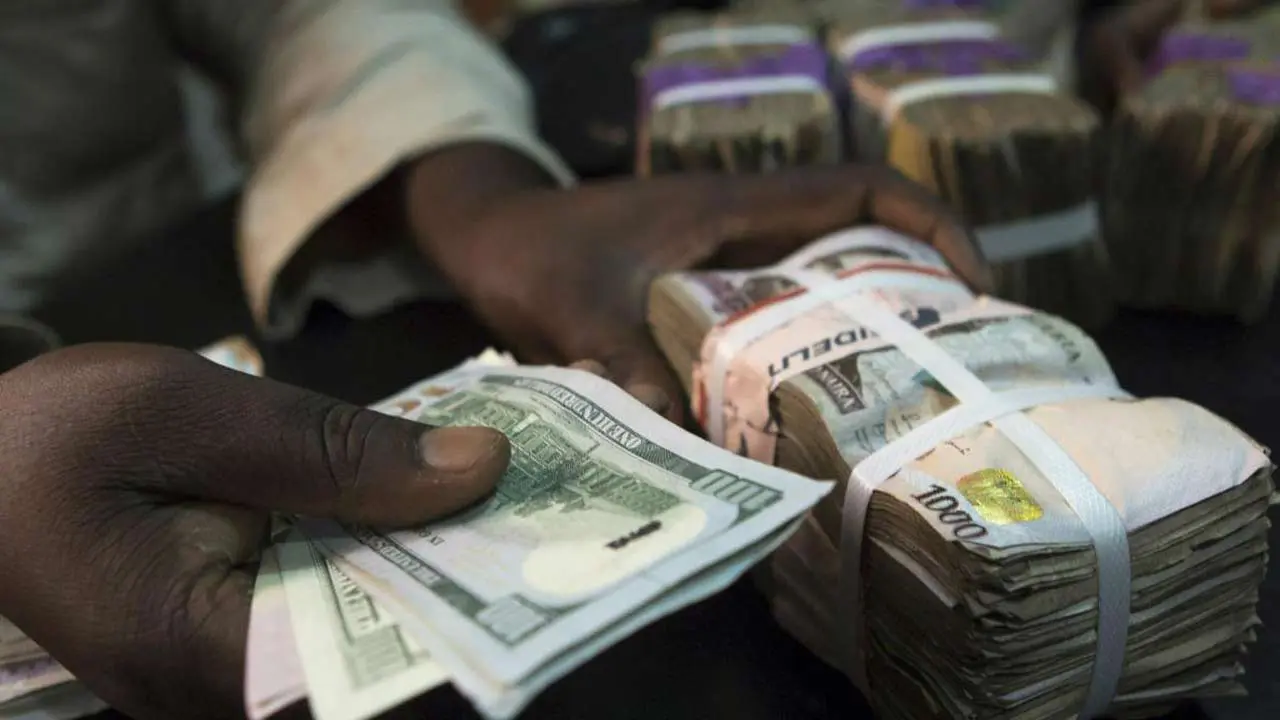
The Nigerian naira weakened against the U.S. dollar for the second consecutive trading session this week, as demand for the greenback surged in both official and parallel markets.
According to data from the Central Bank of Nigeria (CBN), the naira fell by 30 basis points on Tuesday, settling at N1,532.94/$ in the Nigerian Foreign Exchange Market (NFEM), compared to N1,528.03/$ recorded on Monday.
In the parallel market, the naira depreciated further, closing at N1,590/$, weaker than its previous settlement price of N1,575/$ on Monday.
The local currency’s continued decline comes amid fresh uncertainties in Nigeria’s crude oil exports. An explosion recently forced the closure of the Trans Niger Pipeline, one of the country’s crucial oil export routes.
The Trans Niger Pipeline plays a key role in transporting crude from Nigeria’s onshore oilfields to the Bonny export terminal and has a daily capacity of 450,000 barrels. With crude oil exports serving as Nigeria’s primary source of foreign exchange, the shutdown has contributed to increasing pressure on the naira.
Currency traders are also closely monitoring global developments, particularly the upcoming Federal Open Market Committee (FOMC) meeting of the U.S. Federal Reserve, scheduled for Wednesday.
READ ALSO: Analysts weigh in on exchange rate fluctuations as Naira depreciates again
The Fed is widely expected to maintain interest rates at their current level while adjusting its outlook on the economy and future monetary policy. Fed Chair Jerome Powell recently emphasized that the central bank sees “no need to be in a hurry” to alter rates, as policymakers seek “greater clarity” on the economic trajectory.
Meanwhile, concerns persist over the U.S. trade and fiscal policies, particularly those associated with former President Donald Trump’s trade war. Trump had previously imposed a 25% tariff on steel and aluminum imports, which triggered retaliatory measures from the European Union, China, and Canada.
Economists worry that these tariffs could fuel inflationary pressures in the U.S., leading the Federal Reserve to maintain its 4%–4.25% interest rate range, rather than pursue rate cuts.
Elsewhere in global markets, the euro saw renewed strength after the German parliament approved the “debt brake” reform, with 513 MPs voting in favor and 207 against.
This reform, hailed as a crucial fiscal measure, is expected to pave the way for increased public spending and a new European defense community.
Speaking before the Bundestag, conservative leader Friedrich Merz, who is set to take office as Germany’s chancellor at the end of the month, described the reform as “a significant step towards bolstering Europe’s economic resilience and security investments.”
With multiple factors at play—including oil production challenges, global monetary policies, and continued dollar demand—the outlook for the naira remains uncertain.
Investors and financial analysts will be watching closely to see whether the Nigerian government introduces new monetary interventions to stabilize the local currency in the coming weeks.


-

 Business6 days ago
Abuja gears up for Jetour T2’s rugged-luxury experience
-

 Business1 week ago
Nigeria Business Outlook: Dangote IPO, markets, inflation and naira in focus this week
-

 Business7 days ago
Dangote IPO rush crashes Bamboo login as investors flood platform
-

 News4 days ago
UK, Canada pledge closer cooperation on trade, defence and AI
-

 Business5 days ago
Tinubu’s economic reforms face public confidence test as cost-of-living crisis persists
-

 Business5 days ago
Dangote: Petrol price gap fuels smuggling as Nigeria faces fresh pump price surge
-

 Latest1 week ago
Hamzat meets Pastor Chris Oyakhilome, hails Christ Embassy’s community impact
-

 Latest5 days ago
Court sets 7-day window for Atiku to serve Tinubu in 2027 suit