
News
We shouldn’t be swayed solely by negative global statistics – Presidency

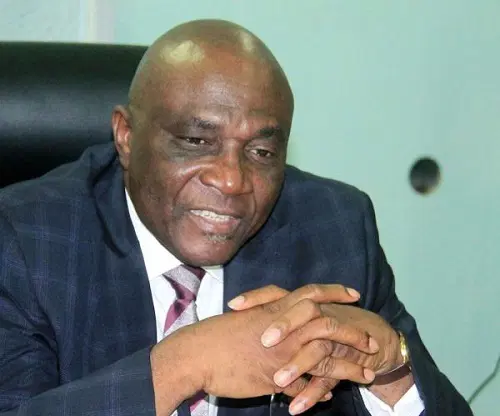
The Presidency has urged Nigerians not to be influenced solely by negative global economic statistics, emphasizing that the reforms initiated by the administration of President Bola Tinubu are already showing signs of positive impact.
Responding to claims that Nigerians have become poorer under the current administration, the Special Adviser to the President on Information and Strategy, Bayo Onanuga, questioned the credibility and context of the data fueling such perceptions.
“We must critically examine the sources of these statistics and the context in which they are presented,” Onanuga said. “Yes, we acknowledge the rise in inflation—this is one of the short-term consequences of bold macroeconomic reforms aimed at repositioning the economy for long-term stability and growth.”
He noted, however, that there are clear indications of progress, citing the recent drop in prices of staple food items such as rice and beans as evidence that government interventions, particularly in agriculture, are beginning to yield results.
Onanuga also highlighted the administration’s support for the most vulnerable segments of the population through initiatives like the Conditional Cash Transfer programme, which currently benefits millions of households.
“These interventions are designed to cushion the immediate effects of economic reforms and ensure that no Nigerian is left behind,” he said.
According to the presidential adviser, the government has significantly scaled up investments in agriculture to drive food production and lower food prices. He also pointed to several key economic indicators that show improvement:
“Inflation is beginning to ease, foreign reserves are growing, trade surpluses are being recorded, and government revenue has increased substantially. Over N6 trillion was generated in the first quarter alone. States are receiving higher allocations, enabling them to meet salary and debt obligations.”
He added that the Nigerian Stock Exchange All-Share Index (ASI) has more than doubled, jumping from 50,000 to over 110,000 points in just two years—a sign of renewed investor confidence. Many companies initially impacted by the reforms, he said, have since bounced back stronger.
ALSO READ: FG defends borrowing plan, claims 10 states involved
Furthermore, Onanuga emphasized that funds previously lost to fuel subsidies and foreign exchange arbitrage are now being redirected toward critical infrastructure projects, including the Sokoto-Badagry and Lagos-Calabar highways—initiatives expected to drive long-term economic growth and job creation.
“While we acknowledge that challenges remain, the government is actively addressing both short-term hardships and long-standing structural issues,” he noted.
He also reiterated that combating poverty and hunger requires collective effort.
“As former President Muhammadu Buhari rightly pointed out, the private sector must partner with the government to reduce poverty. In the spirit of African solidarity, the more privileged should support the less fortunate.”
Onanuga concluded by urging Nigerians to take a balanced view of the country’s economic progress.
“Let us not be swayed solely by negative global statistics. Instead, we must recognize the concrete steps being taken every day to build a stronger, more resilient Nigeria. These reforms are essential for sustainable development, and their benefits are beginning to materialise.”


-

 Football7 days ago
UEFA threatens FIFA World Cup boycott over proposed private investment plan
-

 Business5 days ago
Information Minister, VON DG to lead ARCON’s 2026 Advertising Industry Colloquium
-

 Education3 days ago
University of Ibadan releases 2026/2027 post-UTME screening results
-

 Business6 days ago
Cooking gas dealers slash prices amid intensifying market competition
-

 Aviation5 days ago
Canada issues 10 key tips to help immigration applicants avoid processing delays
-

 Business3 days ago
Breaking: NNPCL reduces pump price of petrol as competition intensifies
-

 Energy7 days ago
Dangote Refinery offers fresh hope for Nigeria’s industrial transformation
-

 Football3 days ago
Unpaid £185m Club World Cup fund sparks fresh FIFA controversy