
Editorial Opinion
Justice Travels, Nigeria Stalls

Simon Ekpa, sentenced by The Päijät-Häme District Court in Finland , a pro-Biafra agitator and former Lahti city councillor, to six years in prison after finding him guilty of terrorism-related offences, aggravated tax fraud, and violations of Finnish law.
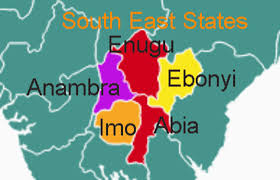
Simon Ekpa, finally met the weight of justice but not in Nigeria, where his fiery rhetoric and unlawful “sit-at-home” orders left a trail of blood and tears across the South-East. Instead, it was a Finnish court, thousands of miles away, that found him guilty of terrorism and tax fraud and sentenced him to six years behind bars.

Simon Ekpa
Pause for reflection. A man instigating violence on Nigerian soil has been punished by a foreign court, while the country most directly harmed continues to flounder. What does this say about the Nigerian judiciary?
For too long, our courts have been synonymous with endless adjournments and technical delays. Terrorism cases drag on for years without resolution. Corruption trials collapse under the weight of technicalities. Politicians and warlords exploit the system with impunity while ordinary Nigerians bear the cost of insecurity and lawlessness. In stark contrast, Finland acted decisively swift in its investigation, clinical in its prosecution, uncompromising in its judgment. No fanfare. No political coloration. No “untouchable” privileges. Just justice, clear and final.
READ ALSO: Simon Ekpa’s conviction: Peter Obi’s silence signals endorsement of terrorism – CSOs
The lesson could not be clearer: Nigeria’s judiciary is failing its people. If a European court can secure justice for offences that have devastated Nigerian communities, why can’t our courts do the same for crimes committed squarely within our borders?
This moment is not only about Simon Ekpa. It is about a broader culture of impunity that thrives because too many offenders know Nigeria’s judicial system lacks both urgency and independence. Judges, prosecutors, and lawmakers must confront this reality. Terrorism and high-profile criminal cases demand special courts, expedited processes, and an uncompromising stance. Justice delayed is not merely justice denied it is justice destroyed, leaving victims without redress and communities without peace.
Nigeria cannot continue outsourcing justice to foreign jurisdictions. Every time an external court delivers verdicts tied to Nigerian crimes, it exposes the weakness of our own institutions. Until our judiciary sheds its cloak of compromise and delay, the rule of law will remain hollow, and criminal actors will remain emboldened.
Finland has shown what a functioning system can achieve. Nigeria must now rise to the challenge. If justice must travel abroad to find its voice, then Nigeria’s sovereignty is little more than silence. If criminals can find safety in our loopholes, then the law is no longer a shield but a sieve. And if we continue to watch while others jail those who wound us, then we are not a nation under law but a people under luck.
It is time for Nigeria’s judiciary to stop watching and start working because justice outsourced is justice lost.










-

 Latest6 days ago
US Immigration fees rise from October 16 as USCIS announces new charges
-
 Latest23 hours ago
Israel marks 3 years since October 7 Hamas attack amid Gaza strikes, election debate
-

 Business6 days ago
Nigeria’s $55bn reserves raise fresh questions over naira value
-

 Health5 days ago
Florida sues Pfizer over deceptive COVID-19 vaccine marketing
-

 Business7 days ago
Tuoyo Erikowa wins digital marketing personality of the Year at 2026 EDGE awards
-

 Crime5 days ago
From camp to captivity: How kidnappers now target NYSC Corps members on highways
-

 Featured6 days ago
2027: Can Nigeria’s opposition still unite behind a single presidential candidate?
-

 Crime5 days ago
Fulani Militia leader linked to Christian killings arrested in Plateau