
Aviation
Federal High Court orders Virgin Atlantic to pay ₦13m over wrongful denial of boarding

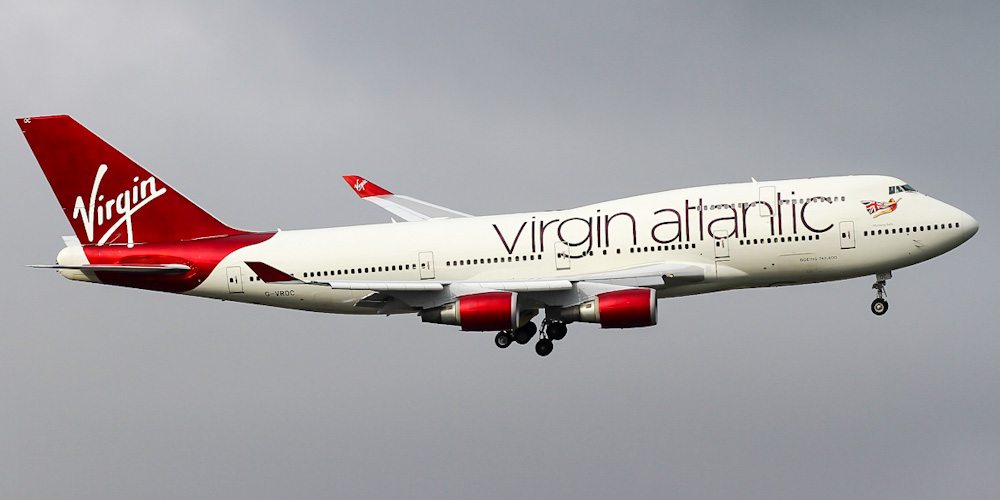
The Federal High Court sitting in Lagos has ordered Virgin Atlantic Airways Limited to pay over ₦13 million in damages and legal costs to a passenger, Mrs. Joy Ezetah, after it found the airline wrongfully denied her boarding on a scheduled Lagos-to-London flight.
Delivering judgment, Justice Ibrahim Kala held that the airline breached its duty of care when it prevented Ezetah from boarding at the Murtala Muhammed International Airport on April 6, 2024, despite her having a valid booking and boarding pass.
The court awarded the claimant $5,906.50 in special damages, converted at the Central Bank of Nigeria exchange rate to about ₦8.07 million, alongside ₦5 million in litigation costs. The judgment sum will also attract 10 percent annual interest until fully paid.
Justice Kala ruled that once Virgin Atlantic accepted the passenger and issued a boarding pass, it assumed responsibility for her safe carriage to her connecting destination, regardless of internal reservation or codeshare issues.
Court filings showed that Mrs. Ezetah had purchased a multi-leg international ticket through Air Canada for a journey from Lagos to Toronto, with the Lagos–London segment operated by Virgin Atlantic under a codeshare arrangement.
She told the court that she completed airport check-in procedures and was issued a physical boarding pass. However, moments before boarding, Virgin Atlantic staff stopped her from travelling, citing an inability to properly verify or synchronize her onward reservation from London to Toronto.
Ezetah said she was forced to abandon her trip and incurred additional costs arranging alternative travel. She later confirmed through Air Canada that her ticket remained valid and her connecting flight arrangements had been in order.
Virgin Atlantic denied liability, arguing that the booking originated from Air Canada and that a system error prevented proper verification of the onward itinerary. The airline maintained that its staff acted appropriately in asking the passenger to resolve the issue with the issuing carrier.
However, Justice Kala rejected the defence, stating that operational or technical challenges within airline systems could not be transferred to passengers once a boarding pass had been issued.
The court also dismissed the airline’s claim that the issue originated from a pre-existing ticketing defect, holding instead that the carrier had a contractual obligation to honour the travel arrangement it had already activated at check-in.
The ruling is expected to reinforce passenger rights in Nigeria’s aviation sector, particularly in cases involving codeshare flights and airline reservation system disputes.


-

 Featured2 days ago
BREAKING NEWS: Shouts of joy rock the world as Pastor Chris opens final Healing Streams edition for 2026
-

 Football3 days ago
Man United shortlist Emery, Nagelsmann as potential replacements for Carrick
-

 Business3 days ago
Hoodlums raid JED Benue office, abduct 10 staff over power dispute
-

 Business6 days ago
Naira faces exchange rate gap as Dollar hits N1,380 on parallel market
-

 Football3 days ago
Aston Villa ready to freeze out Garnacho to avoid £43m Chelsea transfer
-

 Business3 days ago
EV adoption: Roxettes seeks cheaper financing, local manufacturing incentives
-

 Latest3 days ago
Akpabio tasks Tompolo-backed movement with spreading Tinubu’s renewed hope message
-

 Business3 days ago
Naira suffers biggest daily drop in 18 months, falls to N1,365/$