
Football
Inside Gusau’s ‘rotten’ NFF, by Patrick Omorodion

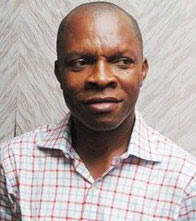
Calls for the resignation of the Nigeria Football Federation leadership have intensified, with several football stakeholders questioning the administration of NFF president Ibrahim Musa Gusau and urging the board not to seek another term.
Mainstream and social media platforms have been awash with criticism of the outgoing NFF board, with prominent stakeholders including Chief Segun Odegbami, Dr Danladi Bako, Barrister Godwin Dudu-Orumen, Sporting Vanguard editor Tony Ubani and London-based football governance campaigner Osasu Obayiuwana among those demanding greater accountability from the federation.
READ ALSO: Kane becomes first Englishman to win Germany’s Footballer of the Year award
Obayiuwana, a former BBC sports correspondent who has served on NFF committees, said he had become frustrated by years of unresolved governance issues within Nigerian football.
As a member of the NFF Governance Reform Committee between 2018 and 2020, he said he made recommendations aimed at improving the federation but alleged that they were ignored.
He recalled that the committee struggled for months to obtain the NFF’s organisational structure, describing the document eventually provided as inadequate.
According to Obayiuwana, the experience raised serious questions about the federation’s administrative structure and governance.
He also criticised the NFF’s handling of technical personnel, citing complaints from former Super Falcons assistant coach Justin Madugu and technical director Austin Eguavoen about difficulties encountered while working with the federation.
Madugu has spoken about challenges within the women’s national team setup, while Eguavoen has complained about inadequate support for his responsibilities as technical director.
Obayiuwana questioned why some of the grievances were not made public earlier, arguing that football officials and technical personnel must be willing to speak out when their professional responsibilities are undermined.
He also recalled a conversation with Gusau during the 2024 Africa Cup of Nations in Côte d’Ivoire, when the NFF president questioned why he criticised the federation publicly rather than privately.
Obayiuwana said he reminded Gusau that, as a journalist and governance analyst, it was his responsibility to raise issues affecting Nigerian football for public scrutiny.
He maintained that Nigeria has enough qualified professionals capable of running football effectively but argued that structural reforms are necessary to establish merit, competence and integrity within the federation.
Financial questions
Another football stakeholder, Sylvanus Ofekun, also questioned the financial management of the Gusau administration.
Ofekun argued that the current NFF board had received significant financial support from the Federal Government, FIFA, CAF and sponsors but claimed that the results on the pitch had not reflected the scale of the funding.
He cited the ₦17 billion released to the federation in January 2024, alongside other intervention funds, FIFA Forward allocations, CAF grants and sponsorship revenues.
Despite the reported inflows, Ofekun pointed to Nigeria’s failure to qualify for recent World Cups, the absence of age-grade teams from major competitions and reported problems with national-team camps and payments to players and officials.
He also referenced the dispute between the Super Falcons and the NFF over unpaid bonuses and entitlements, which has reached the Court of Arbitration for Sport.
Calls for accountability
The criticism has also revived comparisons with the 2005 NFF administration led by Alhaji Ibrahim Galadima.
Galadima was removed after the Super Eagles failed to qualify for the 2006 World Cup, despite the absence of the financial controversies now being alleged against the current administration.
Critics argue that the NFF should therefore be held to the same, or even higher, standards of accountability after Nigeria’s recent struggles at international level.
With questions surrounding the federation’s finances, governance and sporting performance, the debate over Gusau’s future is likely to intensify ahead of the next NFF election.
For the critics, the central question is no longer simply whether the current leadership deserves another term, but whether Nigerian football can recover without fundamental changes to the way the federation is governed.


-

 Latest7 days ago
US Immigration fees rise from October 16 as USCIS announces new charges
-
 Latest2 days ago
Israel marks 3 years since October 7 Hamas attack amid Gaza strikes, election debate
-
 Business6 days ago
Nigeria’s $55bn reserves raise fresh questions over naira value
-
 Health6 days ago
Florida sues Pfizer over deceptive COVID-19 vaccine marketing
-

 Business1 week ago
Tuoyo Erikowa wins digital marketing personality of the Year at 2026 EDGE awards
-
 Crime6 days ago
From camp to captivity: How kidnappers now target NYSC Corps members on highways
-
 Featured7 days ago
2027: Can Nigeria’s opposition still unite behind a single presidential candidate?
-
 Crime6 days ago
Fulani Militia leader linked to Christian killings arrested in Plateau