
Latest
Obi’s blocked Makurdi visit raises fresh fears over 2027 political violence

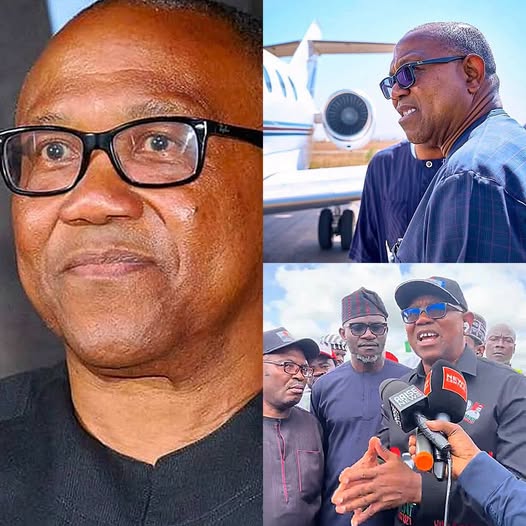
The disruption of a planned visit by the 2023 Labour Party presidential candidate, Peter Obi, to Yelwata in Benue State has triggered concerns over the growing threat of political violence ahead of the 2027 general elections.
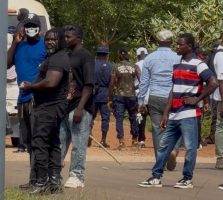
Obi was reportedly prevented from proceeding to Yelwata, Makurdi, on Tuesday after groups of youths allegedly blocked roads leading to the area. The development has generated criticism, with concerns that the use of crowds or political supporters to obstruct opposition figures could undermine democratic participation.
Reacting to the incident, critics described the action as a warning sign as political activities begin to gather momentum ahead of the 2027 elections. They argued that political disagreements should be settled through debate and the ballot box rather than intimidation or physical obstruction.
The incident has also raised questions over the explanation offered by the Benue State Government that Obi did not notify the state authorities of his visit.
According to the account circulated by Obi’s supporters, the National Democratic Congress (NDC) had written to the Commissioner of Police notifying the police of the planned visit.
READ ALSO; Peter Obi, Makinde and the 2027 elections: Can unity really challenge APC?
The controversy has consequently shifted attention to the issue of whether politicians require approval from state authorities to visit communities for political or other legitimate engagements.
Political analysts said the episode should be treated seriously regardless of the political affiliations of those involved.
A political scientist, Dr. Adebayo Adekunle, said preventing a political candidate from accessing a community could create a dangerous precedent if such actions become normalised.
“Democracy depends on the ability of political actors to engage citizens freely. Once political opponents begin to be physically prevented from entering communities, the electoral environment becomes vulnerable to escalation,” he said.
Similarly, Dr. Muda Yusuf, an economic and public policy analyst, said political actors and governments have a responsibility to prevent the emergence of a culture in which organised groups are used to intimidate opponents.
He noted that the consequences could extend beyond individual political disputes because retaliatory mobilisation could quickly turn isolated confrontations into wider violence.
The concern is particularly significant given Nigeria’s history of election-related violence and the intense competition expected ahead of the 2027 polls.

Analysts therefore urged security agencies to investigate the circumstances surrounding Tuesday’s incident, identify those responsible for any unlawful obstruction and ensure that political activities are conducted peacefully.
They also called on political parties and their supporters to reject the mobilisation of youths for intimidation or confrontation, warning that a strategy deployed against one political opponent could eventually be turned against another.
For Obi, who has consistently campaigned on the need for peaceful political engagement, the incident has renewed concerns about the ability of opposition politicians to freely interact with voters across the country.
As preparations for 2027 intensify, stakeholders say preserving political tolerance, freedom of movement and peaceful competition will be critical to preventing isolated confrontations from developing into a broader threat to Nigeria’s democratic process.


-

 Featured1 day ago
BREAKING NEWS: Shouts of joy rock the world as Pastor Chris opens final Healing Streams edition for 2026
-

 Business5 days ago
Naira faces exchange rate gap as Dollar hits N1,380 on parallel market
-

 Football2 days ago
Man United shortlist Emery, Nagelsmann as potential replacements for Carrick
-

 Business2 days ago
Hoodlums raid JED Benue office, abduct 10 staff over power dispute
-

 Football2 days ago
Aston Villa ready to freeze out Garnacho to avoid £43m Chelsea transfer
-

 Business1 week ago
NCC launches Internet Governance Working Group to tackle AI risks, boost online safety
-

 Business2 days ago
EV adoption: Roxettes seeks cheaper financing, local manufacturing incentives
-

 Latest2 days ago
Akpabio tasks Tompolo-backed movement with spreading Tinubu’s renewed hope message