
Business
August inflation faces upward pressure despite disinflation trend – Analysts

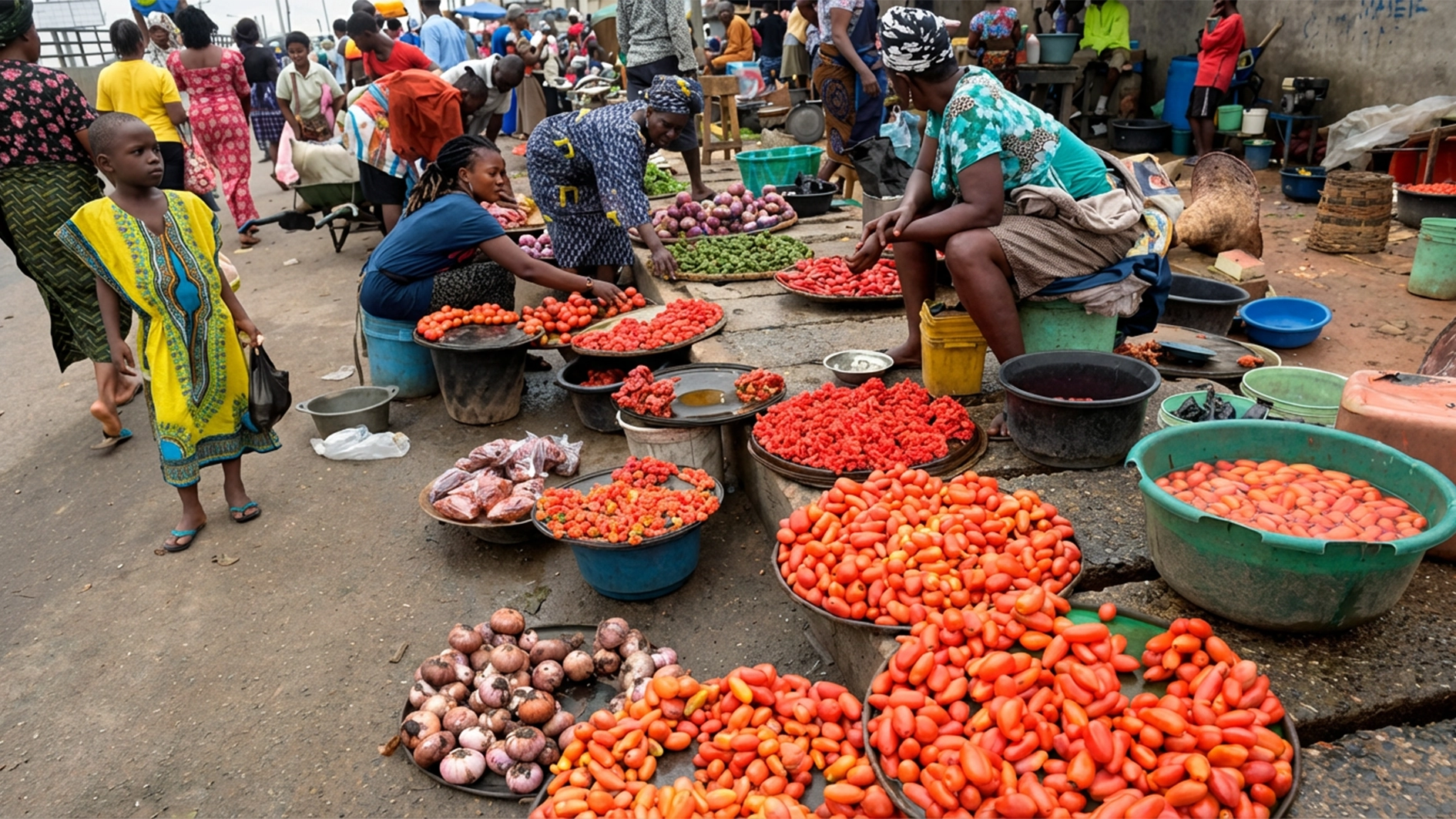
Nigeria’s headline inflation rate could edge higher in August despite two consecutive months of disinflation, as analysts forecast a rate between 15.3 percent and 15.94 per cent, compared with 15.43 per cent recorded in July.
Analysts said the expected increase may largely reflect base effects and persistent food and energy costs rather than a renewed acceleration in monthly price pressures.
While the main harvest season could ease food prices, elevated petrol and diesel costs are expected to continue driving transportation, production and distribution expenses.
Dr Ayodeji Ebo, Chief Executive Officer of MDU Capital Limited, projected August headline inflation at about 15.6 per cent year-on-year, slightly above July’s 15.43 per cent.
Ebo said the harvest season could provide some relief to food prices but warned that the benefit could be limited by high petrol and diesel prices.
“Food inflation should therefore remain the principal pressure point, while headline inflation may record a marginal increase,” he said.
Damilare Asimiyu, Head of Research at FSDH Group, offered the highest forecast, projecting headline inflation at 15.94 per cent.
According to him, the increase would be driven largely by the base-year effect, even though the monthly pace of price increases could moderate.
READ ALSO; Nigeria Business Outlook: Dangote IPO, markets, inflation and naira in focus this week
FSDH expects monthly headline inflation to slow to 1.57 per cent, from 1.66 per cent in July.
Food inflation is projected to rise marginally to 20.49 per cent year-on-year, from 20.31 per cent in July, while monthly food inflation could ease to 1.80 per cent as supplies of tubers, vegetables and other staples improve during the harvest season.
FSDH also expects core inflation to moderate further to 14.68 per cent, supported partly by relative stability in the naira exchange rate.
Kehinde Jones, Head of Research and Strategy at Anchoria Capital Group, expects a more favourable outcome, forecasting headline inflation at 15.3 per cent in August.
He said core inflation could ease to 14.97 per cent, with relatively stable exchange-rate conditions supporting the continuing disinflation trend.
However, Jones warned that food prices, energy costs and seasonal demand could generate renewed upward pressure towards the end of the year.
Anchoria projects headline inflation at about 15.5 per cent by December 2026.
Food inflation remains a major concern, having risen continuously since February and reaching 20.31 per cent year-on-year in July, its highest level in 11 months.
Monthly food inflation also jumped to 5.56 per cent in July.
Analysts expect the main harvest season to increase supplies and gradually ease food prices, although the impact may not be immediate because of distribution challenges and the lag between harvesting and market availability.
The August inflation data will therefore provide an important test of whether increased food supply can offset persistent energy and transportation costs.
Economists said continued moderation in underlying price pressures could give the Central Bank of Nigeria (CBN) greater room to maintain a cautious approach to monetary easing, while sustained disinflation could gradually support household purchasing power, economic activity and equity-market valuations.


-

 Football1 week ago
Banda, Chawinga make 2026 Women’s Ballon d’Or top 30 shortlist
-

 Trending Stories5 days ago
Davido, Wizkid, Burna Boy or Asake: Who is having the biggest 2026 so far?
-

 Featured1 week ago
Peter Obi, Makinde and the 2027 elections: Can unity really challenge APC?
-

 Football5 days ago
Premier League releases 2026/27 festive fixtures, 7 matches set for Boxing Day
-

 Business3 days ago
Jetour Nigeria, dealers take dashing, other models to Abuja Experience
-

 Business4 days ago
Dangote Refinery IPO shifts spotlight to corporate governance, investor protection
-

 Crime4 days ago
Anambra Police arrest mother over alleged child sexual exploitation
-

 Energy6 days ago
Brent crude tops $100: What higher oil prices mean for Nigeria