
Latest
CAfPRA opposes Nutritionists Council Bill, cites threat to indigenous food knowledge

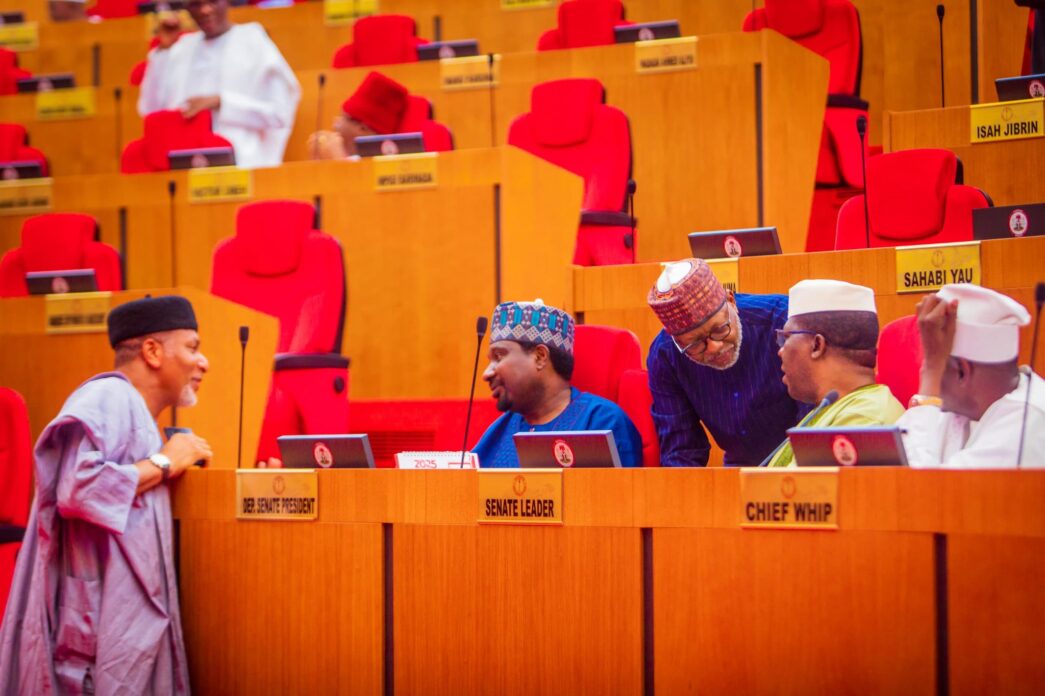
The Centre for African Policy Research and Advisory (CAfPRA) has opposed the proposed establishment of the Nutritionists Registration Council of Nigeria, warning that the bill could marginalise indigenous food knowledge and expose traditional nutritional practices to criminalisation.
The think tank, however, said it supports professional standards for university-trained nutritionists, provided the proposed regulatory council is converted into an association and appropriate safeguards are introduced to protect Nigeria’s traditional food systems.
In a memorandum dated October 20, 2026, and submitted to the National Assembly Committee on Nutrition and Food Security, CAfPRA Executive Director, Dr. Segun Adebayo, urged lawmakers to amend the bill sponsored by Hon. Chike John Okafor.
Adebayo argued that nutrition in Africa predates formal university education and is deeply rooted in family traditions, local cuisines, seasonal knowledge and community practices that have sustained generations.
He warned that creating an exclusive legal framework for nutrition practitioners without protecting these traditions could undermine cultural heritage and food sovereignty.
According to the think tank, Sections 23, 27, 28 and 30 of the proposed legislation prescribe penalties for unregistered practice, unapproved training and the employment of unregistered practitioners, without explicitly exempting traditional knowledge holders or family-based nutritional guidance.
READ ALSO; Food Security at Risk as Insecurity Disrupts Farming Activities in Nigeria
It also raised concerns that the bill fails to define the “practice of nutrition”, potentially giving the proposed council broad discretion to determine which activities constitute unlawful practice.
CAfPRA further warned that provisions allowing the council to approve institutions within and outside Nigeria, recognise foreign qualifications and collaborate with international organisations could expose professional standards and curricula to external influence.
The organisation said the legislation does not explicitly require the proposed council to prioritise African food systems, indigenous knowledge, local cuisines or regenerative agriculture in developing standards and public education programmes.
It also criticised the proposed governing board’s composition, noting that traditional knowledge holders, agroecological practitioners and community-based food and nutrition advocates were not represented.
On funding, the think tank expressed concern over provisions allowing grants, endowments and donations without specific restrictions on foreign contributions. It urged lawmakers to introduce safeguards to protect the council’s independence and ensure that external funding does not compromise national food sovereignty objectives.
Among its recommendations, CAfPRA called for a clear provision protecting indigenous, traditional, cultural and family-based nutritional knowledge from the bill’s proposed offences.
It also urged lawmakers to ensure that professional standards and curricula reflect African food systems, while providing formal representation or advisory roles for traditional knowledge holders and agroecological practitioners.
The organisation further recommended transparent local reviews of foreign partnerships, standards, curricula and funding arrangements, alongside clearer provisions distinguishing formal professional practice from longstanding community traditions.
“CAfPRA does not oppose the establishment of professional standards for university-trained nutritionists. We oppose a legal monopoly that, by omission, places Africa’s age-long nutritional heritage at risk of marginalisation or criminalisation,” Adebayo said in the memorandum.
He urged the National Assembly committee to amend the bill to ensure that professional regulation can coexist with the protection of Nigeria’s cultural and nutritional heritage.
The proposed legislation is intended to establish a statutory framework for regulating nutritionists in Nigeria, including professional registration, accreditation, training standards and disciplinary procedures.


-

 Featured5 days ago
Inside INEC’s race to prepare for Nigeria’s 2027 elections
-
 Featured5 days ago
2027: APC unveils nationwide campaign timetable, Tinubu to rally in 12 states
-

 Latest1 week ago
UCTH faces morgue crisis as 50 unclaimed corpses await mass burial
-
 Business7 days ago
BREAKING: Nigeria’s Inflation Rate Drops to 14.63% in September
-
 Business6 days ago
President Tinubu and the Low Transport Fares Fiasco
-

 Business5 days ago
Court dismisses ₦170m Trade Fair contract claim, says Zenith Bank was not a party
-

 Business2 days ago
Naira faces exchange rate gap as Dollar hits N1,380 on parallel market
-

 Latest5 days ago
Breaking: NNPCL raises petrol price to ₦1,405 per litre amid discount controversy