
Business
Global oil market faces potential surplus despite Middle East conflict

By Diden Abigail Owuntarose
The global oil market is showing signs of a potential surplus as recovering crude supplies from the Middle East, increased production from other regions and weakening demand push oil availability above consumption levels.
The development comes despite continued geopolitical tensions and disruptions linked to the conflict involving Iran, which previously triggered significant supply shortages and increased international oil prices.
JPMorgan estimated that the global oil market returned to a surplus of 1.1 million barrels per day in September, widening to 1.4 million barrels per day in October. The estimates suggest that supply recovery is gradually reversing the shortages experienced earlier in the year.
Goldman Sachs, however, described the market as broadly balanced during September and October, highlighting differences in assessments of the extent of the emerging surplus.
The recovery in Middle Eastern exports has contributed significantly to the changing market outlook. Crude and condensate exports from the Gulf averaged approximately 14 million barrels per day in October, representing about 86 per cent of pre-conflict levels.
Meanwhile, production increases from countries including the United States, Brazil, Canada and Guyana have added to global supplies.
However, demand remains under pressure as elevated fuel prices and economic uncertainty continue to discourage consumption in several markets.
JPMorgan estimated global oil demand had declined by approximately 3.3 million barrels per day since the beginning of the conflict, reflecting the impact of high prices and supply disruptions.
READ ALSO; Paraguay in turmoil as president resigns over bank crisis
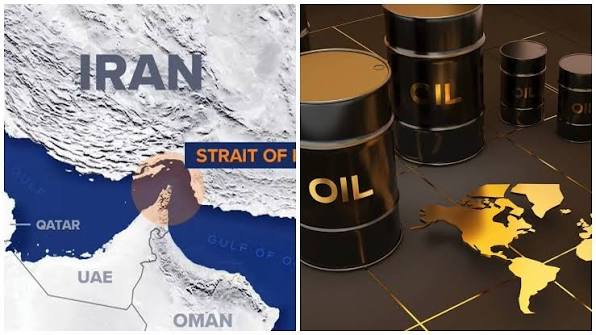
Despite the growing availability of crude, the market remains vulnerable to further disruptions. Shipping risks around the Strait of Hormuz, damaged refining infrastructure and elevated transportation costs continue to complicate the recovery.
Analysts warn that a lasting reduction in Middle East tensions could further increase oil supplies as producers restore exports and compete for market share.
Conversely, renewed conflict, stronger demand or additional supply disruptions could limit the extent of any surplus and support prices.
For Nigeria, the changing outlook presents both opportunities and risks. As a major crude oil exporter, the country could face reduced export earnings if international prices decline significantly, potentially affecting foreign exchange inflows and government revenue.
However, lower crude prices could also ease domestic fuel costs and inflationary pressures, depending on exchange-rate movements, domestic refining conditions and the transmission of international prices into local markets.
The outlook underscores the importance of Nigeria strengthening its non-oil revenue base and improving domestic refining capacity to reduce vulnerability to fluctuations in global crude prices


-

 Business5 days ago
OPay explains how Nigerians can access FG’s N50,000 monthly cash relief
-

 Crime1 week ago
Cocaine in their bellies: NDLEA arrests two Nigerians bound for Paris [VIDEO]
-

 Latest1 week ago
Nathaniel Bassey hits 1bn YouTube views, sets African gospel music record
-

 Featured1 week ago
APC, Atiku clash over Tinubu’s power sector reforms ahead of 2027 elections
-

 Latest1 week ago
Tinubu wins US Court ruling as Judge rejects Greenspan’s evidence request
-
Latest1 week ago
Atiku Slams Tinubu over power crisis, says Nigerians need electricity, not excuses
-

 Business7 days ago
Petrol prices set to drop as Dangote Refinery cuts gantry rate to N1,215
-

 Features3 days ago
How ADC leadership crisis put Atiku’s 2027 ambition at risk