
Business
Factors behind Nigeria’s foreign reserves rise

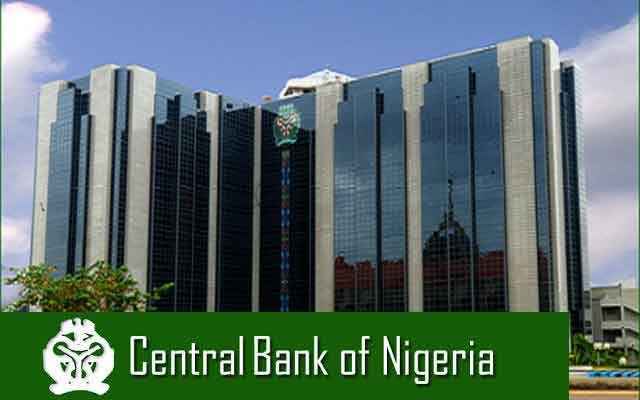
The Central Bank of Nigeria reported during the week that Nigeria’s foreign exchange reserves hit $40 billion for the first time since January 2014, when it was N40.6 billion. The jump in external reserves also represents about $14 billion increase from their January 2017 figures of $26 billion.
The rise in crude oil prices, FX loans and many others have contributed significantly to the rise. Crude oil prices have virtually doubled from as low as $40 a barrel to nearly $70. Oil production has also remained relatively stable due to a lull in militant activities in the Niger Delta.
The recent conclusion of Nigeria’s Eurobond loans have also contributed significantly to the rise in the country’s FX positions. Nigeria borrowed about $4.8 billion in Eurobonds in 2017 an increase from about $1.5 billion in 2016.
An increase in Capital Importation was also observed in 2017, following the introduction of the Investor/Exporter window by the CBN. Data from the NBS reveals, Capital Importation increased to $6.8billion in the first 3 quarters of 2017 compared to a total of $5 billion in 2017 as a whole.
The CBN’s reluctance to lift the ban on 41 composite items from accessing forex for imports is also attributed to the buildup of the reserves. The ban has significantly reduced access to forex for imported items into the country, further reducing the pressure to sell some of the forex earnings of the government.
ALSO SEE: N100bn revenue shortfall: FG orders contractors to show TIN before payment
Despite opening the Investor Exporter Window, the CBN still retains much of the capital controls it imposed in the early days of the forex crisis. For example, naira debit cards are hardly used by Nigerians abroad, following the heavy restrictions imposed by the CBN. Transfers out of domiciliary accounts are still heavily restricted while most dollar denominated cards rarely facilitate forex transactions.
Healthy reserves for the country mean relative exchange rate stability. Enhanced foreign exchange liquidity also gives foreign investors the required confidence to invest in the country. At the peak of the foreign exchange crisis, investors and businesses had difficulty repatriating their profits out of the country.










-

 Latest6 days ago
Pastor Chris Oyakhilome announces mother’s passing at 88 [VIDEO]
-

 Latest1 week ago
Arsenal eye €70-80m move for Real Madrid star
-

 Football4 days ago
How David Beckham made $51.1m from 2026 World Cup, surpassing winners’ prize
-

 Crime7 days ago
Police arrest suspect, launch manhunt for 2 others over Delta Education Director’s death
-

 Latest6 days ago
How adulterated palm oil, coloured pepper are putting consumers at risk
-

 Latest1 week ago
Obi left $155m in Anambra, Otti insists amid debt controversy
-

 Crime6 days ago
Deaths in NSCDC Custody: Can Nigeria guarantee the safety of detainees?
-

 Comments and Issues5 days ago
Fani-Kayode on Atiku: Separating claims from the record