
Energy
How electricity companies suffered N420bn tariff deficit in two years

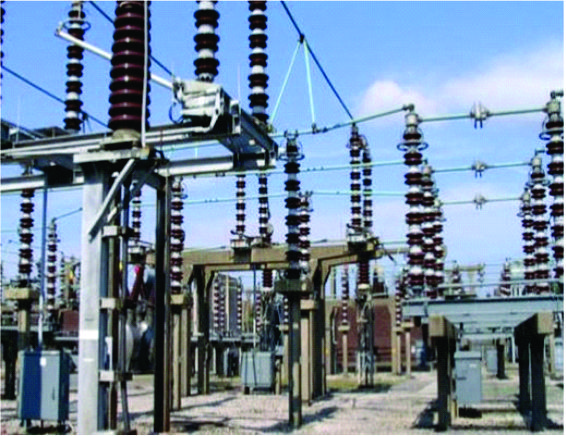
The electricity Distribution Companies (DISCOs) has been declared to have suffered setback in about N420 billion non-collectable tariff in the past two years.
It was gathered that the Federal Government in a Power Sector Recovery Programme document revealed that DISCOs suffered N420 billion shortfall in the amount of electricity tariff payable by consumers to the power sector between January 2015 and December 2016.
The FG remarked that the huge tariff shortfall has been a major constraint to the power sector due to insufficient end-user tariffs that should have been paid to the industry.
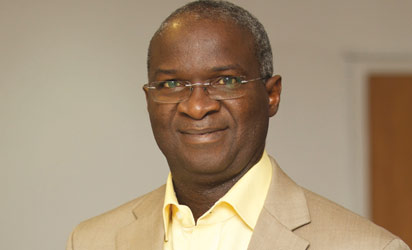
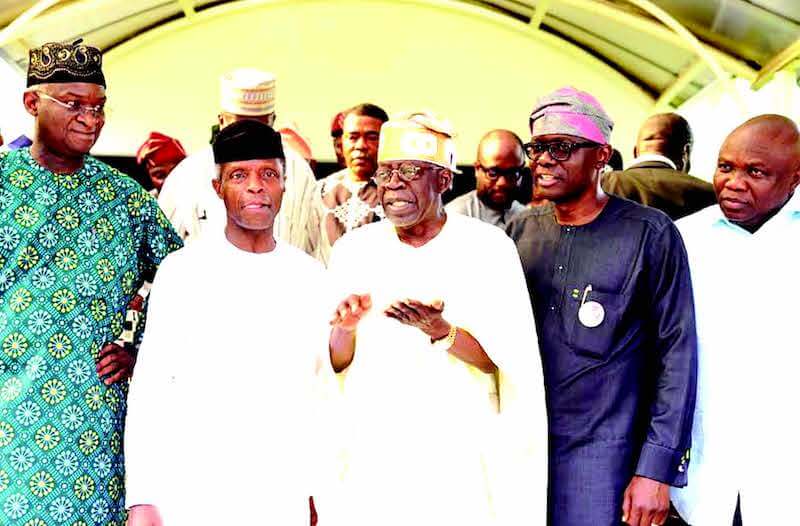
Minister of Power, Works and Housing, Babatunde Fashola, was said to have presented the Power Sector Recovery Programme document which detailed policy actions to be implemented by the Federal Government, to civil society organizations in Abuja.
It was highlighted in the document that: “The challenges include infrastructure constraints associated with gas, generation, transmission and distribution; insufficient end-user tariffs; sector tariff shortfalls between January 2015 and December 2016 of N420 billion; slow pace of loss reduction and load rejection by the DisCos (distribution companies); and sector governance challenges. Collectively, these challenges have discouraged private sector investment in the sector and continued to impede Nigeria’s economic development.”





-

 Latest6 days ago
Pastor Chris Oyakhilome announces mother’s passing at 88 [VIDEO]
-

 Latest1 week ago
Arsenal eye €70-80m move for Real Madrid star
-

 Football4 days ago
How David Beckham made $51.1m from 2026 World Cup, surpassing winners’ prize
-

 Crime7 days ago
Police arrest suspect, launch manhunt for 2 others over Delta Education Director’s death
-

 Latest6 days ago
How adulterated palm oil, coloured pepper are putting consumers at risk
-
 Latest1 week ago
Obi left $155m in Anambra, Otti insists amid debt controversy
-

 Crime6 days ago
Deaths in NSCDC Custody: Can Nigeria guarantee the safety of detainees?
-

 Comments and Issues5 days ago
Fani-Kayode on Atiku: Separating claims from the record