
Energy
Average fuel price across Nigeria hits all time high

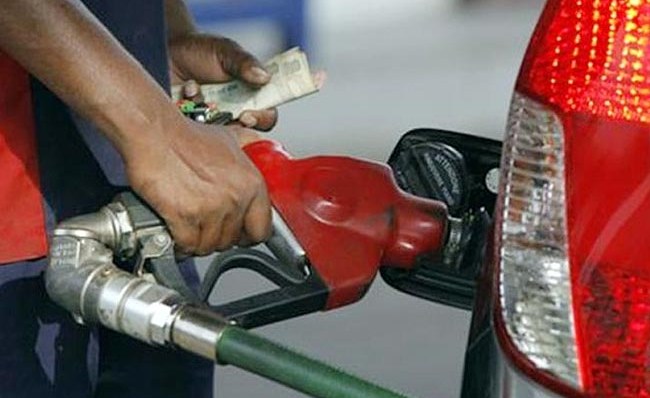
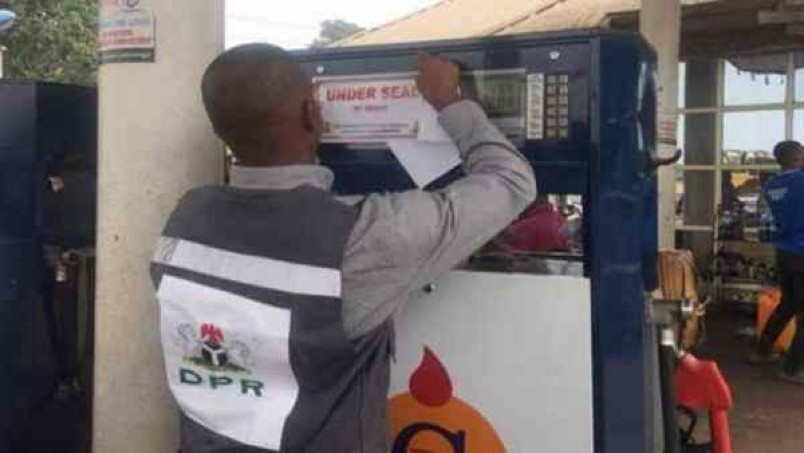
Nigerians now pay an average of N191/Litre for fuel compared to the official pump price of N145/Litre. This is based on the latest PMS Price Watch published by the National Bureau of Statistics.
The data highlights in no small measure, the effect of scarcity of petroleum products, particularly PMS, experienced across the country since December 2017. The average price of N190.9 is the highest we have seen since the Bureau started tracking this data in January 2016.
Of all the 36 states in the country and including the FCT, the following states have recorded the highest increase in the price of fuel, between January 2016 and January 2017.
Benue State topped the list with a 53.5% rise in the price of petroleum products. Fuel is currently going for N223.3 per litre in the state.
Interestingly, neighboring Kogi State is selling for N152.8 and has recorded a paltry 5% rise. Abia State recorded the most expensive rise in fuel price among the Eastern States. Fuel price has risen 53% year on year and currently trades at N227
Osun State indigenes ended up paying the most average cost for fuel at N228.8 in January 2018.
Key commercial states in the country such as Lagos, Kano, Anambra, Ogun, Abuja and Rivers States all sole fuel for N161.4, N182, N211.6, N203, N160 and N197.5 respectively.
The increase in the price of fuel over the last few weeks is largely attributed to higher oil prices recorded globally and higher exchange rate required by marketers to import petroleum products.
Independent marketers who often contributed to fuel imports stopped importing as they will have to increase the price of fuel to cover their cost of imports. The President has made it clear that he is not interested in a fuel price hike.
Unfortunately, the NNPC is taking the hit on behalf of Nigerians. The state owned oil firm’s marketing arm reported a year to date loss of N91.4 billion per the November NNPC Financial report.
As things stand, the losses are only expected to widen except oil prices fall or the government decides to hike the price of PMS (Fuel).
For now, Nigerians across the length and breadth of the country will have to grapple with frequent fuel scarcity, long queues and price volatilities. Recent NBS data also shows every state in the country is experiencing a hike in fuel price, since the recent scarcity started in December 2017.
Ordinary Nigerians who expect a fall in interest rates may have to wait a little longer as rising fuel prices across the country indicates a structural challenge which banks will not hesitate to cite as a reason for the expensive nature of their loans.







-

 Latest1 week ago
Global excitement builds as Healing Streams Live Services returns October 23
-

 Featured6 days ago
Inside INEC’s race to prepare for Nigeria’s 2027 elections
-
 Featured6 days ago
2027: APC unveils nationwide campaign timetable, Tinubu to rally in 12 states
-

 Business1 week ago
President Tinubu and the Low Transport Fares Fiasco
-
 Business4 days ago
Naira faces exchange rate gap as Dollar hits N1,380 on parallel market
-
 Business6 days ago
Court dismisses ₦170m Trade Fair contract claim, says Zenith Bank was not a party
-
 Latest6 days ago
Breaking: NNPCL raises petrol price to ₦1,405 per litre amid discount controversy
-
 Business1 week ago
Rite Foods targets beverage market growth with LIDA Malt