
Business
AEC pushes for single continental market in Africa

The African Economic conference which is underway at Kigali, Rwanda, says with the African Continental Free Trade (AfCFTA) area, it aims to create a single continental market for goods and services, with free movement of business persons and investments.
A total of 44 African nations signed the landmark African Continental Free Trade agreement earlier this year, with only 12 out of the required 22 countries ratifying the accord, but policy makers say there is time enough – and practical solutions – to move the process ahead.
African countries could use the time in the run up to March 2019, the deadline for ratification, to strengthen their capacity in the legislative and tariff instruments required for the process and other “low hanging fruit” measures, presenters at a panel session during the African Economic Conference.
“We have learned a lot of lessons,” Dr. Trudi Hartzenberg, Executive Director of the Trade Law Centre said. “We have a window to build capacity… most implementation is done at national level…there is lot that existing (free-trade areas) can bring,” she said.
The signing of AfCFTA, with its potential to create the largest free-trade area in the world – uniting fifty-four African countries with a combined population of more than one billion people and a combined gross domestic product of more than US $3.4 trillion – has also engendered much debate about the challenges of harmonizing disparate tax, fiscal and regulatory regimes as well as the varied socio-political make-up of nations on the continent.
But Rwanda, which has taken bold leadership of the integrate Africa agenda, argues that the benefits outweigh the losses.
Noting that Rwanda was one of the first countries to sign AfCFTA, the country’s Minister of Trade and Industry Soraya Hakuziyaremye, one of the panelists, said it was imperative for the country to champion regional integration and African integration.
“We understand the benefit,” she said, adding that she preferred using the term “land-linked,” rather than landlocked, to describe her native Rwanda. Africa cannot afford not to be part of a larger bloc advocating for a common market,” she said.
The session, moderated by African Development Bank Director of Regional Integration Moona Mupotola, also included Prof. Ademola Oyejide, Emeritus Professor of Economics, University of Ibadan and Professor Olu Ajakaiye, Executive Chairman, African Center for Shared Development and Capacity Building.
The experts looked at the costs of integration: the downside for smaller economies and the absence of Nigeria – Africa’s largest economy.
“Nigeria is the big elephant in the room,” Oyidije said. According to the professor, although Nigeria had always led Africa in regional integration, in the case of AfCFTA, “the costs are too high relative to the benefits.”


-
 Latest1 week ago
Israel marks 3 years since October 7 Hamas attack amid Gaza strikes, election debate
-

 Energy1 week ago
Fuel Battle: Dangote, marketers and government clash over petrol imports
-

 Latest2 days ago
Full List: Meet the 2026 Nobel Prize winners across six categories
-
 Featured6 days ago
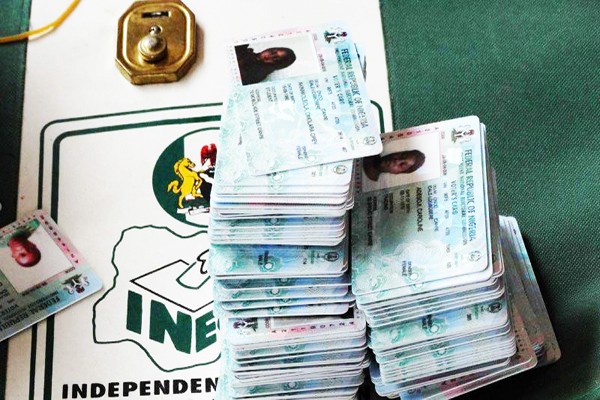
103 Million Voters: What does INEC’s new register say about Nigeria’s population?
-

 Business1 week ago
Nigerian startup 3650HQ moves to cut rising WhatsApp costs for businesses
-

 Football2 days ago
Premier League Matchweek 7: Five Fixtures That Could Shape the Weekend
-
 Business7 days ago
The Ministry of Commerce of Loveworld gets a $1 million boost for new investment fund at LTIF 2026 to promote Trade in Ghana
-

 Features7 days ago
Edo’s 2.5 million vote promise: Can the numbers match the politics?