
Education
Here is limitation of bill ending HND discrimination

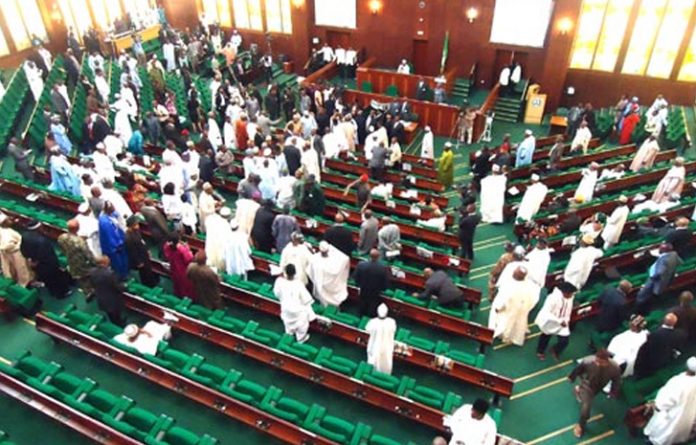
After two years, the House of Representatives eventually passed a bill blurring the difference between the Higher National Diploma and Bachelor of Science in Nigeria.
Honourables Ali Isa and Edward Pwajok, sponsors of the two-year-old bill, said Tuesday there was segregation when it comes to employment issues because “those having first degrees (university graduates) are placed on Grade level 8, while those having HND are placed on grade level 6 or 7”.
The bill, the National Daily gathered, wants to end perceived discrimination against polytechnic graduates (HND holders) and remove the challenges they face, especially those in the public service.
It is already taking effect in some ministries—like the ministry of interior which supervises Nigeria Security and Civil Defence Corps, Nigeria Immigration Service, Nigeria Prisons Service and Federal Fire Service.
But this might not change anything in the private sector.
Big corporations like Shell and others, by policy, put HND holders and third-class university graduates at the same level.
Pwajok in his lead debate said this “discrimination” against the polytechnic graduates “had no moral justification”.
According to him, the discrimination reflects in salaries as some organisations pay degree holders N100,000 at entry level, with HND holders are paid N70,000.













-

 News6 days ago
Widow of late investigative broadcaster Kola Olawuyi dies
-

 Crime6 days ago
Outrage as NYSC doctor allegedly dies after delay in approving sick leave
-

 Latest5 days ago
One killed as ethnic clash erupts in Ibadan following reported overnight stabbing (video)
-
 Aviation6 days ago
NIS issues updated guidelines for contactless passport renewal for Nigerians abroad
-
 Energy7 days ago
Gas flaring takes toll on children, residents in Rivers oil-producing communities
-
 Latest6 days ago
Lagos arrests 396 beggars in fresh crackdown on street begging (Video)
-

 Aviation7 days ago
Could you prove that bag is yours? The precautions that could protect you from a travel nightmare
-
 Agribusiness5 days ago
Strengthening Nigeria’s Food Production Through Reliable Water Storage Infrastructure