
Featured
Amputations, executions, women judges in Afghan justice system

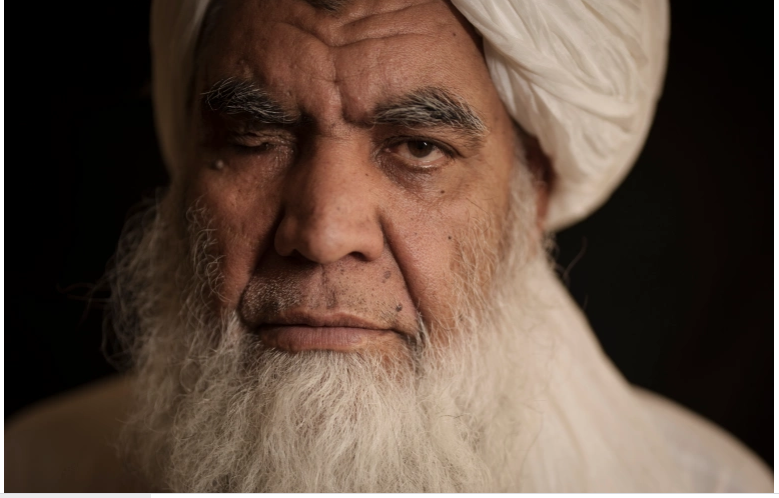
One of the founders of the Taliban and the chief enforcer of its strict rule of Afghanistan during the 1990s says the group will once again carry out executions and amputations of hands, though perhaps not in public.
In an interview with The Associated Press news agency, Mullah Nooruddin Turabi dismissed outrage over the Taliban’s executions in the past, which sometimes took place in front of crowds at a stadium, and he warned the world against interfering with Afghanistan’s new rulers.
“Everyone criticised us for the punishments in the stadium, but we have never said anything about their laws and their punishments,” Turabi told the AP, speaking in Kabul.
“No one will tell us what our laws should be. We will follow Islam and we will make our laws on the Quran.”
Since the Taliban overran Kabul on August 15 and seized control of the country, Afghans and the world have been watching to see whether they will recreate their harsh rule of the 1996-2001 period.
Turabi’s comments pointed to how the group’s leaders remain entrenched in a deeply conservative, hardline worldview, even if they are embracing technological changes, like video and mobile phones.
‘Peace and stability’
Turabi, now in his early 60s, was justice minister and head of the so-called Ministry of Propagation of Virtue and Prevention of Vice – effectively, the religious police – during the Taliban’s previous rule.
At that time, the world denounced the Taliban’s punishments, which took place in Kabul’s stadium or on the grounds of the sprawling Eid Gah Mosque, often attended by hundreds of Afghan men.
Executions of convicted murderers were usually by a single shot to the head, carried out by the victim’s family, who had the option of accepting “blood money” and allowing the culprit to live. For convicted thieves, the punishment was amputation of a hand. For those convicted of highway robbery, a hand and a foot were amputated.
Trials and convictions were rarely public and the judiciary was weighted in favour of Islamic scholars, whose knowledge of the law was limited to religious injunctions.
Turabi said that this time, judges – including women – would adjudicate cases, but the foundation of Afghanistan’s laws will be the Quran. He said the same punishments would be revived.
Al Jazeera


-
 Latest6 days ago
Israel marks 3 years since October 7 Hamas attack amid Gaza strikes, election debate
-

 Energy6 days ago
Fuel Battle: Dangote, marketers and government clash over petrol imports
-

 Energy1 week ago
Petrol, diesel prices rise 86% in 2026 as costs hit fresh highs
-

 Football7 days ago
Nigeria’s World Cup exit under spotlight as FIFA’s DR Congo files emerge
-

 Energy1 week ago
Has Iran lost control of the Strait of Hormuz? Oil flows rebound as war disruptions persist
-

 Latest7 days ago
US Court set to rule on release of FBI, DEA records on Tinubu
-
 Latest18 hours ago
Full List: Meet the 2026 Nobel Prize winners across six categories
-

 Business7 days ago
Nigerian investors at a crossroads as fixed-income yields slide