
Featured
Atiku’s fuel subsidy promise: Economic relief or 2027 campaign strategy?

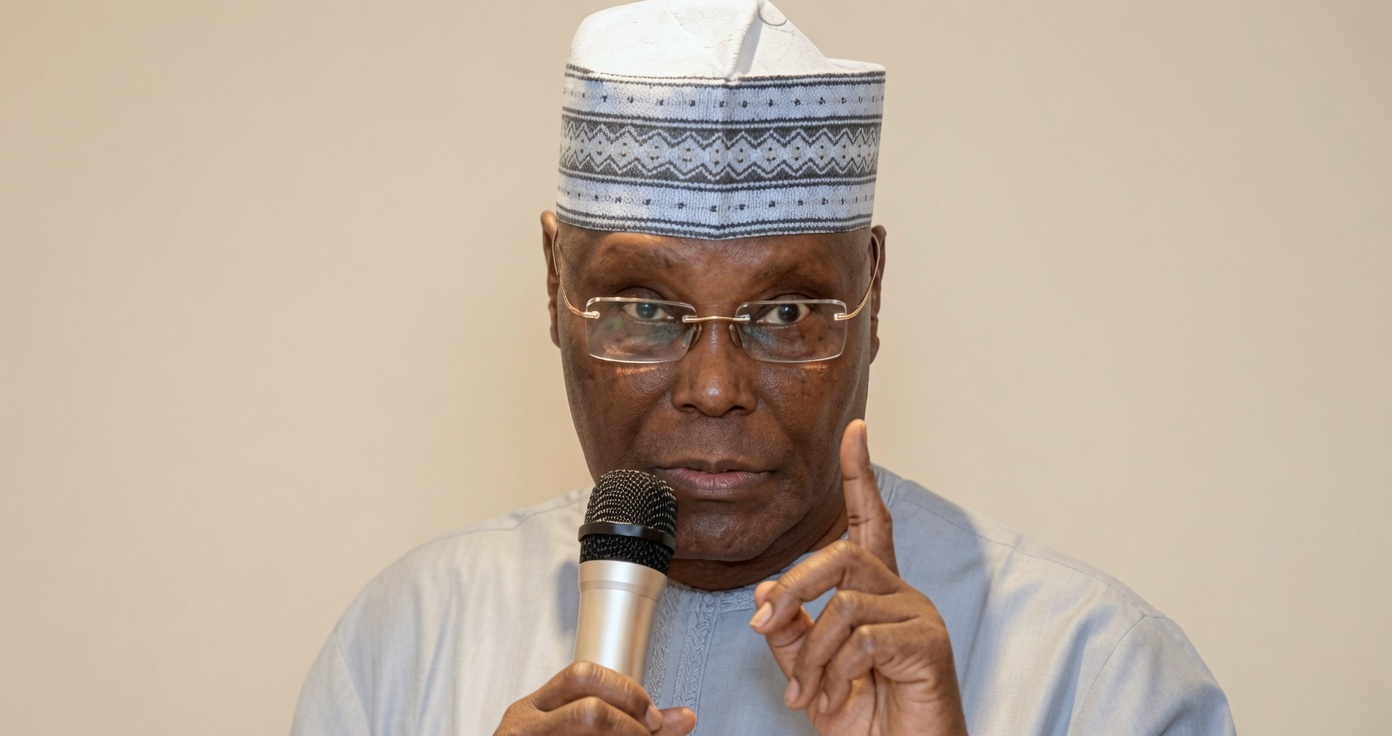
Former Vice President and African Democratic Congress (ADC) presidential candidate, Atiku Abubakar, has reignited Nigeria’s long-running fuel subsidy debate after pledging to restore petrol subsidy if elected president in 2027.
Atiku made the declaration during a recent interview, arguing that Nigerians have yet to see sufficient benefits from the savings generated by the removal of the subsidy. He questioned how the funds had been utilised and said his administration would restore the policy while ensuring that anyone who misappropriated subsidy-related funds was held accountable.
The proposal has already triggered a political and economic backlash, with the Presidency questioning how Atiku intends to finance such a policy and warning that a return to subsidy could place additional pressure on government finances.
Atiku’s latest position represents a significant change from his stance ahead of the 2023 presidential election.
In December 2022, he said he would remove petrol subsidy within his first 100 days in office, arguing that the policy was draining government resources and that the savings could instead be invested in critical sectors.
Atiku also previously advocated a negotiated and phased approach to subsidy removal rather than an abrupt termination of the scheme.
The former vice president now argues that the circumstances have changed, particularly because Nigerians have experienced higher transport, food and household costs since the removal of the subsidy in 2023.
Atiku’s campaign team has subsequently provided more details about the proposal, saying the planned system would differ from the previous import-based subsidy regime.
Under the proposed model, the former vice president says an independently audited production subsidy would operate within a predetermined annual fiscal ceiling approved through the federal budget. The stated aim is to replace what Atiku describes as an opaque and open-ended subsidy system with a more controlled mechanism.
The proposal comes as fuel prices and the broader cost of living remain politically sensitive issues ahead of the 2027 elections.
The Tinubu administration has rejected the proposal, challenging Atiku to explain how a restored subsidy would be financed.
Presidential aide Bayo Onanuga argued that bringing back subsidy could reverse some of the fiscal gains associated with its removal and place additional pressure on federal, state and local government finances. He also questioned Atiku’s claims about the amount of money saved since the policy was discontinued.
The Presidency has further argued that subsidy could undermine domestic refining by making imported petrol artificially cheaper than locally produced fuel.
Onanuga said the economic cost of petrol was substantially higher than the price consumers would pay under a subsidised system, raising questions about how the government would finance the difference.
The dispute is increasingly positioning petrol pricing as one of the major economic issues likely to shape the 2027 presidential contest.
Atiku has framed the proposed subsidy restoration as a response to the hardship Nigerians have experienced since the 2023 reforms, while the Tinubu administration maintains that subsidy removal was necessary to address longstanding fiscal pressures.
President Bola Tinubu announced the removal of petrol subsidy on May 29, 2023, shortly after taking office, triggering a sharp increase in fuel and transportation costs.
With Atiku now promising to restore some form of subsidy and the government defending its decision to end the regime, the debate is likely to intensify as political parties and presidential contenders begin positioning themselves ahead of the 2027 election.
The central question for voters and policymakers will be whether subsidising petrol can provide sustainable relief for households without recreating the fiscal pressures, inefficiencies and accountability concerns associated with Nigeria’s previous subsidy regime.


-

 Featured6 days ago
Inside INEC’s race to prepare for Nigeria’s 2027 elections
-
 Latest1 week ago
Global excitement builds as Healing Streams Live Services returns October 23
-
 Featured6 days ago
2027: APC unveils nationwide campaign timetable, Tinubu to rally in 12 states
-

 Business1 week ago
President Tinubu and the Low Transport Fares Fiasco
-
 Business4 days ago
Naira faces exchange rate gap as Dollar hits N1,380 on parallel market
-
 Business6 days ago
Court dismisses ₦170m Trade Fair contract claim, says Zenith Bank was not a party
-
 Latest6 days ago
Breaking: NNPCL raises petrol price to ₦1,405 per litre amid discount controversy
-
 Business1 week ago
Rite Foods targets beverage market growth with LIDA Malt