
Football
Backlash grows as Argentina faces online abuse after World Cup final defeat to Spain

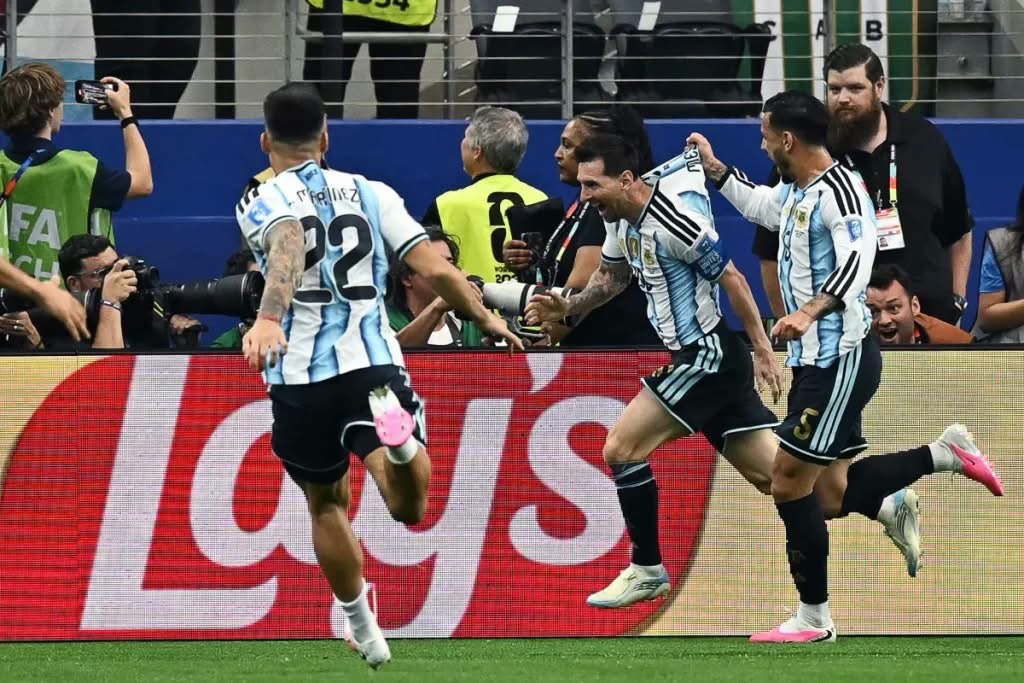
Argentina’s 1-0 extra-time defeat to Spain in the 2026 FIFA World Cup final has sparked a wave of criticism and online abuse directed at captain Lionel Messi and members of the national team across social media platforms.
The backlash followed Sunday’s final at the New York New Jersey Stadium, where Spain secured the world title after a fiercely contested encounter that attracted widespread attention for both the result and the conduct of players on the pitch.
The match was marked by a series of heated exchanges, with Argentina receiving several yellow cards before finishing the game with 10 men after Cristian Romero was sent off in stoppage time for a second bookable offence.
The aftermath of the final also generated debate after some Argentine players were criticised for turning away during Spain’s trophy presentation ceremony. Several international media outlets and football commentators described the closing stages of the match as overly physical and questioned the team’s conduct.
The criticism extended beyond the final itself, with observers linking the reaction to a number of controversies involving Argentina during the tournament. Among them were diplomatic reactions to a banner displayed by Argentine players after their semi-final victory over England regarding the Falkland Islands, as well as reports of racist abuse allegedly directed at online streamer IShowSpeed by an Argentine supporter during an earlier match in Miami.
The incidents fueled widespread debate online, with many neutral supporters expressing support for Spain ahead of the final. Analysts say social media algorithms further amplified criticism, conspiracy theories and abusive comments directed at Argentina and its players following the defeat.
Despite the backlash, Messi appealed for unity in a message posted on his Instagram account after the match.
“The pain is very great and it will take time for this wound to heal,” the Argentina captain wrote. “Today it is hard to value what we did, but this group reached two consecutive World Cup finals. Thank you very much from the bottom of my heart for every greeting and for every message.”
FIFA and several social media platforms have continued efforts to curb online abuse targeting players, while football authorities have repeatedly called for greater respect and stronger action against hate speech in the wake of major international tournaments.


-

 Business1 week ago
Dangote Refinery IPO: 70% Subscription claim meets fourfold demand assertion as investors seek clarity
-
 Featured4 days ago
Inside INEC’s race to prepare for Nigeria’s 2027 elections
-

 Latest6 days ago
UCTH faces morgue crisis as 50 unclaimed corpses await mass burial
-
 Featured4 days ago
2027: APC unveils nationwide campaign timetable, Tinubu to rally in 12 states
-

 Business6 days ago
BREAKING: Nigeria’s Inflation Rate Drops to 14.63% in September
-
 Aviation1 week ago
Germany opens online application route for student, EU Blue Card and other long-stay visas
-
 Business4 days ago
Court dismisses ₦170m Trade Fair contract claim, says Zenith Bank was not a party
-
 Business5 days ago
President Tinubu and the Low Transport Fares Fiasco