
Business
Banks groan under weight of finance to power sector

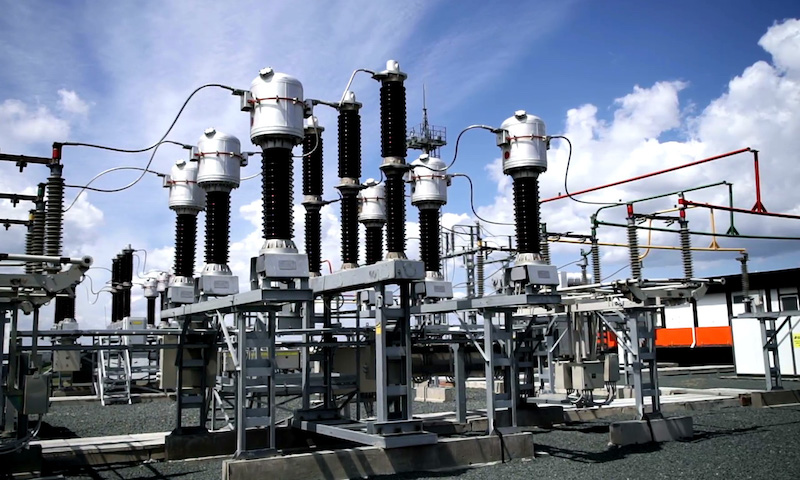
During the privatisation of the nation’s power sector in 2013, many banks provided the financing required by investors to acquire the successor generation and distribution companies carved out of the defunct Power Holding Company of Nigeria.
Similarly, prior to the fall in crude oil prices from a peak of $115 per barrel in 2014, banks gave loans to local oil and gas companies for the acquisition of assets, mostly being divested by the IOCs such as Royal Dutch Shell, Chevron and Total.
As of the end of December 2016, loans to the oil and gas sector constituted 30.02 per cent of the gross loan portfolio of the nation’s banking system as credit to that sector grew from N4.51tn to N4.89tn, according to the latest Financial Stability Report from the Central Bank of Nigeria.
According to findings by National Daily, most of these loans have not been paid, creating serious crisis for the lenders as loans to power and energy sector accounted for 4.5 per cent at N726.29bn as of December 2016.
A banking source, who spoke under anonymity said many of the energy companies that borrowed money from banks had started looking for equity to put into their transactions.
He said, “I am aware that they are talking to different equity partners and private companies outside Nigeria that are looking to come and invest. So, you may start to hear some announcements in a couple of months that companies are partnering to bring equity into Nigerian oil and gas industry.”
ALSO SEE: National electricity grid records total collapse – TCN
The Chairman, Egbin Power Plc, Mr. Kola Adesina, said those who invested in the power firms took loans, which were premised on the fact that there would be cash flow that would make those loans payable back to the banks.
He said at the Lagos Chamber of Commerce and Industry’s policy dialogue on power sector that the cash flow was expected to come from electricity customers.
“The banks in Nigeria currently are bleeding under the weight of acquisition finance to the power sector, and the question is how are we going to resolve that problem? We can only do that if the fundamentals are dealt with in the sector.”
According to Adesina, there is a need for a holistic review of where the power sector is, how it got to where it is and where it is going.
He said, “When the Discos were sold, there was a model given to the investors to plug into; that they were to make a particular level of capital and operational expenditure, with the exchange rate, interest rate, and expected inflation rate stated.
“All these factors were put into consideration when the sale was made. The very day these assets were handed over to the new owners, every side of the bargain from the government was not met, in terms of cost-reflective tariff.”




-

 Latest6 days ago
US Immigration fees rise from October 16 as USCIS announces new charges
-
 Latest1 day ago
Israel marks 3 years since October 7 Hamas attack amid Gaza strikes, election debate
-
 Business6 days ago
Nigeria’s $55bn reserves raise fresh questions over naira value
-

 Health5 days ago
Florida sues Pfizer over deceptive COVID-19 vaccine marketing
-

 Business1 week ago
Tuoyo Erikowa wins digital marketing personality of the Year at 2026 EDGE awards
-

 Crime5 days ago
From camp to captivity: How kidnappers now target NYSC Corps members on highways
-

 Featured6 days ago
2027: Can Nigeria’s opposition still unite behind a single presidential candidate?
-

 Crime5 days ago
Fulani Militia leader linked to Christian killings arrested in Plateau