
News
Be wary of Obasanjo, Soyinka warns Nigerians

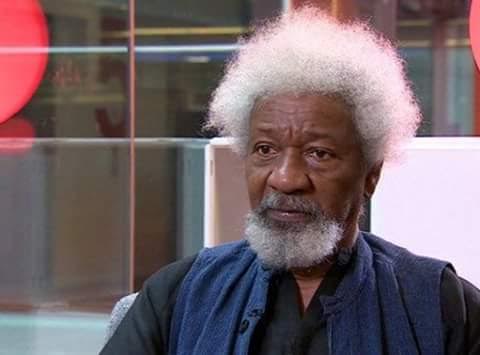
Nobel Laureate, Prof. Wole Soyinka, has warned Nigerians to be wary of former President Olusegun Obasanjo who he said has been pretending to be the conscience of the nation.
Soyinka, who was a panelist at the event tagged, ‘Nigeria 2019: Countering Fake News,’ organised by BBC News, accused Obasanjo of supporting a man he once called ‘a devil’ several years ago to become Nigeria’s president.
Though Soyinka did not mention names, but his utterances ostensibly refers to Obasanjo and his former Vice President and Presidential candidate of the Peoples’ Democratic Party, PDP, Atiku Abubakar.
According to Soyinka, if the former leader had been referring to a certain person (Atiku) for eight years as a devil and is now telling Nigerians to vote for the devil, then there was a reason for Nigerians to express some doubt.
“We have got to develop a very healthy skepticism. If someone in a position of power for eight years has lectured a nation for eight years and after that continued year after year to continue to direct the minds of a whole nation in one direction, only saying ‘this is Lucifer from hell’ for eight years in office and several more years out of office, saying this is Lucifer and then one day he changed his left hand and says behold your redeemer, which of the two is fake news?”


-
 Latest6 days ago
Israel marks 3 years since October 7 Hamas attack amid Gaza strikes, election debate
-

 Energy6 days ago
Fuel Battle: Dangote, marketers and government clash over petrol imports
-

 Energy1 week ago
Petrol, diesel prices rise 86% in 2026 as costs hit fresh highs
-

 Football7 days ago
Nigeria’s World Cup exit under spotlight as FIFA’s DR Congo files emerge
-

 Energy1 week ago
Has Iran lost control of the Strait of Hormuz? Oil flows rebound as war disruptions persist
-

 Latest7 days ago
US Court set to rule on release of FBI, DEA records on Tinubu
-

 Latest17 hours ago
Full List: Meet the 2026 Nobel Prize winners across six categories
-

 Business7 days ago
Nigerian investors at a crossroads as fixed-income yields slide