
Health
HHS moves to create COVID-19 injury table as US Court pauses lawsuit

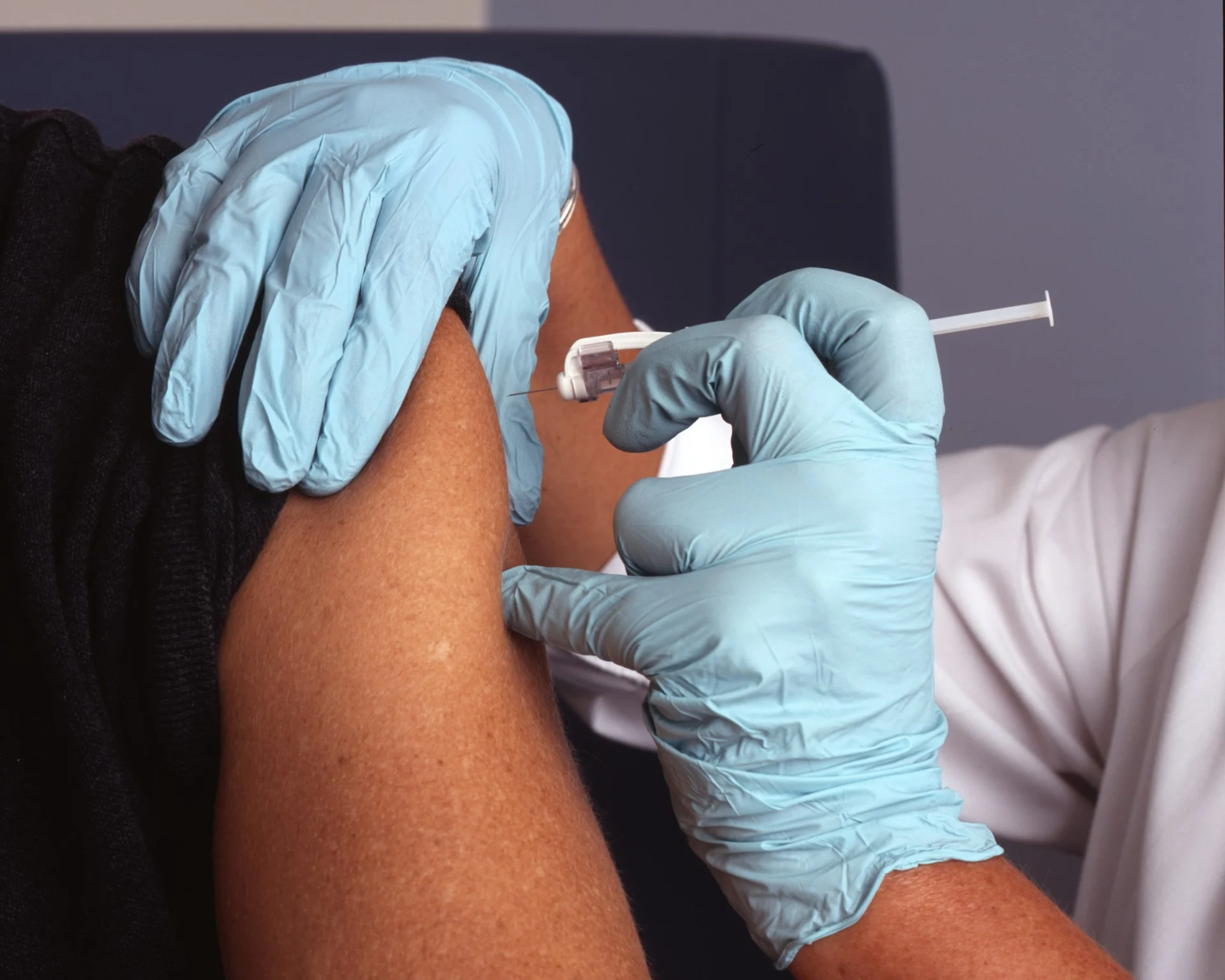
A US federal court has temporarily halted a lawsuit seeking to compel the Department of Health and Human Services (HHS) to establish a COVID-19 Countermeasures Injury Table.
US District Judge Dabney L. Friedrich ordered the six-month stay after attorney Ray Flores, who represents the plaintiff, Erica Samp, requested that the case be paused while HHS moves forward with plans to establish the table.
HHS has listed a proposed rule for November 2026 that would create a COVID-19 Countermeasures Injury Table under the Countermeasures Injury Compensation Program (CICP). The proposed rule is expected to undergo a public comment period ending in January 2027.
The lawsuit, Samp v. Kennedy, challenges what Flores described as the failure of successive HHS secretaries to establish the table as required under the Public Readiness and Emergency Preparedness (PREP) Act.
The proposed table would identify injuries that, based on compelling and reliable medical and scientific evidence, are presumed to have been caused by covered COVID-19 countermeasures. It would also specify the period within which an injury must occur after exposure to qualify for the presumption.
Samp filed the lawsuit after alleging that she developed serious health problems, including encephalopathy, hearing and vision loss and vascular injuries, following two doses of Moderna’s COVID-19 vaccine in 2021.
READ ALSO; From COVID vaccines to Neuralink: Inside Dr. Stella Immanuel’s population-control warning
Her claim for compensation through the CICP was rejected in 2024 after federal authorities determined that the available evidence did not establish that the vaccine directly caused her injuries.
The lawsuit argues that an injury table could provide an alternative route for people whose injuries fall within conditions eventually recognised by HHS.
Under the current CICP framework, claimants whose injuries are not listed on an applicable table must provide compelling, reliable and valid medical and scientific evidence showing that the covered countermeasure directly caused the injury. A temporal link between receiving a countermeasure and developing an injury is not, by itself, sufficient.
The potential impact of the proposed table comes amid a large backlog of COVID-19-related CICP claims.
According to the Health Resources and Services Administration (HRSA), which administers the programme, 14,146 COVID-19 CICP claims had been filed as of July 1, 2026.
Of 7,584 decisions made on COVID-19 claims, 112 had been found eligible for compensation, while 7,472 had been denied. More than 6,500 COVID-related claims remained pending review or under consideration.
HRSA data show that 11,055 of the COVID-19 claims involved alleged injuries or deaths associated with vaccines, while 3,091 involved other COVID-19 countermeasures or cases where the specific countermeasure was unclear at initial submission.
The agency says a COVID-19 countermeasures injury table has not yet been established. However, claimants can still qualify for compensation if they demonstrate, using the required evidence, that their serious injury was directly caused by a covered countermeasure.
Flores has argued that establishment of the table could give some previously denied claimants another opportunity to seek compensation, depending on the final rules and their eligibility.
The CICP currently operates under a one-year filing deadline for claims. The Congressional Research Service has noted that the establishment of a new countermeasure injury table can affect the filing window for newly eligible claims.
The proposed rule is not yet final, and the contents of the eventual injury table remain subject to the federal rule-making process.
The case is therefore expected to remain on hold while HHS proceeds with the proposed regulation. HHS did not oppose the request for the stay.
The development marks a significant shift in a legal dispute that has sought to force the federal government to establish a formal framework for recognising and compensating certain injuries allegedly associated with COVID-19 countermeasures.
HRSA’s existing programme currently includes injury tables for smallpox and pandemic influenza countermeasures, but not yet for COVID-19 countermeasures.


-

 Business1 week ago
Dangote Refinery IPO: 70% Subscription claim meets fourfold demand assertion as investors seek clarity
-

 Featured4 days ago
Inside INEC’s race to prepare for Nigeria’s 2027 elections
-
 Latest7 days ago
UCTH faces morgue crisis as 50 unclaimed corpses await mass burial
-

 Featured4 days ago
2027: APC unveils nationwide campaign timetable, Tinubu to rally in 12 states
-

 Business6 days ago
BREAKING: Nigeria’s Inflation Rate Drops to 14.63% in September
-

 Aviation1 week ago
Germany opens online application route for student, EU Blue Card and other long-stay visas
-

 Business5 days ago
President Tinubu and the Low Transport Fares Fiasco
-
 Business4 days ago
Court dismisses ₦170m Trade Fair contract claim, says Zenith Bank was not a party