
Business
CBN devalues Naira again, adopts NAFEX rate

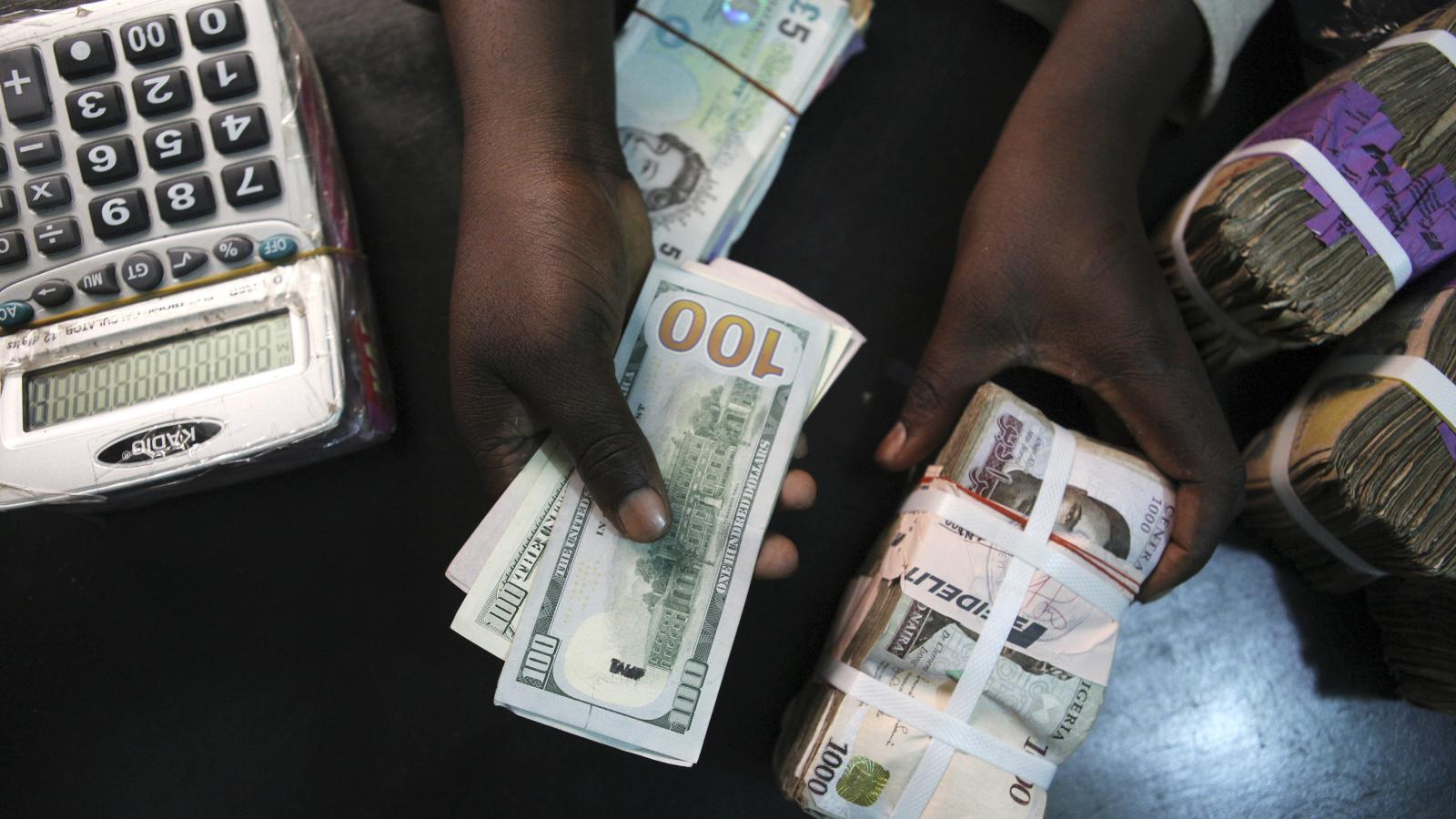
The Central Bank of Nigeria may further have devalued the Naira following removal of its official exchange rate of N379/$1 from its website homepage conforming to the bank’s policy that the NAFEX rate is now the default reference exchange rate for official and legitimate transactions.
The NAFEX rate has closed from as low as N393/$1 to about N411/$1 throughout 2021, compared to the N410.25/$1 it closed with on December 31, 2020.
The exchange rate has also hit an all-time high intraday rate of N437/$1 on the 7th of May 2021, meaning some people have transacted at the rate.
Nigeria operates multiple exchange rate windows ranging from the I&E (NAFEX) window where forex is traded between exporters, investors and purchasers of forex, the SMEIS window where forex is sold to importers and the BDC window which is where forex is sold to retailers.
Several calls have been made both locally and from abroad to get the CBN to unify the multiple exchange rates.
Since the Central Bank last adjusted the exchange rate in August 2020, it has retained the exchange rate of N379/$1 on its website homepage which in the past, represented the official exchange rate. The exchange rate displayed on the website has historically been referenced as the official exchange rate of the country.
CBN Governor, Godwin Emefiele in the past has denied claims of a flexible exchange rate insisting that Nigeria still operates a managed float, insisting that Nigeria still operates a Managed Float exchange rate.
He further explained that the managed float is a policy that allows the CBN to watch the market operations and intervene when necessary.
However, all government transactions since 2021 have been converted using the prevailing exchange rate at the official NAFEX window confirming that the erstwhile official exchange rate of N379/$1 is dead.
Anyone conducting any business involving foreign exchange in Nigeria will have to quote the prevailing NAFEX exchange rate as the official exchange rate.
Whilst this rate is market-determined, it is still not a flexible rate or completely market-determined because the CBN intervenes occasionally thereby influencing the rate discovery on any given day.
Nevertheless, this rate is the closest to a market-driven exchange rate (at least officially) and it is referenced by both the private and public sector for official transactions.


-
 Latest5 days ago
Israel marks 3 years since October 7 Hamas attack amid Gaza strikes, election debate
-

 Energy5 days ago
Fuel Battle: Dangote, marketers and government clash over petrol imports
-

 Energy6 days ago
Petrol, diesel prices rise 86% in 2026 as costs hit fresh highs
-

 Energy7 days ago
Has Iran lost control of the Strait of Hormuz? Oil flows rebound as war disruptions persist
-

 Football6 days ago
Nigeria’s World Cup exit under spotlight as FIFA’s DR Congo files emerge
-

 Latest6 days ago
US Court set to rule on release of FBI, DEA records on Tinubu
-

 Business6 days ago
Nigerian investors at a crossroads as fixed-income yields slide
-

 Business7 days ago
LoveWorld Trade and Investment Forum to Convene Business Leaders in Accra