
Business
CBN promises further drop in inflation as FX supply improves

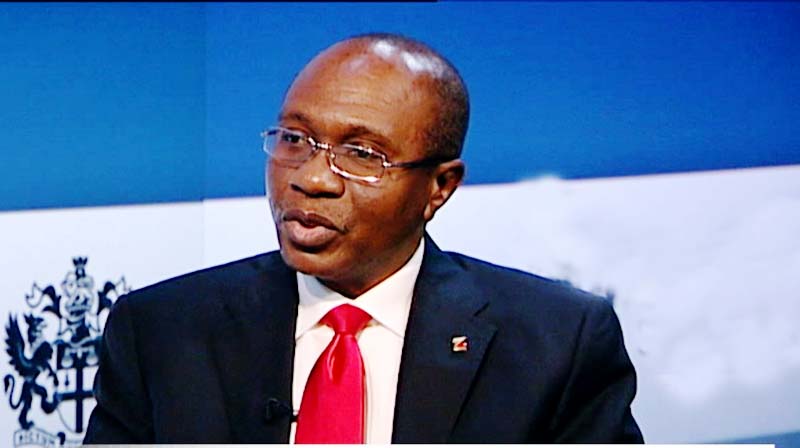
Nigeria’s Central Bank Governor, Godwin Emefiele said on Friday he expected inflation rate to fall at a faster pace and hit high single digit rates mid-next year.
Recall that Nigerian inflation was little changed in September as food prices continued to rise, limiting scope for the CBN to ease policy before the end of the year. The inflation rate decreased to 15.98 percent from 16.01 percent in August.
Speaking on a sideline of an investment conference at the London Stock Exchange, Emefiele said he was very optimistic that food prices would come down and as they come down, would help to complement the reduction in core inflation.
“We are hoping that by the middle of next year we should begin to approach the high single digits,” he said, adding that around nine percent would be a good target.”
While inflation slowed for the eighth consecutive month, it has been outside the central bank’s target range of 6 percent to 9 percent for more than two years even as policy makers raised the key lending rate to a record high of 14 percent.
ALSO SEE: Banks still holding TSA funds, Adeosun insists
A drop last year in the output and price of oil, Nigeria’s biggest export, caused a dollar shortage and led to a weaker naira and increased import prices. This contributed to the economy contracting for five straight quarters before expanding 0.6 percent in the three months through June.
While the inflation rate has decreased, it’s “still high for central bank to loosen policy,” Ayodele Akinwunmi, head of research at Lagos-based FSDH Merchant Bank Ltd. Said by phone from Lagos. “That will probably happen next year as inflation further decelerates.”
Dollar supply has improved since the central bank started easing currency-trade controls, and introduced a window where portfolio investors and importers can buy foreign currency at market-determined rates.
Floods in Benue state last month have kept food prices high, negating some of the benefits of the increased availability of foreign exchange. Food prices rose 20.32 percent from a year earlier, compared with 20.25 percent in August, driven by the costs of potatoes, meat and oils and fats, the statistics office said.
The International Monetary Fund projects Nigeria’s economy to grow by 0.8 percent this year, and 1.9 percent next year from a contraction of 1.6 percent in 2016 and sees inflation staying above target through 2018.











-

 Business1 week ago
Dangote Refinery IPO: 70% Subscription claim meets fourfold demand assertion as investors seek clarity
-

 Featured4 days ago
Inside INEC’s race to prepare for Nigeria’s 2027 elections
-

 Featured4 days ago
2027: APC unveils nationwide campaign timetable, Tinubu to rally in 12 states
-

 Latest7 days ago
UCTH faces morgue crisis as 50 unclaimed corpses await mass burial
-

 Business6 days ago
BREAKING: Nigeria’s Inflation Rate Drops to 14.63% in September
-

 Aviation1 week ago
Germany opens online application route for student, EU Blue Card and other long-stay visas
-

 Business6 days ago
President Tinubu and the Low Transport Fares Fiasco
-
 Business4 days ago
Court dismisses ₦170m Trade Fair contract claim, says Zenith Bank was not a party