
Business
CBN sets N100,000 daily cash-out limit for PoS transactions

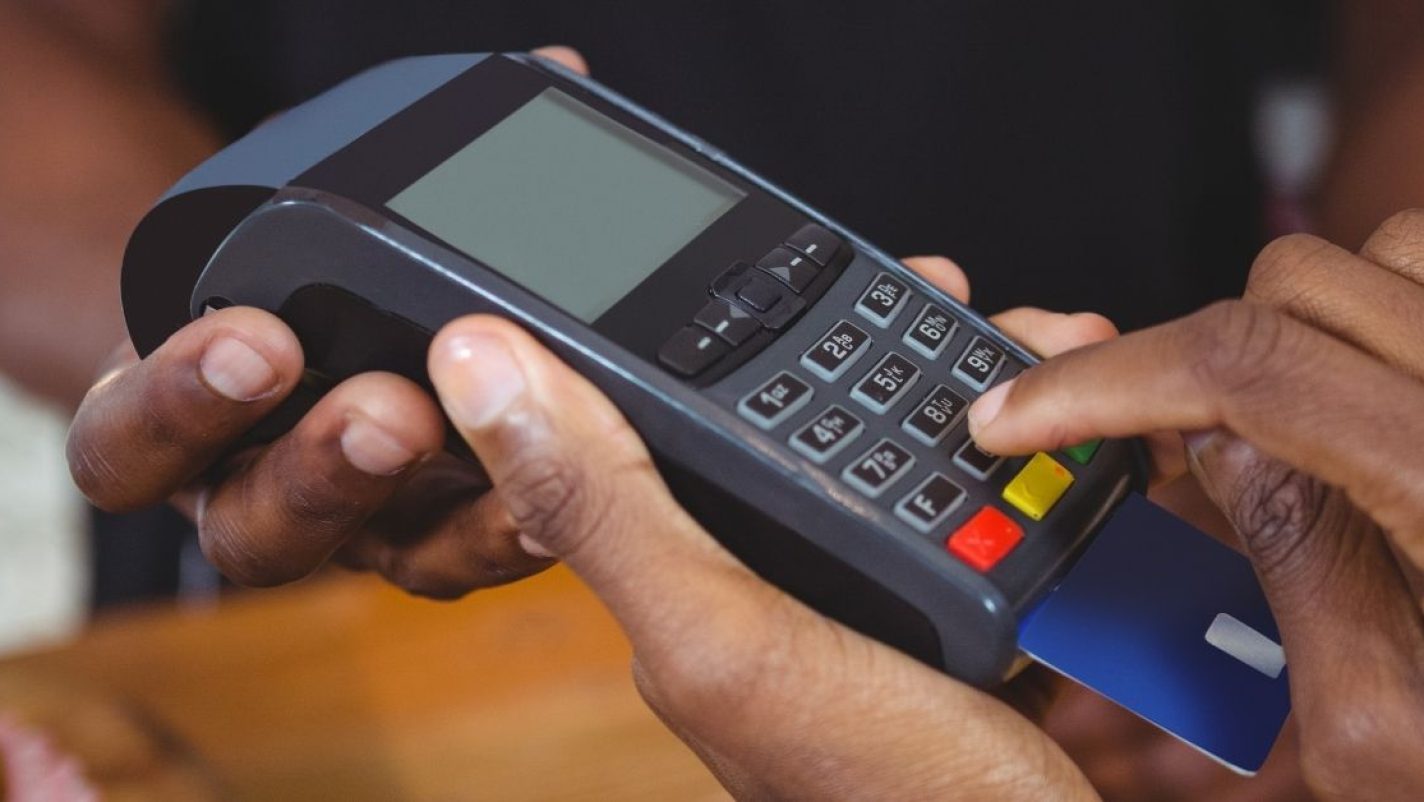
The Central Bank of Nigeria (CBN) has introduced new restrictions on Point of Sale (POS) transactions, setting a daily cash-out limit of N100,000 per customer.
This policy, detailed in a directive issued on December 17, 2024, is part of the apex bank’s strategy to enhance its cashless policy, streamline agency banking, and prevent fraud.
The directive, signed by Oladimeji Yisa Taiwo on behalf of the Director of the Payments System Management Department, was addressed to Deposit Money Banks, Microfinance Banks, Mobile Money Operators, and Superagents.
It outlines stringent operational guidelines for POS agents and emphasizes improved monitoring and accountability across the agent banking ecosystem.
Daily Cash-Out Limit for Customers: POS agents must ensure no customer withdraws more than N100,000 daily, regardless of the transaction channel.
Agent Cumulative Daily Limit: Each agent’s total cash-out transactions are capped at N1,200,000 daily.
Weekly Customer Withdrawal Limit: Customers cannot withdraw more than N500,000 in cash per week.
Clear Separation of Services: POS agents must separate banking services from merchant activities and use the approved Agent Code 6010 for all transactions.
Exclusive Float Accounts: All agent banking operations must be carried out through designated float accounts linked to principal institutions.
READ ALSO: Banks supplying mint naira notes to hawkers will pay N150m fine – CBN
Account Monitoring: Institutions are required to monitor agent accounts tied to Bank Verification Numbers (BVNs) to detect unauthorized banking activities.
Real-Time Transaction Reporting: Agents must connect terminals to the Payments Terminal Service Aggregator (PTSA) and submit daily transaction reports to the Nigerian Inter-Bank Settlement System (NIBSS) using a CBN-approved template.
The CBN emphasized that principals overseeing agent banking operations will be held accountable for any non-compliance. Violators face severe penalties, including monetary fines and administrative sanctions.
The policy is expected to have significant impacts:
For POS Operators: The restrictions could affect operators who rely on high transaction volumes for profitability, particularly in urban areas with high cash demands.
For Customers: The limits may pose challenges for individuals in rural areas with limited access to traditional banking infrastructure. Customers could face delays in meeting urgent cash needs, particularly during the festive season when cash transactions surge.
The policy aligns with the CBN’s ongoing efforts to transition Nigeria toward a cashless economy. By limiting large cash withdrawals, the apex bank aims to encourage the adoption of electronic payment systems while curbing fraudulent activities associated with agent banking.
READ ALSO: Lawmakers urge CBN to address lingering scarcity of naira notes
This move also addresses concerns over the misuse of agent accounts and aims to build a more secure and transparent financial system. The CBN has pledged to conduct periodic oversight, including backend system checks, to enforce compliance and ensure adherence to its cashless policy.
Economic analysts have praised the initiative for prioritizing transparency and fraud prevention but warn that implementation challenges may arise.
“While the policy is necessary to address security risks, the government must ensure that electronic payment systems are accessible and reliable for all Nigerians, especially in underserved regions,” noted a financial consultant.
The CBN has urged stakeholders, including POS operators and financial institutions, to comply with the directive and support efforts to build a robust and cashless financial ecosystem.


-

 Latest3 days ago
US Immigration fees rise from October 16 as USCIS announces new charges
-

 Football7 days ago
How David Beckham made $51.1m from 2026 World Cup, surpassing winners’ prize
-

 Comments and Issues1 week ago
Fani-Kayode on Atiku: Separating claims from the record
-
 Health6 days ago
COVID-19 Hospital care under scrutiny as US Senate hears patient, family testimonies
-

 Business6 days ago
OpenAI shelves GPT-6.1 astra release over safety concerns
-

 Business3 days ago
Nigeria’s $55bn reserves raise fresh questions over naira value
-

 Latest6 days ago
ADC’s 2027 Strategy: Who are the key players and what are their roles?
-

 Latest7 days ago
El-Rufai continued detention revives debate over opposition, detention, political power